
The Quiet Art of Doing Nothing
In a world obsessed with hustle and productivity, choosing stillness is a radical act of self-respect.

When Did Rest Become a Luxury?
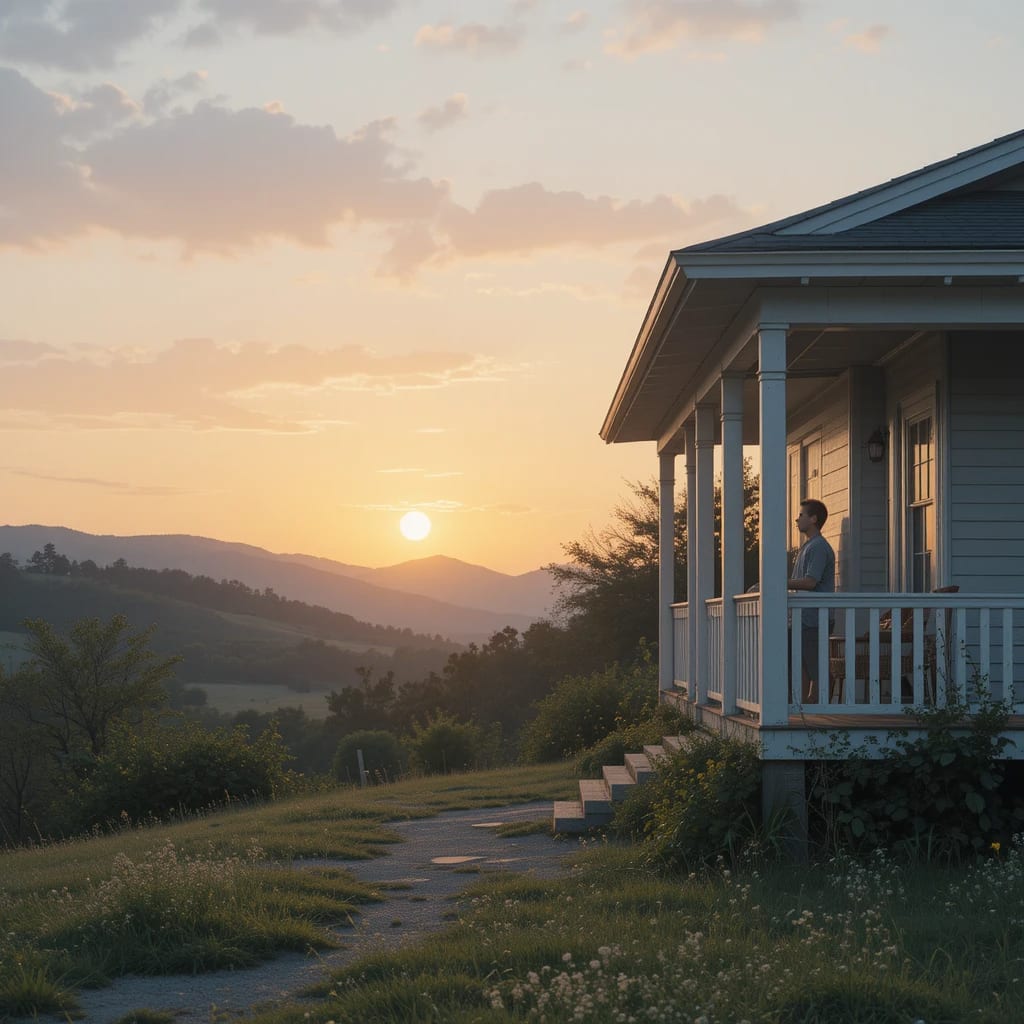
There was a time—not long ago—when people would sit on porches and watch the sun go down. When afternoons were for wandering, and no one expected you to answer emails after 5 p.m. There were pauses between things. Natural ones.
Now, we fill every second.
If there’s a spare moment, we scroll. If there’s silence, we fill it with noise. If we stop moving, even for a breath, we feel guilty—as though stillness is laziness and rest is weakness.
We live in a culture that praises hustle, glorifies burnout, and treats exhaustion like a badge of honor. We’re constantly chasing, proving, performing.
But what if we stopped?
What if we did... nothing?
The Fear of Slowing Down
Doing nothing sounds simple, even luxurious. But it’s terrifying for many of us. Not because we’re lazy, but because we’ve been conditioned to equate stillness with failure.
If we’re not busy, who are we? If we’re not productive, are we still valuable? If we don’t reply instantly, will we be forgotten?
These fears are deeply embedded in a society that measures worth by output. But human beings are not machines. We weren’t built to run 24/7, and we certainly weren’t built to be online constantly.
Sometimes the most revolutionary thing you can do is choose to stop.
What “Nothing” Really Means
Let’s be clear—doing nothing doesn’t mean lying in bed for weeks or giving up on your goals.
It means creating intentional space.
It means giving your nervous system a break, your thoughts room to breathe, your soul time to speak.
Doing nothing can look like:
Sitting in the sun with no phone
Staring at the ceiling without judgment
Drinking tea and watching rain fall
Listening to your breath
Saying “no” without explanation
Letting the to-do list wait
This is not laziness. This is restoration.
And it’s desperately needed.
Nature Knows How to Rest
Look around: nature doesn’t rush.
Trees don’t force their leaves to grow faster. The moon doesn’t hurry through its phases. Winter arrives and the world quiets down.
There is wisdom in that rhythm.
We are part of nature, too—but we’ve forgotten how to honor those cycles. We push ourselves through every season like it’s summer. We expect blooming without rest. We demand harvest without hibernation.
But nature doesn’t bloom all year. Why should we?
The Productivity Trap
Productivity can be satisfying. It gives us a sense of control and purpose. But when it becomes the only measure of success, it turns toxic.
We burn out, feel guilty for resting, and then burn out again—a vicious loop.
Ironically, rest makes us more productive in the long run. Studies show that regular downtime boosts creativity, improves memory, and reduces stress. Our brains need unstructured time to integrate, imagine, and heal.
The best ideas often come when we’re doing the least—taking a shower, walking aimlessly, daydreaming.
Stillness is not the enemy of success. It’s the soil it grows from.
Permission to Pause
If no one’s told you lately, here it is:
You’re allowed to rest. You don’t need to earn it. You don’t need to justify it. You don’t need to apologize for it.
Doing nothing is not a waste of time. It’s a return to yourself.
And sometimes, the best way to find your path forward is to stop trying to chase it.
Learning from Other Cultures
Many cultures value intentional rest:
In Italy, dolce far niente means “the sweetness of doing nothing”—a lifestyle, not a flaw.
In Japan, ma refers to the pause or emptiness that creates meaning in art and life.
In India, stillness is a sacred part of meditation and self-awareness.
Western society often sees rest as weakness. But elsewhere, it's respected as wisdom.
It’s time we relearn that.
The Digital Drain
Much of our fatigue today doesn’t come from physical labor—it comes from mental overstimulation.
We consume more information in a day than people did in a lifetime a century ago. News, ads, notifications, messages—it never ends.
We think we’re relaxing while scrolling, but our brains are still working overtime. There’s no room for boredom. No space between thoughts.
That’s why doing nothing feels uncomfortable—it forces us to confront the stillness we’ve been avoiding.
But on the other side of that discomfort?
Peace.
How to Start Doing Nothing (Without Freaking Out)
If the idea of doing nothing makes you twitchy, start small:
1. Try 5 minutes of silence. Sit, breathe, notice.
2. Take a walk with no destination. No music, no phone. Just walk.
3. Pick one evening a week to unplug. Light a candle. Read. Stare out the window.
4. Say “no” to something that drains you. Even if it’s expected of you.
5. Notice moments of stillness. They're always there, waiting.
The more you practice, the more natural it becomes.
Doing nothing isn’t avoidance—it’s alignment.
Final Thoughts: You Are Not a Machine
You are not a robot. You are not your email inbox. You are not your output.
You are a living, breathing, feeling human being who needs rest—not just to survive, but to thrive.
In a culture that tells you to go, go, go...
Choosing to pause is powerful.
Choosing to breathe is brave.
Choosing stillness is sacred.
So the next time you feel overwhelmed, overbooked, or just plain tired, don’t push through.
Sit down. Close your eyes.
And do... absolutely nothing.
Your body, your mind, your spirit—they’ll thank you.
About the Creator
GoldenTone
GoldenTone is a creative vocal media platform where storytelling and vocal education come together. We explore the power of the human voice — from singing and speaking to expression and technique.
Keep reading
More stories from GoldenTone and writers in Earth and other communities.
We Are Earth, Too
The Illusion of Separation We often talk about Earth like it’s something “out there.” Something we visit on hikes, see in satellite images, or try to protect from a distance. But that language creates a dangerous illusion: that Earth is something other—and we, somehow, are not part of it.
By GoldenTone6 months ago in Earth
Japan Furniture Market Size and Forecast 2025–2033
Introduction Japan’s furniture industry stands at a unique intersection of tradition and innovation. Renowned worldwide for its craftsmanship, minimalist design, and functional aesthetics, Japanese furniture reflects the nation’s cultural emphasis on harmony, efficiency, and simplicity. Today, as Japan’s population becomes increasingly urban, digitally connected, and environmentally conscious, the furniture market is undergoing a quiet but significant transformation.
By Janine Root a day ago in Earth
How Dangerous Is Chernobyl Radiation Today
many people still ask the same question: how dangerous is chernobyl radiation today? The short answer is that the danger still exists, but it is very different from what it was in 1986. Radiation levels have dropped a lot, some areas are safer than others, and strict rules remain in place to protect people and the environment. To understand the real risk today, it is important to look at what happened, what has changed, and what dangers still remain.
By Horizon Dwellers7 days ago in Earth




Comments
There are no comments for this story
Be the first to respond and start the conversation.