
The Pyrolysis Applicability of Common Oil Sludge Types
Pyrolysis Applicability
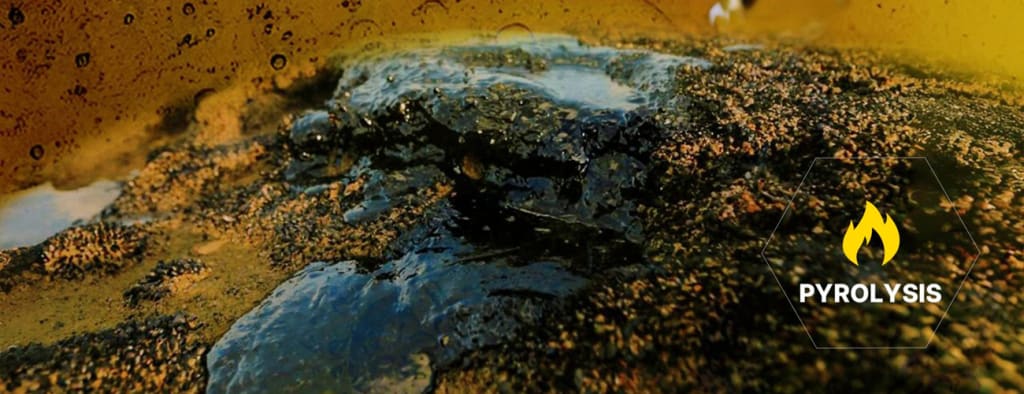
Oil sludge is one of the most persistent forms of industrial waste generated during the exploration, production, transportation, and refining of petroleum. It is a complex mixture of hydrocarbons, water, heavy metals, and solid particles. Improper disposal of oil sludge not only contaminates soil and water resources but also releases harmful gases during decomposition.
As industries move toward greener waste management solutions, oil sludge pyrolysis is gaining global recognition. Compared with landfilling or incineration, pyrolysis offers a cleaner, safer, and more resource-efficient pathway. Modern oil sludge pyrolysis plants can convert hazardous sludge into valuable products, including pyrolysis oil, syngas, and solid residue.
In this article, we will explore the main types of oil sludge, analyze their pyrolysis suitability, and discuss how this technology can contribute to a sustainable future.
What Is Oil Sludge Pyrolysis?
Oil sludge pyrolysis is a thermochemical process in which sludge is heated in the absence of oxygen. Instead of burning, the hydrocarbons are decomposed into useful by-products such as:
- Pyrolysis oil – a liquid fuel or refining feedstock
- Non-condensable gas (syngas) – used as a clean energy source for the oil sludge pyrolysis plant
- Solid residue (ash and carbon) – which may be used in construction or further processed
This process minimizes emissions while maximizing resource recovery.
Common Oil Sludge Types and Their Pyrolysis Applicability
Oil sludge is not uniform; its composition varies depending on its source. Understanding the differences is crucial for selecting the right treatment approach.
1. Tank Bottom Sludge
- Origin: Crude oil storage tanks, where heavy hydrocarbons, wax, and sediments settle over time.
- Characteristics: High hydrocarbon content, sticky texture, relatively low inorganic content.
- Pyrolysis Applicability: Excellent – produces high oil yield and good-quality syngas, making it very suitable for oil sludge pyrolysis plants.
2. Refinery Sludge
- Origin: Wastewater treatment units and oil-water separation systems in refineries.
- Characteristics: Contains oil, water, silt, and significant amounts of heavy metals or chemicals.
- Pyrolysis Applicability: Moderate – while energy recovery is possible, heavy metals may require pre-treatment or residue stabilization.
3. Drilling Sludge (Drill Cuttings)
- Origin: Oil exploration and well-drilling operations.
- Characteristics: Mixture of drilling fluids, clay, sand, and residual hydrocarbons.
- Pyrolysis Applicability: Good – oil yield is lower due to inorganic fractions, but still effective for energy recovery and waste reduction.
4. Oil-Contaminated Soil
- Origin: Spills or leakage during extraction, transportation, and accidents.
- Characteristics: Soil matrix mixed with hydrocarbons at varying concentrations.
- Pyrolysis Applicability: Variable – strongly depends on contamination levels; pretreatment may improve results.
Advantages of Oil Sludge Pyrolysis Plant
Investing in an oil sludge pyrolysis plant brings both environmental and economic benefits:
- Resource recovery – transforms waste into oil, gas, and solid by-products.
- Environmental protection – reduces landfill dependency and prevents groundwater contamination.
- Energy self-sufficiency – syngas powers the pyrolysis reactor, lowering operating costs.
- Sustainability – supports circular economy principles by converting waste into useful resources.
Key Considerations for Successful Oil Sludge Pyrolysis
While pyrolysis is promising, the following factors influence performance:
- Sludge composition – hydrocarbon content directly affects oil yield.
- Moisture content – high water levels may require drying before pyrolysis.
- Heavy metal presence – may require stabilization of solid residues post-treatment.
- Technology choice – batch, semi-continuous, or fully continuous oil sludge pyrolysis plants each offer different levels of efficiency and automation.
The Future of Oil Sludge Pyrolysis
With stricter environmental regulations worldwide, oil sludge pyrolysis is becoming a preferred method of treatment. Advanced pyrolysis technologies are improving efficiency, handling capacity, and safety, making it possible to process large volumes of sludge sustainably.
By classifying oil sludge and applying the right pyrolysis techniques, industries can reduce pollution, cut costs, and recover valuable resources – paving the way toward a cleaner and more sustainable future.
About the Creator
How Does a Wildfire Sprinkler System Work to Protect Homes from Advancing Fires?
Wildfires have become an increasing concern in many regions where dry vegetation, strong winds, and high temperatures create conditions that allow fires to spread quickly. Homeowners in wildfire-prone areas are now turning to proactive protection systems designed to reduce risk and improve property resilience. Among these solutions, wildfire sprinkler systems are gaining attention for their ability to defend structures before flames reach them.
By Brandon Honeyabout 9 hours ago in Earth


Comments
There are no comments for this story
Be the first to respond and start the conversation.