
Potential Applications of Pyrolysis Technology in Ocean Waste Management
Restore the Marine Ecosystem
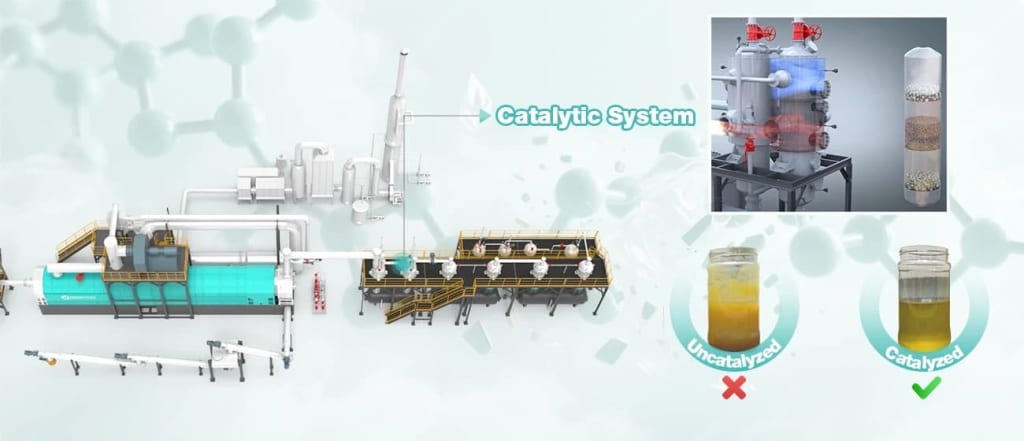
The growing issue of ocean waste has become a global environmental crisis. Millions of tons of plastic and other waste materials end up in the oceans every year, harming marine life, ecosystems, and the health of our planet. Pyrolysis technology, a thermochemical process that can convert waste into valuable products, is emerging as a promising solution to address the issue of ocean waste management.
What Is Pyrolysis Technology?
Pyrolysis is a high-temperature process that decomposes organic materials in the absence of oxygen. It breaks down waste into three main by-products:
- Pyrolysis oil – a liquid fuel that can be used in energy production.
- Carbon black – a valuable material used in various industries like rubber and plastics.
- Syngas – a clean energy gas that can be used to power the pyrolysis system or other operations.
These by-products make pyrolysis an attractive technology for the recycling of ocean waste.
Why Pyrolysis for Ocean Waste Management?
The ocean is overflowing with plastic waste, which is difficult to recycle using traditional methods. The introduction of plastic pyrolysis equipment offers several advantages in managing and treating ocean debris:
1. Conversion of Plastic Waste to Fuel
Plastic waste, which makes up a large portion of ocean debris, is a prime candidate for pyrolysis. Instead of adding to landfill or incinerating plastics, pyrolysis converts them into pyrolysis oil, a renewable fuel source. This fuel can be used for energy generation, reducing the reliance on fossil fuels.
2. Reduction of Pollution
Ocean plastics often break into smaller microplastics, which are harmful to marine life and ecosystems. Pyrolysis technology offers a cleaner solution that minimizes the release of pollutants and harmful emissions. It turns plastic waste into valuable products, effectively reducing its harmful impact on marine environments.
3. Diversification of Waste Treatment Methods
While mechanical recycling has its limitations, pyrolysis offers a versatile method to handle a variety of waste materials, including plastic, rubber, and even textiles. This makes pyrolysis technology a flexible approach to managing different forms of ocean debris.
4. Sustainability and Circular Economy
Pyrolysis promotes sustainability by allowing the recovery of valuable materials from waste, contributing to the circular economy. The by-products from pyrolysis plants can be reused in industries like rubber manufacturing, plastic production, and energy generation, ensuring that ocean waste becomes part of a sustainable cycle.
Benefits of Pyrolysis in Ocean Waste Management
- Energy Recovery: The conversion of plastic waste into pyrolysis oil and syngas allows energy recovery, which can be used to power pyrolysis systems or supply electricity to local communities.
- Resource Recovery: Recycled carbon black from pyrolysis can be used in manufacturing processes, reducing the demand for virgin raw materials.
- Environmentally Friendly: Pyrolysis helps prevent the spread of ocean plastic waste by turning it into useful products, reducing the environmental footprint associated with traditional waste disposal methods.
Challenges and Future Directions
While pyrolysis technology holds great promise for ocean waste management, some challenges remain:
- Initial Investment C: The setup of pyrolysis plants requires significant capital investment, which may deter some regions or companies from adopting the technology.
- Waste Collection and Transportation: Gathering ocean waste from remote areas and transporting it to pyrolysis facilities can be logistically challenging and costly.
However, advancements in technology, government policies, and collaboration between environmental organizations and businesses could help overcome these challenges, making pyrolysis an essential tool in combating ocean waste.
Conclusion
Pyrolysis technology has the potential to revolutionize the way we handle ocean waste. By converting harmful plastic waste into valuable resources, pyrolysis can reduce pollution, recover energy, and support sustainable development. As global efforts to combat ocean pollution intensify, pyrolysis could play a central role in turning ocean debris into a resource rather than a threat.
By embracing pyrolysis, we can unlock the potential of ocean waste and transform it into a vital resource for the future of our planet.
About the Creator
When the Stars Whispered
The Night Sky Like Never Before I had always been fascinated by astronomy, spending countless nights in my backyard with a modest telescope, charting constellations, tracking planets, and occasionally glimpsing distant galaxies as faint smudges of light against the infinite darkness. But on one crisp night in March 2026, something extraordinary occurred that defied both expectation and explanation, a cosmic phenomenon that no scientific journal could easily classify, and yet it felt intimately personal, as if the universe itself were reaching out to communicate. The sky was unusually clear, the stars sharp and luminous like diamonds scattered across black velvet, and the Milky Way stretched overhead in a ribbon of silvery light that seemed to pulse ever so slightly, a rhythm I hadn’t noticed before.
By The Curious Writerabout 22 hours ago in Earth



Comments
There are no comments for this story
Be the first to respond and start the conversation.