
The process of cloning.
Cloning is a scientific process that involves creating an identical copy of an organism, cell, or DNA sequence.

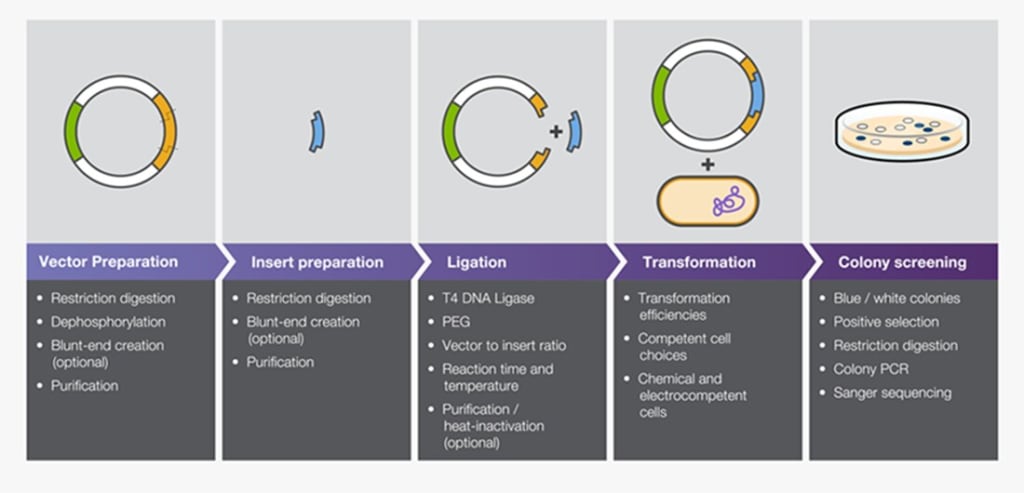
The technique of Cloning has been widely studied in genetics, biotechnology, and medical research, offering potential benefits in medicine, agriculture, and conservation. The most famous example of cloning is Dolly the sheep, the first successfully cloned mammal from an adult somatic cell. The process of cloning can be categorized into three main types: gene cloning, reproductive cloning, and therapeutic cloning.
(I)Types of Cloning
1. Gene Cloning
Gene cloning, also known as molecular cloning, involves making copies of specific genes or DNA sequences. Scientists use this technique to study Genes, produce proteins, or modify genetic traits. The process includes:
- Isolation of DNA – The target gene is extracted from an organism’s DNA.
- Insertion into a Vector – The gene is inserted into a carrier, usually a plasmid (a small circular DNA found in bacteria).
- Introduction into Host Cells – The modified plasmid is introduced into bacteria or yeast cells, which multiply and produce copies of the gene.
- Gene Expression and Extraction – The cloned gene is either used for research or modified to produce useful proteins such as insulin.
Gene cloning is widely used in genetic engineering, medicine, and agriculture to create genetically modified organisms (GMOs) with desirable traits.
2. Reproductive Cloning
Reproductive cloning aims to create an identical copy of an entire organism. This method is primarily used in animal cloning and conservation efforts. The most common technique for reproductive cloning is somatic cell nuclear transfer (SCNT), which involves the following steps:
(II)Steps in Reproductive Cloning (SCNT)
- Donor Cell Extraction – A somatic (body) cell is taken from the organism to be cloned. Somatic cells contain a complete set of DNA.
- Egg Cell Collection – An egg cell is collected from a female of the same species. The nucleus, which contains genetic material, is removed to create an enucleated egg.
- Nuclear Transfer – The nucleus of the donor somatic cell is inserted into the enucleated egg. This means the egg now has the full genetic material of the donor organism.
- Stimulation and Embryo Development – The egg cell is stimulated using electrical or chemical signals to begin cell division, just like a naturally fertilized egg.
- Embryo Implantation – The developing embryo is implanted into a surrogate mother’s uterus, where it grows into a full organism.
- Birth of the Clone – If the process is successful, a genetically identical clone of the donor organism is born.
Example: The first successful use of SCNT in a mammal was Dolly the sheep, cloned in 1996 by scientists at the Roslin Institute in Scotland. Since then, various animals, including cows, cats, and dogs, have been cloned using this method.
3. Therapeutic Cloning
Therapeutic cloning is similar to reproductive cloning but focuses on medical treatments rather than creating entire organisms. The process also uses SCNT, but instead of implanting the embryo into a surrogate mother, the cloned cells are used for medical research or regenerative medicine.
(III)Steps in Therapeutic Cloning
- Creating an Embryo – Using SCNT, an embryo is created from a patient’s somatic cell and an enucleated egg.
- Stem Cell Extraction – After a few days, the embryo develops into a blastocyst (a ball of cells), from which stem cells are extracted.
- Medical Applications – The stem cells are used to develop tissues or organs that can be transplanted into patients without the risk of immune rejection.
Therapeutic cloning has significant potential in treating conditions such as Parkinson’s disease, diabetes, and spinal cord injuries. However, ethical concerns surrounding embryo destruction and cloning technology remain a topic of debate.
(IV)Applications of Cloning
- Medical Advancements – Cloning helps in producing genetically identical organs for transplants and research on genetic disorders.
- Conservation of Endangered Species – Scientists use cloning to preserve species that are at risk of extinction by creating new individuals from existing DNA samples.
- Agriculture – Cloning is used in livestock breeding to create animals with desirable traits, such as disease resistance or high milk production.
- Genetic Research – Cloning allows scientists to study genes and develop treatments for genetic diseases.
(V)Challenges and Ethical Concerns
- Low Success Rate – Cloning techniques, especially SCNT, have a high failure rate. Many embryos fail to develop, and clones often suffer from health problems.
- Ethical Dilemmas – Many people oppose human cloning due to moral and religious beliefs. The destruction of embryos in therapeutic cloning is also controversial.
- Genetic Diversity Reduction – Cloning can lead to a lack of genetic variation, making cloned populations more vulnerable to diseases and environmental changes.
- High Costs – Cloning is expensive and requires advanced technology, making it impractical for widespread use.
(VI)Future of Cloning
As cloning technology continues to advance, researchers are exploring new ways to improve efficiency and ethical considerations. Scientists are also investigating induced pluripotent stem cells (iPSCs), which can mimic embryonic stem cells without using actual embryos. This could provide a more ethical and effective alternative for regenerative medicine.
Conclusion
Cloning is a groundbreaking scientific process with vast potential in medicine, agriculture, and conservation. While gene cloning is widely accepted and used, reproductive and therapeutic cloning remain controversial due to ethical concerns. As technology improves, cloning may become a more practical and ethical tool for solving critical global challenges, from organ transplants to saving endangered species. However, careful regulation and ethical considerations must guide its future development.
About the Creator
Badhan Sen
Myself Badhan, I am a professional writer.I like to share some stories with my friends.
Keep reading
More stories from Badhan Sen and writers in Earth and other communities.
The invention of the airplane.
The invention of the airplane revolutionized transportation, commerce, and shaping the modern world in ways that were previously unimaginable. The journey toward powered flight was marked by centuries of innovation, determination, and scientific discovery, culminating in the success of the Wright brothers in the early 20th century. This essay explores the history, key figures, impact, and legacy of the airplane's invention.
By Badhan Sen12 months ago in Earth
Without Democracy, Donald Trump’s Venezuelan Oil Quest Will Fail
Donald Trump’s renewed interest in Venezuelan oil may seem, on the surface, like a hard-nosed geopolitical calculation. Venezuela holds the world’s largest proven oil reserves, and amid global energy uncertainty, access to those resources is undeniably tempting. But history, economics, and politics all point to the same conclusion: without democratic reform in Venezuela, any attempt by a Trump-led US administration to secure reliable Venezuelan oil will ultimately fail.
By Aarif Lashari7 days ago in Earth
How, Too
Many people wonder how, too. You are not alone, and I am an expert. I will teach you how, too! First, you need to remit a small application fee and fill out an application describing the nature of your financial situation and how often payments will be made, as this will have great bearing on how well I teach you how, too.
By Harper Lewis4 days ago in Fiction



Comments (1)
Cloning is an interesting topic to write about. It does have its good and bad points, and one must make their own decision in this area. Good job.