
The Power of Saying No: How I Learned to Set Boundaries
Why saying no is the key to protecting your time, energy, and well-being

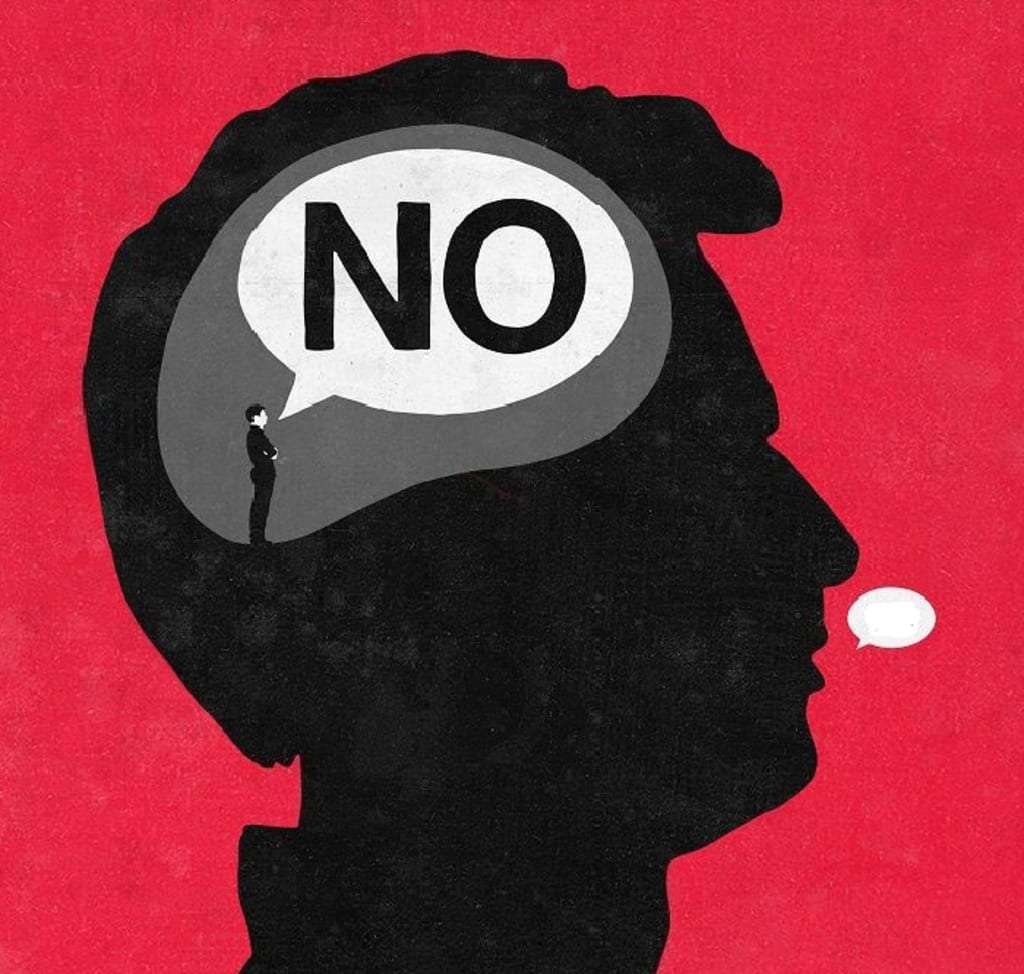
Introduction:
For years, I struggled with saying no. Whether it was at work, in social situations, or with family, I always felt compelled to say yes. I thought that by being helpful and accommodating, I was being a good person. But over time, I began to realize that saying yes all the time was draining me. It left me with little time for myself and led to burnout. This is the story of how I learned that saying no is not only okay—it’s necessary for a healthier, happier life.
1. The Pressure to Please
I’ve always been a people-pleaser. I didn’t want to disappoint anyone or be seen as selfish, so I would say yes to every request, no matter how big or small. Whether it was taking on extra work, attending events I didn’t enjoy, or helping others even when I was already stretched thin, I always felt guilty when I said no. But that guilt soon turned into exhaustion.
2. The Turning Point
It wasn’t until I found myself completely overwhelmed and on the brink of burnout that I realized something needed to change. I was juggling too many responsibilities, and my own well-being was suffering. One evening, I found myself resentfully agreeing to something I didn’t want to do, and that was the moment I decided enough was enough.
3. The Power of No
I started by learning that saying no wasn’t an act of rejection—it was an act of self-preservation. I began saying no to things that didn’t align with my priorities, values, or needs. The first few times felt uncomfortable, but the more I practiced, the easier it became. I realized that by saying no, I was giving myself the space to say yes to the things that truly mattered to me.
4. Setting Clear Boundaries
Saying no also meant setting clearer boundaries in my life. At work, I started being honest about what I could handle. I communicated my limits to colleagues and managers, and I didn’t apologize for taking time for myself. With friends and family, I made it clear when I needed time alone or when I wasn’t able to help. It wasn’t always easy, but it was necessary for my mental and emotional well-being.
5. The Benefits of Saying No
As I started saying no more often, I noticed some surprising benefits. My stress levels decreased, and I had more time for self-care and the activities I truly enjoyed. I found myself being more present in the things I did choose to commit to, and I felt less resentment towards others. Saying no gave me back control of my time and energy.
6. The Myth of People-Pleasing
One of the biggest lessons I’ve learned is that people-pleasing doesn’t lead to genuine connections—it just leads to burnout. When you constantly put others' needs before your own, you lose sight of what’s important to you. Saying no doesn’t make you selfish; it makes you responsible for your own happiness and well-being.
Conclusion:
Learning to say no was one of the most empowering things I’ve ever done. It allowed me to reclaim my time, protect my energy, and focus on the things that truly mattered to me. Saying no isn’t easy, but it’s necessary. By setting boundaries and prioritizing yourself, you can create a life that’s more balanced and fulfilling. Don’t be afraid to say no—sometimes, it’s the best thing you can do for yourself.
About the Creator
Mount Sinai, the World’s Oldest Monastery, and the Prophet’s Letter: Faith, History, and a Controversial Development Plan
At a sacred site revered by Muslims, Christians, and Jews alike, an ambitious modernization project has stirred debate after reports of graves being relocated—raising questions about heritage, memory, and the cost of progress.
By Irshad Abbasi a day ago in Earth



Comments (1)
Good