
The Power of Plants: Unveiling the Benefits of a Plant-Based Diet
Nourish Your Heart: How Plants Promote Cardiovascular Health & Gut Health Matters: Fiber and Your Digestive System

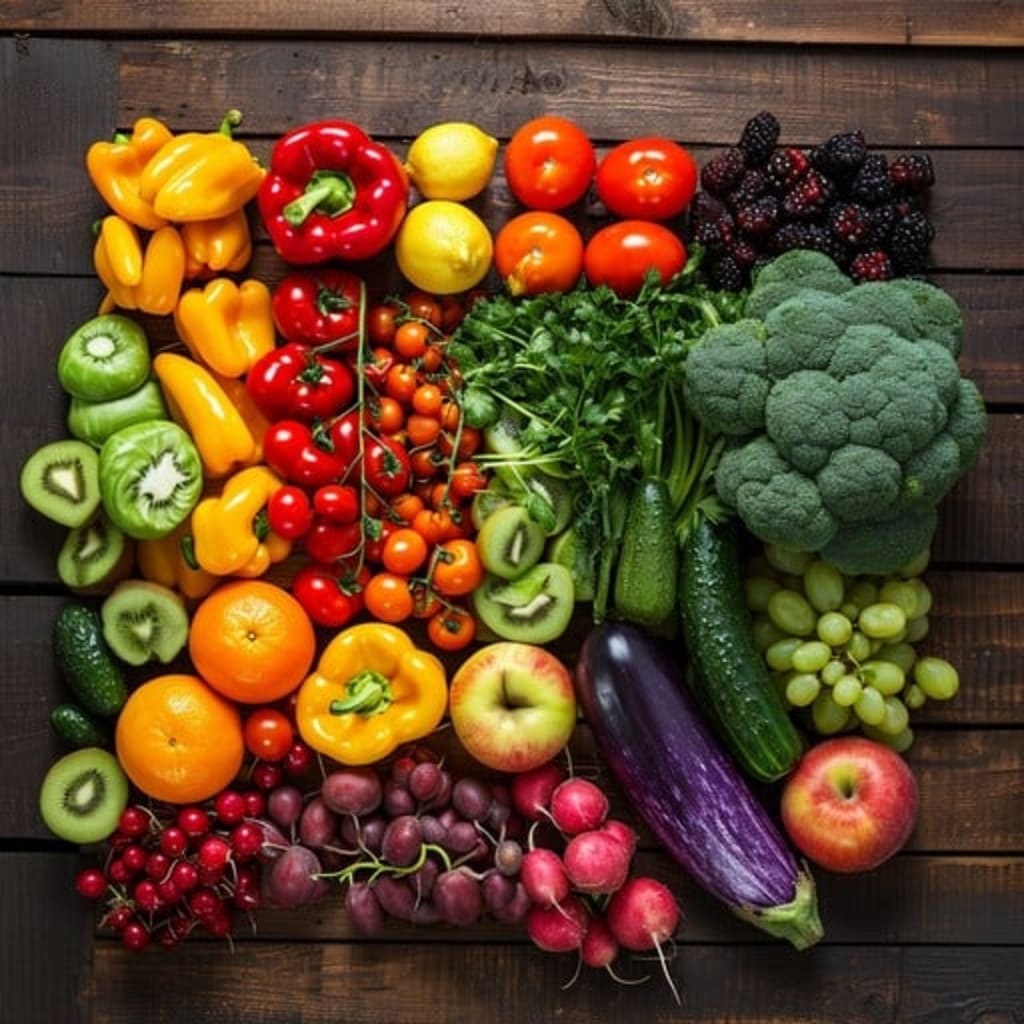
Adopting a plant-based diet has grown in popularity in recent years, driven by health-conscious individuals, environmental advocates, and those seeking a sustainable way to eat. A plant-based diet primarily focuses on whole, unprocessed foods derived from plants, including fruits, vegetables, whole grains, nuts, seeds, and legumes, while minimizing or completely excluding animal products. This dietary choice offers numerous benefits, ranging from improved health outcomes to positive environmental and ethical impacts. Here, we delve into the key advantages of a plant-based lifestyle.
### **1. Improved Heart Health**
One of the most significant benefits of a plant-based diet is its positive impact on heart health. Studies have shown that plant-based diets are associated with lower cholesterol levels, reduced blood pressure, and a decreased risk of heart disease. This is largely due to the diet's emphasis on high-fiber foods like fruits, vegetables, and whole grains, which help lower LDL (bad cholesterol) levels and maintain healthy arteries.
Plant-based foods are also rich in antioxidants and healthy fats, such as those found in nuts, seeds, and avocados, which help reduce inflammation and protect against cardiovascular diseases. By avoiding or minimizing saturated fats found in animal products, plant-based eaters can further support a healthy heart.
### **2. Weight Management and Obesity Prevention**
A plant-based diet can be highly effective for weight management. Plant foods are generally lower in calories and higher in fiber, which promotes feelings of fullness and reduces overeating. Research has shown that individuals following plant-based diets tend to have lower body mass indexes (BMIs) compared to those who consume animal-based diets.
Moreover, plant-based diets help regulate blood sugar levels, reducing the risk of insulin resistance and type 2 diabetes, both of which are often associated with obesity. By incorporating nutrient-dense, low-calorie foods, individuals can maintain a healthy weight while enjoying a variety of delicious meals.
### **3. Reduced Risk of Chronic Diseases**
Beyond heart health, a plant-based diet has been linked to a lower risk of chronic diseases such as type 2 diabetes, cancer, and hypertension. The abundance of vitamins, minerals, and antioxidants in plant foods helps combat oxidative stress, a key contributor to chronic illnesses.
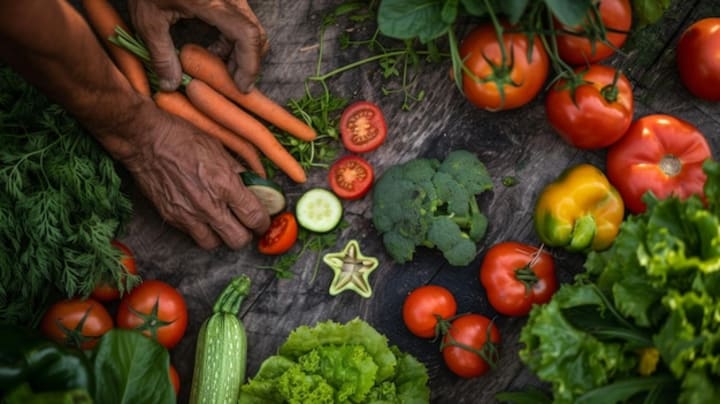
For example, cruciferous vegetables like broccoli, kale, and Brussels sprouts contain compounds that have been shown to reduce the risk of certain cancers. Similarly, legumes and whole grains provide essential nutrients and phytonutrients that support overall health and reduce the risk of chronic disease.
### **4. Enhanced Digestive Health**
Fiber is a cornerstone of a plant-based diet, and it plays a vital role in maintaining a healthy digestive system. Foods rich in fiber, such as fruits, vegetables, legumes, and whole grains, promote regular bowel movements and prevent constipation.
Fiber also acts as a prebiotic, feeding the beneficial bacteria in the gut. A healthy gut microbiome is essential for overall well-being, as it influences digestion, immunity, and even mental health. By prioritizing fiber-rich foods, individuals can improve their digestive health and reduce the risk of gastrointestinal disorders like irritable bowel syndrome (IBS) and diverticulitis.
### **5. Environmental Benefits**
Switching to a plant-based diet is not only beneficial for personal health but also for the planet. The production of plant-based foods requires fewer natural resources, such as water and land, compared to animal agriculture. It also generates fewer greenhouse gas emissions, which contribute to climate change.
For instance, raising livestock for meat and dairy is a leading cause of deforestation, habitat destruction, and water pollution. By choosing plant-based alternatives, individuals can reduce their environmental footprint and contribute to a more sustainable food system.
### **6. Ethical and Animal Welfare Considerations**
Many people adopt a plant-based diet out of concern for animal welfare. The industrial farming of animals often involves inhumane practices, including overcrowded living conditions, restricted movement, and unnatural feeding methods. By choosing plant-based foods, individuals can align their dietary choices with their ethical values and reduce their contribution to animal suffering.
### **7. Enhanced Longevity**
Research has shown that plant-based diets are associated with increased longevity. This is attributed to the diet's ability to reduce the risk of chronic diseases, promote a healthy weight, and support overall well-being. The antioxidants and anti-inflammatory compounds in plant-based foods help protect cells from damage, slowing the aging process and reducing the risk of age-related diseases.
Populations known for their longevity, such as those in the "Blue Zones" (regions with the highest concentrations of centenarians), typically consume predominantly plant-based diets. These communities emphasize whole, plant-based foods like legumes, vegetables, and whole grains, demonstrating the long-term benefits of this dietary approach.
### **8. Improved Energy Levels**
A plant-based diet can boost energy levels and improve overall vitality. The high nutrient density of plant foods provides the body with essential vitamins, minerals, and carbohydrates, which serve as the primary source of energy. Additionally, plant-based diets reduce the consumption of processed foods and added sugars, which can cause energy crashes.
By focusing on whole, unprocessed foods, individuals can maintain stable blood sugar levels and enjoy sustained energy throughout the day.
### **9. Better Skin Health**
Plant-based diets are rich in vitamins A, C, and E, as well as antioxidants, all of which contribute to healthy skin. These nutrients help protect the skin from damage caused by free radicals and promote collagen production, leading to a youthful, radiant complexion.
Hydrating foods like cucumbers, watermelon, and leafy greens also help maintain skin elasticity and prevent dryness. By eliminating dairy and processed foods, which are often linked to acne and other skin issues, individuals can achieve clearer, healthier skin.
### **10. Flexibility and Variety**
Contrary to popular belief, a plant-based diet is not restrictive. It offers a wide variety of foods and flavors, allowing individuals to experiment with different cuisines and ingredients. From hearty grain bowls to flavorful curries and plant-based burgers, the options are endless.
This flexibility makes it easier to adopt and sustain a plant-based lifestyle. Whether someone chooses to go fully vegan or simply incorporates more plant-based meals into their diet, they can enjoy the benefits without feeling deprived.
### **Conclusion**
Adopting a plant-based diet is a powerful way to improve health, protect the environment, and promote ethical practices. Its benefits range from enhanced heart health and weight management to reduced risk of chronic diseases and improved digestive health. Additionally, by choosing plant-based foods, individuals can contribute to a more sustainable and compassionate world.
While transitioning to a plant-based diet may require some adjustment, the rewards are well worth the effort. Whether you're motivated by health, environmental, or ethical reasons, embracing a plant-based lifestyle can lead to a healthier, happier, and more sustainable future. Start small, experiment with new recipes, and enjoy the journey toward better well-being.
About the Creator
Nora Ariana
Empowering through stories and sound igniting purpose, sparking growth, and awakening the power within.
Keep reading
More stories from Nora Ariana and writers in Earth and other communities.
A goal is a dream with a deadline
A goal is a dream with a deadline. This powerful quote reminds us that without action, dreams remain just that wishes floating in our imagination. But when we set a timeline and commit to achieving them, they evolve into goals, bringing clarity, direction, and purpose. Many people go through life holding on to dreams, hoping they will come true someday. But someday is not a day on the calendar. Dreams without structure often fade with time or get buried under the weight of daily responsibilities. Turning a dream into a goal is what separates those who achieve from those who continue to wish.
By Nora ArianaExclusive • 9 months ago
Things you don't know about Africa
Africa: What You Probably Didn’t Know Article No. 1671 Tuesday, 25 February 2020 By Wardah Baloch In terms of land area, Africa is the second-largest continent in the world. It covers nearly 22 percent of the world’s total landmass and about 6 percent of the Earth’s total surface area. Only Asia is larger than Africa in size.
By Sudais Zakwan4 days ago in Earth
USA vs Iran: A Military Mismatch in 2026
Comparing the U.S. and Iranian militaries is not about who would win a fair fight. It's about understanding two completely different ways of thinking about war. By 2026, the gap between their traditional strength will be wider than ever. The U.S. is a global superpower built to fight and win anywhere. Iran is a regional survivor, built to make an invasion so painful that no one would ever try.
By LegacyWords2 days ago in Earth




Comments
There are no comments for this story
Be the first to respond and start the conversation.