
The Polar Bear’s Polite Habit: Nose-to-Nose Sharing
How Polar Bears Use Their Noses to Communicate and Keep the Peace

When you picture a polar bear, you probably imagine a powerful predator roaming the Arctic ice, hunting for seals and enduring freezing temperatures. But beneath this image of strength and survival lies a surprisingly gentle behavior — one that shows how even the fiercest creatures can express courtesy.
Yes, we’re talking about how polar bears touch noses to communicate, especially when it comes to sharing food.
This nose-to-nose gesture is more than just adorable — it’s a strategic and respectful way for polar bears to interact without fighting. In the harsh world of the Arctic, where food is scarce and survival is tough, this simple act speaks volumes.
Arctic Etiquette: The Meaning of a Nose Touch
When one polar bear has caught a meal — usually a seal — and another bear wants to join in, it doesn’t just rush in. Instead, the approaching bear will slowly and calmly walk around the meal, then carefully touch noses with the bear who made the kill.
This gentle nudge isn’t just random behavior. It’s a form of permission-seeking, a way of asking, “May I share?”
If the original hunter doesn’t show aggression or resistance, the two bears will often eat together — a rare example of cooperation in a species known for its solitary nature.
This polite behavior is called “nosing”, and it helps prevent dangerous fights, saving energy and reducing injury. It’s a perfect example of how animal communication doesn’t always involve growls, roars, or dominance — sometimes, it’s as soft as a nudge.
Communication Beyond Sound
Polar bears are generally quiet animals. Unlike wolves or birds, they don’t howl or sing. Their vocalizations are minimal — a few growls, chuffs, and grunts. That’s why body language and physical contact play a vital role in their social interactions.
The nose touch is just one of many non-verbal cues polar bears use. Cubs nuzzle their mothers to seek comfort or milk, and adults may rub heads during mating rituals. But the nose touch during mealtime remains one of the most fascinating behaviors observed by wildlife researchers.
Why Do They Do It?
Scientists believe this behavior developed as an evolutionary adaptation. Hunting in the Arctic takes immense energy, and a fight over food could result in injury or wasted effort. By allowing another bear to share, the hunting bear avoids unnecessary conflict — and may even benefit from the other bear’s help in fending off scavengers or future hunts.
This form of food-sharing, although not common in all bear species, shows a level of social intelligence not always expected from animals considered solitary. It suggests that polar bears understand basic social rules, and that cooperation — even if limited — has value.
The Role of Scarcity and Survival
Food in the Arctic is incredibly scarce. Seals, their main prey, are fast and elusive. The ice is always shifting, and hunting requires skill, timing, and patience. Because of this, polar bears sometimes fast for weeks if they fail to find a meal.
In such extreme conditions, the idea of sharing food might seem counterintuitive. But the risk of losing everything in a fight — especially when the food source is big enough to feed two — makes the polite option more practical.
In this way, the simple nose touch becomes a life-saving gesture. It promotes peaceful coexistence in a brutal environment.
Not Always Friendly
It’s important to note that not all nose touches end with a shared meal. If the original bear feels threatened or isn’t willing to share, it may respond with aggression. Polar bears are still apex predators, and competition remains fierce.
However, the very fact that the nose-touch ritual exists proves that some bears recognize the benefits of peaceful interaction. It’s a gamble — but sometimes, one worth taking.
Final Lesson from the Arctic
In a world where strength often overshadows subtlety, polar bears remind us that power doesn’t always have to be loud. Sometimes, it’s the quietest gesture — a nudge of the nose — that carries the deepest meaning.
This behavior challenges our assumptions about wild animals and highlights the complexity of their social instincts. Even in the coldest, most unforgiving environments, nature finds a way to create moments of connection.
Final Thought
From rhinos with horns made of hair to polar bears communicating with a gentle nose touch, the animal kingdom is full of surprises. What may seem like simple instincts often carry deep meaning — revealing that intelligence and empathy can be found in the most unexpected places.
As we learn more about these creatures, we’re also reminded to look beyond appearances, to question what we think we know, and to appreciate the hidden beauty in animal behavior.
So the next time someone tells you animals are ruled only by instinct, tell them about the polar bear — the mighty Arctic predator that politely asks for permission with a touch of the nose.
About the Creator
Avalanches Kill Five Off-Piste Skiers in the Austrian Alps
The Austrian Alps are often portrayed as a winter paradise — a place of pristine white slopes, thrilling descents, and breathtaking mountain views. Every year, thousands of skiers and snowboarders travel from across the world to experience Austria’s famous alpine resorts. But over the weekend, that dream turned into a nightmare when five off-piste skiers lost their lives in two separate avalanche incidents, once again reminding the world that nature can be as unforgiving as it is beautiful. The deadly avalanches struck the Salzburg region, one of Austria’s most popular winter sports areas, despite clear warnings about dangerous snow conditions. As rescue teams worked tirelessly in freezing temperatures, the tragedy raised serious questions about off-piste skiing, risk awareness, and the limits of human control in extreme environments. What Happened in the Austrian Alps? According to Austrian authorities, the fatal incidents occurred on Saturday in two different locations within the Salzburg Alps. The first and deadliest avalanche struck a group of off-piste skiers in the Gastein Valley. A large mass of snow broke loose on a steep slope, sweeping through the area and burying multiple people. Four skiers were killed, while two others were injured, one of them critically. One person in the group managed to escape without injuries. Roughly 90 minutes earlier, a separate avalanche occurred near Bad Hofgastein, another well-known alpine destination. In that incident, a female skier was buried under snow at an altitude of around 2,200 meters. Despite rapid rescue efforts, she did not survive, bringing the death toll to five. Emergency services responded immediately, deploying multiple rescue helicopters, mountain rescue teams, search dogs, and medical personnel. However, avalanches move with terrifying speed, often leaving rescuers with only minutes to locate victims before survival chances drop dramatically. Avalanche Warnings Were Already in Place One of the most troubling aspects of this tragedy is that avalanche warnings had already been issued across much of the Austrian Alps. In the days leading up to the weekend, heavy snowfall combined with shifting temperatures created unstable snow layers. Avalanche experts warned that conditions were particularly dangerous, especially in ungroomed and off-piste areas. Some regions were placed under high avalanche risk levels, signaling that even experienced skiers could trigger deadly slides. Local mountain rescue officials later emphasized that the danger was well known. They described the incident as a painful reminder that avalanche bulletins are not theoretical — they exist to save lives. The Risk of Off-Piste Skiing Off-piste skiing, sometimes called backcountry skiing, has grown increasingly popular in recent years. Many skiers are drawn to untouched snow, quieter slopes, and the thrill of adventure beyond resort boundaries. But unlike marked ski runs, off-piste terrain is not controlled or secured against avalanches. Ski resorts routinely use explosives and monitoring systems to reduce avalanche risk on official slopes. Outside those boundaries, however, skiers are fully exposed to natural conditions. Snowpack stability can change suddenly due to wind, temperature shifts, or the weight of a single skier. Even with modern equipment like avalanche beacons and airbags, survival is never guaranteed. Once a person is buried, compacted snow can harden quickly, making self-rescue nearly impossible. A Pattern of Tragedy Across the Alps Sadly, this is not an isolated incident. Avalanche fatalities occur every winter across Europe’s mountain regions, and this season has already seen multiple deadly events. Earlier in the week, a 13-year-old boy was killed in an avalanche at another Austrian resort. In separate incidents, skiers have died in Tyrol, Switzerland, and France, all during periods of elevated avalanche risk. Austria alone records an average of around 20 avalanche-related deaths each year, depending on snow conditions and winter tourism levels. Experts warn that climate change may further complicate the issue by creating more unpredictable weather patterns and unstable snowpacks. Rescue Efforts and Emotional Toll Mountain rescue teams are highly trained and deeply committed, but avalanches remain one of the most challenging emergencies they face. In the Salzburg incidents, rescuers worked under intense pressure, racing against time and extreme weather. Beyond the physical danger, such events take an enormous emotional toll on rescuers, local communities, and families of the victims. Alpine towns rely heavily on tourism, and tragedies like this cast a long shadow over what should be a joyful winter season. Authorities have expressed condolences while also urging visitors to reflect seriously on the risks involved in off-piste activities. What Can Be Learned from This Tragedy? While no lesson can undo the loss of five lives, experts consistently highlight several key points: Respect avalanche warnings and bulletins These alerts are based on scientific analysis and real-time data, not guesswork. Understand that experience does not equal immunity Even skilled skiers can misjudge conditions. Stick to groomed slopes during high-risk periods Official ski runs are actively monitored and controlled. Avoid peer pressure and “powder fever” The desire for untouched snow can cloud judgment. Ultimately, the mountains will always involve risk — but informed decisions can mean the difference between life and death. A Sobering Reminder from the Mountains The Austrian Alps remain one of the world’s most spectacular winter destinations. Yet, as this heartbreaking weekend shows, they demand humility and respect. Nature does not negotiate, and it does not forgive recklessness. As investigations continue and families mourn their loved ones, the tragedy serves as a sobering reminder: adventure should never come at the cost of ignoring clear danger. For skiers and snowboarders everywhere, the message is painfully clear — no descent is worth a life.
By Muhammad Hassan11 minutes ago in Earth
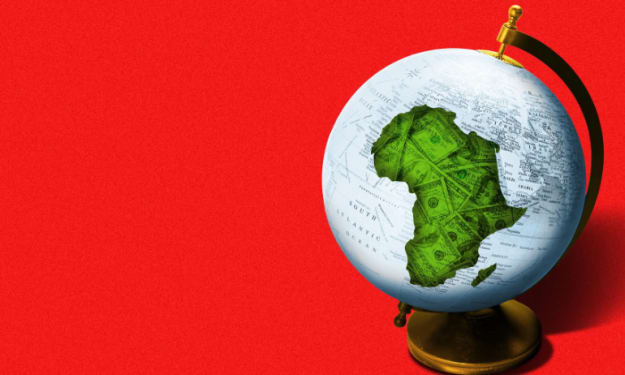
Inside Trump's $11 Billion Health Plan to Replace “Neo-Colonial” USAID
In the landscape of global health aid, few proposals have stirred as much debate as former President Donald Trump’s ambitious plan to restructure American assistance abroad. Dubbed an $11 billion health initiative aimed at replacing USAID’s current framework, the plan seeks to pivot away from what Trump and his allies have criticized as the “neo-colonial” approach of U.S. foreign aid. While the plan promises greater efficiency and impact, experts are split on whether it is a practical solution or a politically driven gamble. Trump’s Critique of USAID The United States Agency for International Development (USAID) has long been a central pillar of American foreign assistance, distributing billions in aid annually to address health crises, food insecurity, and development challenges worldwide. However, Trump’s administration and its supporters have often described USAID’s approach as bureaucratic, inefficient, and reflective of a “neo-colonial” mindset. In public statements, Trump argued that the U.S. was spending taxpayer dollars on programs that benefited foreign governments or contractors more than the intended local communities. Critics of the plan say that while USAID has flaws—as any large bureaucracy does—its extensive networks and decades of experience provide an unmatched capacity to deliver aid efficiently and safely. The Core of the $11 Billion Proposal At the heart of Trump’s proposal is an $11 billion fund designed to consolidate, modernize, and streamline U.S. health aid. Unlike the traditional USAID model, which relies heavily on long-term partnerships with governments and NGOs, the new plan emphasizes: Direct Impact Funding: Allocating resources to frontline health workers and local initiatives rather than intermediaries. Data-Driven Investments: Using real-time health data to target outbreaks and crises more efficiently. Private Sector Partnerships: Leveraging U.S. pharmaceutical companies, tech firms, and healthcare startups to deliver vaccines, treatments, and medical infrastructure. Shorter Program Cycles: Moving away from multi-year funding commitments in favor of more flexible, results-oriented programs. Proponents argue that this approach could reduce bureaucratic overhead and ensure U.S. aid reaches communities faster. By “cutting out the middlemen,” Trump supporters claim, America can avoid the pitfalls of slow-moving aid programs that sometimes fail to adapt to crises. Reactions from the Global Health Community Global health experts, however, have expressed concern about both the logistics and philosophy of the plan. Dr. Melissa Ortega, a senior researcher at the Global Health Policy Institute, explained, “The idea of bypassing established structures like USAID may sound appealing on paper, but in practice, it risks undermining decades of institutional knowledge. Health systems are complex, and short-term projects cannot replace long-term capacity building.” Some critics have also questioned the characterization of USAID as “neo-colonial.” While U.S. foreign aid has historically been tied to geopolitical interests, many programs today are designed collaboratively with recipient countries and local organizations. Reducing oversight could unintentionally increase the risk of misuse, corruption, or health inequities. On the other hand, supporters of Trump’s plan point to examples of inefficiency in USAID programs, citing cases where aid was delayed or mismanaged. By introducing more direct funding models, they argue, U.S. taxpayer dollars could achieve a higher “return on health outcomes.” Political Implications Trump’s health aid overhaul proposal is not just about international development—it is also deeply political. Framing USAID as a “neo-colonial” institution resonates with a populist narrative that America should prioritize its own citizens and assert greater control over how taxpayer money is spent abroad. Domestically, the $11 billion plan faces scrutiny from Congress. Lawmakers from both parties have questioned whether dismantling USAID’s systems could destabilize ongoing health programs in countries where the U.S. has long-term commitments. The potential impact on global health security—including the fight against pandemics like COVID-19—adds another layer of concern. Internationally, U.S. allies and partner nations are watching closely. Sudden shifts in aid delivery could disrupt health programs in low- and middle-income countries, many of which rely on predictable funding cycles to maintain vaccination campaigns, maternal health services, and disease surveillance. Possible Benefits and Risks If executed carefully, the Trump-backed model could bring several benefits: Faster Response Times: Direct funding could accelerate delivery of vaccines, treatments, and emergency support. Innovation Boost: By partnering with private sector companies, the plan could accelerate development of new health technologies. Accountability: With performance-based metrics, the plan may better measure the impact of U.S. aid. However, the risks are equally significant: Disruption of Existing Programs: Abrupt changes could destabilize ongoing health projects. Loss of Expertise: USAID’s decades of experience in navigating local governance, supply chains, and community engagement may be hard to replace. Geopolitical Fallout: Allies accustomed to collaborating with USAID might see the move as destabilizing, reducing cooperation on global health initiatives. Looking Ahead As Trump and his allies continue to advocate for this $11 billion overhaul, the debate over the future of U.S. health aid is intensifying. Proponents view it as a necessary modernization of an outdated system, while critics fear it could undercut decades of carefully built infrastructure and global partnerships. Ultimately, the success of this plan will hinge on its ability to balance efficiency with stability, innovation with oversight, and political objectives with humanitarian needs. For now, the proposal remains controversial, representing a dramatic departure from traditional approaches to U.S. foreign aid. Whether it will reshape global health for the better—or simply create more uncertainty—remains to be seen. In the end, the Trump health plan is as much about ideology as it is about dollars. It challenges the conventional wisdom of international development and asks whether a more streamlined, results-focused approach can truly replace a system built over decades. As the world watches, the stakes could not be higher: the future of U.S. global health aid—and the lives it touches—hangs in the balance.
By Muhammad Hassan4 days ago in Earth



Comments
There are no comments for this story
Be the first to respond and start the conversation.