
The Pleadies and Orion: Mythology, The Bible and History agree on their brilliance
These works of creation are celebrated in many ways.


Pleides: The Seven Star Cluster
The Pleiades is a 7-star cluster in the heavens and is one of the most noticeable of all the star patterns. Without magnifying equipment, this cluster looks like a tiny, misty dipper of six little stars. The Pleiades are sometimes referred to as the Seven Sisters because, in Greek mythology, the Pleiades were the seven daughters of Atlas and Pleione.
Who remembers learning mythology in junior high, now called middle school? Atlas was the Titan who held up the sky, and Pleione protected those sailing the ocean. The seven sisters were Electra, Merope, Asterope, Maia, Celaeno, Alcyone, and Taygetus. They were sometimes said to be nymphs who were on Artemis's train.
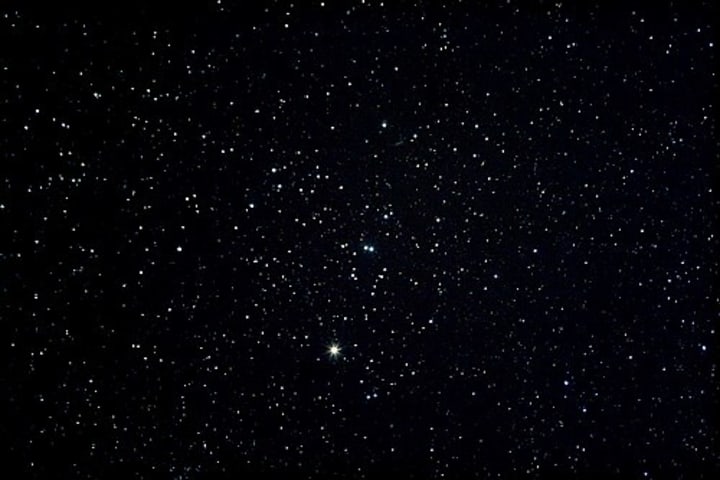
The Seven Hyades
The Pleiades were also said to be half-sisters of the seven Hyades, which pattern another star cluster located near the Pleiades stars. Modern-day astronomy views the Pleiades quite differently. Astronomers say this cluster of several hundred stars condensed from a cloud of gas and dust around 100 million years ago.
The Pleiades are nearly 400 light-years away. This indicates that the cluster of stars must be extremely bright to see their light across such a vast span of space. Astronomers believe these stars are hundreds of times more luminous than our sun. Some people see seven or eight stars in this cluster with the unaided eye.

Orion in the night sky
Myths and legends are rich with detail. A Polynesian legend indicates that the Pleiades once were a single star, and it was the brightest in the sky. This star bragged about its beauty, drawing the ire of the Polynesian god Tane. Legend says Tane smashed the star into pieces, which is how the Pleiades star cluster was formed.
The three stars in Spain and other Latin nations are called Las tres Marias, the three Marys. The Lakota Native Americans call Orion's belt Tayamnicankhu, the spine of a bison. The huge rectangle of Orion is the bison's ribs.
Legends
The star cluster, the Pleiades, is the bison's head. Sirius in Canis Major, known as Tayamnisinte, is its tail. The Chippewa Native Americans call this constellation Kabibona'kan, the Winter Maker. This is because its presence in the night sky signals the coming of the cold weather months.
You may be familiar with the film distribution company Orion Pictures which made movies from 1979-1999 and used the constellation as its logo. The Babylonians called Orion the chief shepherd in the sky or the god Anu. In ancient Egypt, the stars of Orion were known as the god Sah. The Armenians associated the constellation with their god Hyak.
The Bible speaks
These constellations are mentioned in scripture. Job 9:9 "He is the Maker of the Bear and Orion", Job 38:31 "Can you loosen Orion's belt?", and Amos 5:8 "He who made the Pleiades and Orion".
These scriptures indicate that there is One above all created things, and He is the One who created them. The Lord made it clear to Job and Israel through the prophet Amos that He alone has the power to create and that He is above His creation.
Some believe these wonders in the night sky came from a big bang. Others say they were created by the Master's hand and did not form on their own.
.Michael W Smith sings about the Creator being above all power, above all kings, above all nations, kingdoms, thrones, and created things in his song Above All. History, Mythology, and the Bible agree on the magnificence of these constellations. However, they were formed, they are a brilliant sight.
About the Creator
Cheryl E Preston
Cheryl enjoys writing about current events, soap spoilers and baby boomer nostalgia. Tips are greatly appreciated.
Keep reading
More stories from Cheryl E Preston and writers in Earth and other communities.
Croton Bush Plant Can Help You Sleep and more
Croton bush plants: An amazing sight to behold If you desire cleaner air in your home, a good night's sleep and something bright and beautiful to look at you might want to invest in a Croton bush house plant. Many house plants are said to be beneficial in cleansing indoor air and the Croton is one of them. The first time I paid attention to a Croton I was amazed at the rainbow of colors in the bright foliage. I was walking towards a local Kroger store and there were eight or ten of the plants in pots sitting in the front of the doors. They were $19.99 each and I considered purchasing one or two at some point.
By Cheryl E Preston4 years ago in Earth
Police Warn Against ‘Ridiculous’ Parking at Beauty Spot Amid Snow Disruption
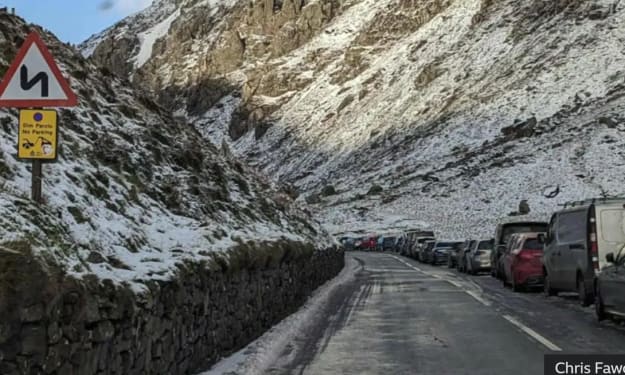
Heavy snowfall may transform beauty spots into winter wonderlands, but it also brings serious risks when visitors ignore basic safety and parking rules. Police have issued a strong warning against what they describe as “ridiculous” parking at a popular beauty spot, after snow disruption led to blocked roads, stranded vehicles, and delayed emergency access. As wintry conditions continue to affect travel, authorities are urging the public to prioritise safety over scenic photographs, reminding drivers that poor parking decisions can have life-threatening consequences during severe weather. Snowfall Turns Scenic into Hazardous The recent spell of snow attracted large numbers of visitors eager to enjoy picturesque landscapes blanketed in white. Hillsides, national parks, and rural viewpoints quickly became hotspots for walkers, families, and amateur photographers. However, police say the surge in visitors coincided with widespread parking chaos. Cars were left abandoned on narrow roads, grass verges, gateways, and even blocking access routes meant for emergency vehicles and local residents. What may appear to drivers as a harmless decision to “park for just a few minutes” can quickly escalate into a major safety issue—especially when snow and ice reduce road space and visibility. Police Response and Public Warning Local police forces have taken to social media and public statements to express frustration at the situation. Officers described some parking behaviour as not only irresponsible but dangerous, particularly given the weather conditions. Police warned that emergency vehicles, including ambulances and mountain rescue teams, were struggling to reach areas due to blocked roads. In severe weather, response times are already under pressure, and illegally parked vehicles can mean the difference between life and death. Authorities have also made it clear that enforcement action will be taken where necessary. Drivers risk fines, towing, and penalty points if their vehicles obstruct roads or endanger others. Impact on Emergency Services One of the most serious consequences of poor parking during snow disruption is its impact on emergency services. Narrow rural roads, already difficult to navigate in icy conditions, become completely impassable when cars are parked irresponsibly. Fire crews, paramedics, and rescue teams rely on clear access routes, particularly in popular beauty spots where accidents such as slips, falls, or stranded walkers are more likely in winter conditions. Police stressed that emergency vehicles do not have the luxury of “finding another way around” when roads are blocked. Delays caused by inconsiderate parking put both responders and the public at risk. Local Residents Left Frustrated It is not only emergency services that are affected. Residents living near popular beauty spots often bear the brunt of snow-related disruption. Driveways are blocked, access to homes becomes difficult, and essential journeys for work, medical appointments, or supplies are delayed. Many locals report feeling ignored by visitors who treat rural communities like seasonal attractions rather than lived-in areas. During winter weather, this frustration is magnified, as residents may already be dealing with power outages, poor road conditions, and limited access to services. Police have echoed these concerns, reminding visitors that beauty spots are often surrounded by working communities, not just open spaces for leisure. Why Snow Makes Parking More Dangerous Snow significantly reduces road safety margins. It narrows carriageways, hides road markings, and makes verges unstable. A car parked partly on a road might seem manageable in normal conditions, but in snow it can create blind corners, force vehicles into oncoming traffic, or cause skidding accidents. Additionally, snowploughs and gritters require space to operate effectively. Poorly parked vehicles can prevent these essential services from clearing roads, prolonging disruption for everyone. Authorities warn that even experienced drivers can underestimate how quickly conditions can change in winter weather. Social Media and the “Snow Day” Effect Police have also pointed to social media as a contributing factor. Viral images of snow-covered landscapes often encourage spontaneous trips without proper planning. People see beautiful photos and head out without considering parking availability, road conditions, or weather warnings. This “snow day” mentality can overwhelm rural infrastructure not designed for large volumes of traffic, particularly during adverse weather. Police urge visitors to check local advice before travelling and to be prepared to turn back if conditions are unsafe. Advice for Safe Winter Visits In response to the ongoing disruption, authorities have shared clear guidance for anyone planning to visit beauty spots during snowy conditions: Avoid unnecessary travel during severe weather warnings Park only in designated areas, never on roads or verges Do not block gateways, tracks, or emergency access routes Check weather and road conditions before setting off Be prepared to leave if parking is unavailable Police emphasise that no photograph or short walk is worth risking lives or causing serious disruption. Enforcement and Accountability While officers prefer to rely on public cooperation, they have confirmed that enforcement will be stepped up if irresponsible behaviour continues. Vehicles may be ticketed or removed, particularly if they pose a danger or obstruction. Authorities stress that enforcement is not about spoiling enjoyment but about ensuring public safety. Winter conditions demand higher levels of responsibility from drivers, not less. A Shared Responsibility Snow transforms landscapes, but it also tests public behaviour. Police warnings against “ridiculous” parking are not just expressions of frustration—they are urgent reminders that safety must come first. Enjoying nature is a privilege, not a right, especially during extreme weather. By parking responsibly and respecting local communities, visitors can help ensure that beauty spots remain accessible, emergency services remain effective, and winter days do not turn into preventable disasters. As snow disruption continues, the message from police is clear: think before you park, or don’t park at all
By Muhammad Hassanabout 20 hours ago in Earth
How Wind Energy Works: A Closer Look with Stanislav Kondrashov
As the world pushes further into the 21st century, the demand for sustainable and clean sources of energy has never been greater. At the heart of this shift is wind energy—a technology as old as the first sailboat, yet as modern as the towering turbines dotting coastlines and countrysides. Stanislav Kondrashov, an independent energy researcher and commentator, has long studied the mechanics and potential of wind power. His insights help demystify what’s often seen as a complex system driven by forces we can’t see.
By Stanislav Kondrashov 3 days ago in Earth
The steps to losing a child
Step One: Lose a child. Not what anyone wants to happen and nothing you can do to change it, but you can go through steps to becoming happy again. You can go through steps to loving again. You can go through steps to become a new you because after losing a child you will never be the same person you once were.
By Tabitha Hinkley3 days ago in Fiction



Comments
There are no comments for this story
Be the first to respond and start the conversation.