
The Physical Challenge of the Lares Trek to Machu Picchu: Is It Right for You?
Is the Lares Trek to Machu Picchu Physically Demanding? Here's What You Need to Know

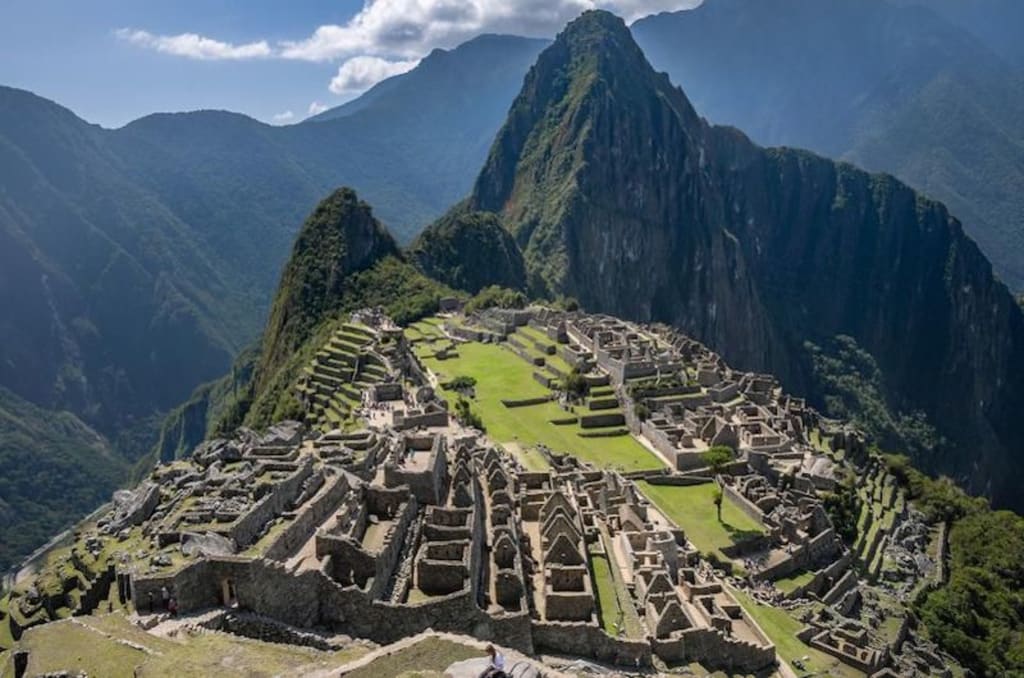
The Lares Trek to Machu Picchu is one of the most rewarding treks in Peru, offering stunning views, rich culture, and a chance to see the famous Machu Picchu from a less crowded route. However, like any trek in the Andes, it presents a physical challenge. In this article, we’ll break down what you can expect physically during the Lares Trek to Machu Picchu, so you can decide if it’s the right hike for you.
1. Understanding the Lares Trek to Machu Picchu
The Lares Trek is a popular alternative to the Inca Trail, offering trekkers a chance to explore the Peruvian Andes while avoiding the crowds. The trek is usually completed in 4 days and takes you through remote villages, beautiful mountain landscapes, and a rich variety of wildlife. You’ll also be hiking at high altitudes, which is a major factor in how physically demanding the trek can be.
2. The Terrain: What to Expect
The Lares Trek is not a flat hike. The terrain varies, and you’ll be walking on rocky, uneven paths, through valleys, and over steep mountain passes. The trek reaches altitudes of up to 4,500 meters (14,764 feet) above sea level, so be prepared for some uphill climbs and steep descents. Here’s what you can expect:
- Day 1: The first day is relatively easy, with a gentle climb to help your body adjust to the altitude. You’ll pass through small villages and rural farmland, with some moderate uphill sections.
- Day 2: This is the toughest day. You’ll trek over a mountain pass that is over 4,000 meters (13,123 feet) high. The steepness and the altitude can make this day challenging, especially if you’re not used to hiking in the mountains.
- Day 3: After the difficult second day, the third day is a bit easier, with a steady downhill walk that takes you through more villages and closer to the train station where you will head to Aguas Calientes for the final leg of your journey to Machu Picchu.
- Day 4: On the final day, you will take the train from Aguas Calientes to Machu Picchu, where you’ll get to explore the famous ruins.
3. Altitude: A Major Challenge
One of the biggest physical challenges of the Lares Trek is the altitude. Starting at around 2,900 meters (9,514 feet) and reaching 4,500 meters (14,764 feet), the air contains less oxygen, which can make breathing more difficult, especially if you're not accustomed to high altitudes.
Many trekkers feel the effects of altitude sickness, which can include headaches, dizziness, nausea, and shortness of breath. To reduce the risk, it’s important to take time to acclimatize before starting the trek. If possible, spend a few days in Cusco or Sacred Valley before your trek to allow your body to adjust.
4. Physical Fitness: Preparing for the Trek
While the Lares Trek to Machu Picchu is not the most difficult trek in Peru, it still requires a good level of physical fitness. Here are some tips to help you prepare:
- Cardio Fitness: You don’t need to be a marathon runner, but having a good level of endurance will help you manage the long days of walking. Hiking, running, swimming, or cycling are all great ways to improve your cardio fitness.
- Strength and Stamina: The trek includes steep uphill sections, so working on your leg strength will be beneficial. Squats, lunges, and uphill walking can help build the muscles you need for the trek.
- Walking with a Backpack: You’ll be carrying a day pack with water, snacks, and other essentials. Try to practice walking with a backpack to get used to the weight and movement.
- Stair Climbing: The trek involves plenty of climbing, so doing stairs or hill walking will help prepare your muscles for the steep sections.
5. The Impact of Weather
The weather can also affect the difficulty of the Lares Trek. The trek can be done year-round, but the rainy season, from November to March, brings heavy rainfall and muddy conditions that can make the paths more slippery and challenging. If you’re trekking during the rainy season, it’s important to have the right gear, like waterproof boots and a rain poncho.
The dry season, from May to October, typically offers clear skies, but temperatures can drop significantly at night, especially at higher altitudes. Be prepared with layers of clothing to keep warm after a long day of trekking.
6. Mental Toughness: Staying Motivated
While the Lares Trek is physically demanding, it’s also important to have the right mindset. The trek can be tough, especially on the second day, but the stunning views and the sense of achievement when you reach the pass or the end of the trek will make it all worth it.
Remember to take it slow, listen to your body, and drink plenty of water to stay hydrated. Trekking with a group or a guide can also provide support and motivation along the way.
7. Is the Lares Trek Right for You?
The Lares Trek to Machu Picchu is a great option if you’re looking for an alternative to the more crowded Inca Trail, but it does require a reasonable level of fitness and stamina. The trek is challenging due to the altitude, terrain, and length, but it’s accessible to most people who are in good health and prepared for the physical demands.
If you enjoy hiking and are prepared for the challenge, the Lares Trek offers an unforgettable experience with beautiful scenery, cultural encounters, and the chance to visit Machu Picchu without the crowds. However, if you have concerns about altitude or physical limitations, it might be helpful to consult with a doctor before committing to the trek.
Conclusion
The Lares Trek to Machu Picchu is a rewarding adventure that combines breathtaking scenery, cultural experiences, and the opportunity to explore one of the world’s most famous archaeological sites. While it presents a physical challenge, with proper preparation, fitness, and acclimatization, it’s a trek that most people can handle. If you’re ready for the adventure, the Lares Trek to Machu Picchu could be the perfect hike for you!
About the Creator
Happygringo Tours
Happy Gringo Tours offers the ultimate Machu Picchu Day Trip from Cusco, including round-trip Vistadome train, Aguas Calientes accommodation, and shuttle bus tickets straight to the citadel gates.
Keep reading
More stories from Happygringo Tours and writers in Earth and other communities.
Your Comprehensive Guide to the Lares Trek to Machu Picchu
For those seeking a unique adventure through the Andes, the Lares Trek to Machu Picchu offers an incredible journey that combines breathtaking scenery, vibrant culture, and the stunning Inca ruins. Unlike the more popular Inca Trail, the Lares Trek takes travelers on a quieter, less-crowded route, passing through remote villages, shimmering lakes, and high mountain passes. This trek provides a special look into traditional Andean life, making it a memorable experience for anyone interested in exploring Peru’s rich heritage. Here’s a simple guide to help you plan your Lares Trek to Machu Picchu.
By Happygringo Toursabout a year ago in Earth
Workers Recover 15,000 Crabs After Lorry Crashes Into Field
An extraordinary scene unfolded when a lorry carrying an estimated 15,000 live crabs crashed into a field, spilling its cargo across farmland and prompting a large-scale recovery effort. The unusual accident quickly drew attention from local residents, emergency services, and animal welfare groups, as workers scrambled to rescue as many crabs as possible before they succumbed to exposure.
By Aarif Lashari6 days ago in Earth
FPS: Roots and Branches Challenge Winners
The FPS: Roots and Branches Challenge has wrapped up, and gaming enthusiasts around the world are celebrating the winners of this exciting and competitive event. From showcasing incredible skill to creative problem-solving, participants pushed their limits, making the challenge a true testament to the evolving world of first-person shooter (FPS) games.
By Aarif Lashariabout 9 hours ago in Earth



Comments
There are no comments for this story
Be the first to respond and start the conversation.