
The Pearl of the Yellow River comes out of Shanxi and Shaanxi
Explore the earth


Yellow River,
Running all the way from the Qinghai-Tibet Plateau
Travel thousands of miles
How many rivers and streams converge?
How many ditches have you jumped?
What kind of wind, frost, snow and rain
How many difficulties and obstacles have been overcome
Desperate until it falls into the sea.
Yellow River,
How many Chinese children have you raised?
Condensed into a majestic force
Live on for thousands of years
Melted into a great national spirit.
Take a big turn in the Yellow River
In the process of the formation and growth of the Yellow River civilization, the people of all ethnic groups along the Yellow River have created, enriched and developed colorful arts, which have played an irreplaceable role in the cohesion of the national spirit. it has become the common spiritual wealth of the sons and daughters of the Yellow River and even the sons and daughters of China.
Thousands of miles of the Yellow River produces and owns countless literary works, which can be described as a river of stars. I intercepted one section, that is, the Yellow River in the Shanxi-Shaanxi Gorge, to see how many outstanding works of art and how many outstanding literary and artistic masters have emerged along this section of the Yellow River from ancient times to the present. I am from the Jin Dynasty, and the list is mainly on the Shanxi side of the east bank of the Yellow River.
Trail the Yangtze River
First of all, I would like to talk about a related topic, how to understand the similarities and differences between the Yellow River culture and the Yangtze River culture. The Yellow River and the Yangtze River involve more than half of China, especially the whole Central Plains. In the process of the development of Chinese civilization, the Yellow River, like the Yangtze River, is not only a natural existence, but also a symbol of spirit. Both the Yellow River and the Yangtze River are the mother rivers of the Chinese nation and the most important birthplace of Chinese civilization. These two rivers run through the east and west of China. In terms of cultural meaning, they all have common characteristics.
I personally understand that their spiritual directions have both similarities and differences. For example, when people think of the Yellow River, they will think that it is vigorous, stirring, tragic and desolate, and it represents more perseverance and hardship. The Yangtze River, more like the image of a mother, its moist, generous and tolerant, is a symbol of the grace of upbringing. The lyrics of the Song of the Yangtze River moved us because the lyrics accurately expressed the spirit of the Yangtze River. "you are an infinite source" and "you have the feelings of a mother". Therefore, they are the mother river of the Chinese nation, but in our spiritual imagination, the two rivers have different bearing and different symbols. And this is the place where writers and artists can give full play to their imagination and express themselves.
It is recommended to watch horizontally.
Laoniu Bay
The Yellow River enters Shanxi from Inner Mongolia, the first stop is Laoniuwan, Pianguan. There is the Yellow River and the Great Wall "shake hands" place, Qiankun Bay, beacon towers, all highlight the thick culture carried by the Yellow River. She went all the way south, through the whole Shanxi-Shaanxi canyon, hit Zhongtiao Mountain to the east, and came out of Shanxi from the horseshoe nest. Between a "cow" and a "horse", she passed through 19 counties and cities in Shanxi, forming a very unique culture. From then on, the Yellow River can be said to have entered the middle reaches.
Han-Jin-Shan Gorge
The Yellow River in the Shanxi-Shaanxi Canyon has created too much art that has been handed down through the ages. Shanxi Hequ is the birthplace of northern Shanxi folk songs, or melodious, or euphemistic, or festive, or poignant, singing the struggle, struggle, comfort, peace, reunion and separation of the people in the yellow land. The song "going to Xikou" is a masterpiece of folk songs in the northwest of Shanxi Province, a portrayal of history, a record of people's livelihood, and a deep expression of affection and love. In northwest Shanxi, northern Shaanxi and western Inner Mongolia, folk art represented by "Errentai" and Xin Tianyou has extensive and far-reaching influence, and is undoubtedly the treasure of folk art in the Yellow River Basin.
The scenery of the north, thousands of miles of ice, thousands of miles of snow. Look inside and outside the Great Wall, only reckless; up and down the river, suddenly lost surging. The mountain dance silver snake, the original wax figure, wants to compete with the heavenly duke. Must sunny day, see red wrapped in plain, particularly enchanting.
There are so many beautiful mountains and rivers that countless heroes compete to bend over. Cherish Qin Emperor Han Wu, slightly lost literary talent; Tang Zong Song Zu, slightly less coquettish. A generation of Tianjiao, Genghis Khan, only knew how to shoot eagles with curved bows. All in the past, the number of romantic people, but also look at the present.
It is recommended to watch horizontally.
Haohukou Waterfall
Hukou Waterfall, located in the Shanxi-Shaanxi Canyon, is undoubtedly the "most wonderful part" of the whole Yellow River. Waterfalls will show different postures due to different seasons and climates. even in the same crowd, facing Hukou, they will stir up different feelings in the depths of their hearts.
Haohukou Waterfall
For a long time, for ordinary people on both sides of the strait, Hukou Waterfall is a difficulty that is difficult to cross and cannot be bypassed. In the period of underdeveloped land transportation, the shipping of the Yellow River was an important way to communicate between the northwest and North China, and any ship had to abandon the water and go ashore when it reached Hukou, so there was the spectacle of "sailing on dry land" in this area. Hukou is also a place that writers and artists yearn for. For thousands of years, there have been countless poems about Hukou Waterfall. The modern poet Guang Weicang and musician Xian Xinghai wrote the famous "Yellow River chorus" because of Hukou's solemn and heroic trend, and the artistic aura of Hukou was inspired to the extreme.
Hukou Waterfall Scenic spot "Yellow River chorus" stage
Descending along the canyon, located in Hejin, Shanxi Province and Longmen, Shaanxi Province, it is another famous sight on the Yellow River. The historian Sima Qian was born here. "the last song of a historian, the unrhymed Lisao", which is Lu Xun's evaluation of Sima Qian's Historical Records. Hancheng, Shaanxi Province has been recognized as the hometown of Sima Qian, and there are still people with Sima surname on this side of Shanxi who regard it as their ancestors. Sima Qian's works undoubtedly contain the quintessence of the Yellow River culture, which is deeply embedded in the cultural character of the sons and daughters of the Yellow River and plays the role of bacon in shaping the soul and spiritual inheritance of a nation.
Qiufeng Building
The Yellow River came out of the canyon into the plain and came to Wanrong, Shanxi Province. There is the confluence of the Yellow River and the Fenhe River. Looking back at that time, Emperor Wudi of the Han Dynasty wrote the famous poem "the ci of the Autumn Wind" here, which made the best artistic mark here. "the autumn wind rises, white clouds fly, and the plants are yellow and the wild geese return to the south. Lan Youxiu is full of chrysanthemums and Fang, and you can't forget your beauty. The pan-building boat is the Jifen River, which flows in the middle of the river. The sound of Xiao drum, the sound of song, the joy is great, the sorrow is many. When will the young and strong be sorry, Lao he? " The sigh of life travels through a thousand years, which makes people sigh.
Tengwang Pavilion
It is also Wanrong, and it is also the hometown
About the Creator
Keep reading
More stories from Fwuebks Sushma and writers in Earth and other communities.
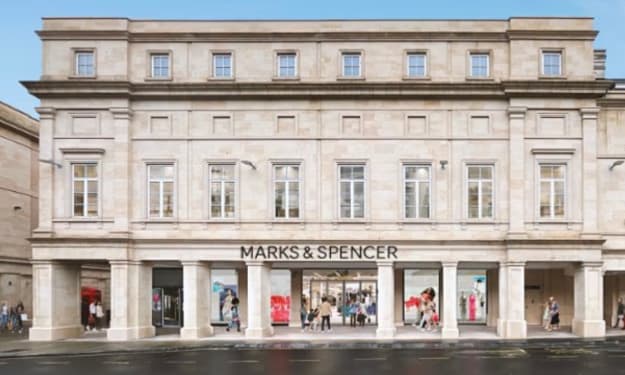
M&S Reveals 500 ‘Wish List’ Locations for New Stores as It Unveils Huge Expansion Plans – Could One Be Coming to a Town Near YOU
Marks & Spencer (M&S), the iconic British retailer, has unveiled plans to expand its store footprint dramatically, revealing a “wish list” of 500 potential locations for new shops across the United Kingdom. The move marks one of the most ambitious growth strategies in the retailer’s recent history and signals a renewed confidence in high-street shopping after years of online retail disruption. For shoppers, this announcement raises an exciting question: Could an M&S be coming to a town near you? The expansion strategy suggests that the company is targeting a mix of urban, suburban, and regional locations to strengthen its presence and reach new customer bases. The Expansion Plan M&S has long been a staple of British retail, but the company has faced challenges in recent years, including declining footfall in traditional high streets and competition from online retailers. The 500-location wish list represents a proactive attempt to revitalize the brand and reconnect with communities. Key points of the expansion strategy include: Targeting underserved areas where M&S currently has limited presence Optimizing store size to match local demand, ranging from smaller convenience stores to larger food and clothing outlets Focusing on food-led stores, reflecting the success of M&S’s food offerings and growing demand for premium groceries The company hopes that expanding its footprint will not only boost sales but also strengthen brand visibility across the country. Why M&S Is Betting on Expansion Now Several factors have prompted M&S to take this bold step: Resilience of Brick-and-Mortar Retail: Despite the rise of online shopping, physical stores remain crucial for customer experience, especially for groceries, fresh produce, and clothing. Strong Performance in Food: M&S’s food division has consistently outperformed expectations, driving growth even when other segments lag. Expanding stores with a focus on food could capture new markets and increase footfall. Brand Heritage and Loyalty: M&S remains one of the most trusted and recognized brands in the UK. Expanding stores leverages this brand equity to reach more customers. Post-Pandemic Opportunities: Many towns and cities are seeing renewed interest in high-street shopping, creating openings for retailers willing to invest in local communities. By combining these factors, M&S aims to position itself as both a modern and traditional retailer, appealing to diverse consumer preferences. Potential Locations and Community Impact The company has not yet disclosed the exact towns or neighborhoods for the new stores, but analysts suggest that smaller towns and suburban areas may feature prominently. This is because many larger cities already have significant M&S coverage, whereas smaller communities are underserved. For local economies, an M&S opening can provide several benefits: Job creation in retail, logistics, and support services Boost to high streets, attracting shoppers to nearby businesses Increased choice for consumers, particularly for premium groceries and ready-to-eat meals Communities can expect M&S to adapt store formats to local needs, ensuring that smaller locations focus on food, while larger outlets may include clothing, homeware, and other categories. Customer Excitement and Expectations The announcement has generated excitement among shoppers, especially those in towns that currently lack an M&S presence. Social media platforms are buzzing with speculation, with users asking whether a store might be opening within commuting distance. M&S has acknowledged the curiosity, encouraging communities to stay tuned as it finalizes lease agreements and site preparations. The company has also indicated that it will engage with local councils and residents to ensure smooth openings. Challenges Ahead While the expansion plan is ambitious, it comes with challenges: High Rental Costs: Securing prime high-street locations can be expensive, particularly in urban areas. Competition: Other retailers, including Tesco, Sainsbury’s, and Aldi, are also vying for market share, making it essential for M&S to differentiate through product quality and customer experience. Supply Chain Management: Scaling up to 500 locations requires robust logistics and inventory management to maintain the freshness and quality of food offerings. Changing Shopping Habits: While footfall is recovering, many customers continue to shop online. M&S must balance physical expansion with digital integration to remain competitive. Successfully navigating these challenges will be crucial to turning the expansion wish list into long-term profitable stores. Strategic Focus on Food and Convenience A key feature of the expansion strategy is M&S’s food-first approach. The retailer has seen strong growth in its ready-to-eat meals, premium groceries, and convenience items, which cater to busy lifestyles and local tastes. Smaller-format stores, often located in suburban or high-street settings, are expected to focus primarily on food and everyday essentials, while larger flagship locations will continue offering clothing, homeware, and specialty products. This strategic differentiation allows M&S to tailor offerings to local demographics while maximizing sales potential. Expert Opinions Retail analysts have praised the move as timely and strategic, highlighting M&S’s strong brand recognition and food expertise as competitive advantages. Claire Thompson, a retail analyst, commented: “Expanding into underserved towns and suburbs allows M&S to capture new customers while reinforcing its position in the premium segment. The challenge will be execution — ensuring that new stores meet local needs without overextending resources.” Analysts also note that the expansion could signal renewed confidence in the high street, especially as other major retailers continue to consolidate or reduce their physical presence. Looking Ahead M&S’s ambitious expansion plan demonstrates a clear commitment to strengthening its presence in the UK. With 500 potential locations on the wish list, the company is poised to redefine accessibility and convenience for customers while supporting local economies. Shoppers can expect phased rollouts over the coming years, with announcements on specific towns likely to follow. For communities eager for a local M&S, the future may hold new jobs, new food options, and a boost to the high street experience. Final Thoughts Marks & Spencer’s announcement of 500 potential new store locations represents one of the boldest expansion plans in recent British retail history. By focusing on food-led stores, targeting underserved towns, and leveraging its iconic brand, M&S is betting on a reinvigorated high-street presence. For shoppers across the UK, this could mean a new M&S store just around the corner, bringing convenience, quality, and the familiar British retail experience to towns that have long awaited it. As the company executes its vision, communities and consumers alike will be watching closely — eager to see which locations make the wish list a reality.
By Muhammad Hassan5 days ago in Earth
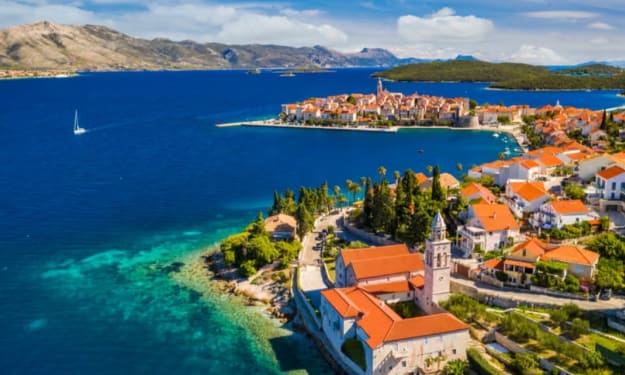
Stress-Free Travel: Plan Now to Avoid Holiday Scams and Pitfalls
The holiday season is a time of joy, adventure, and travel, but it can also bring stress, scams, and unexpected pitfalls. Whether you’re planning a tropical getaway, a city break, or a cozy family visit, early preparation and smart planning are essential to ensure your travel is smooth and enjoyable. Here’s a guide to help you navigate common holiday travel challenges and keep your trips stress-free.
By Aarif Lashari2 days ago in Earth

Comments
There are no comments for this story
Be the first to respond and start the conversation.