
The Palestine (Gaza) Hospital is Now a Living Hell Because It Has Run Out of Medical Equipment
the Palestine Hospital is not able to service due to Israel bombing
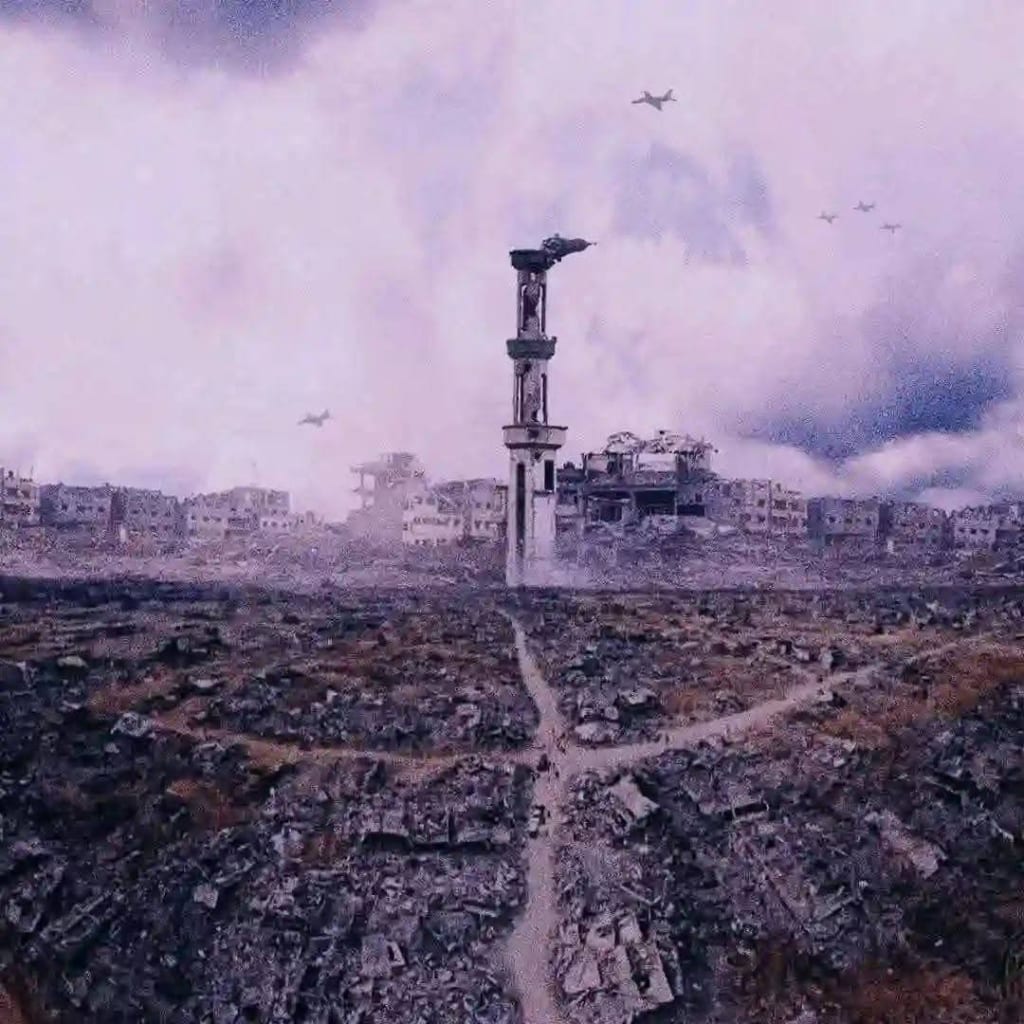
The Palestine (Gaza) Hospital is Now a Living Hell Because It Has Run Out of Medical Equipment
The healthcare crisis in Gaza has reached an unimaginable level of suffering. Once a place of hope and healing, many hospitals in Gaza have now become symbols of desperation and death. In recent months, the situation has worsened to the point where hospitals are being described as “living hells,” primarily because they have run out of essential medical equipment. This is not just a humanitarian tragedy—it is a collapse of the very systems that sustain life.
A War-Torn Healthcare Syste
Gaza, one of the most densely populated areas in the world, has been subjected to repeated military operations, blockades, and economic restrictions for over a decade. These conditions have devastated its healthcare infrastructure. Hospitals in Gaza were already struggling with limited supplies, outdated equipment, and damaged facilities. However, the recent escalations in violence, especially since the renewed conflict that began in late 2023, have brought the system to its knees.
Bombings have directly targeted healthcare facilities, ambulances, and even shelters, killing hundreds of patients and medical staff. The World Health Organization (WHO) and other international agencies have repeatedly warned about the systematic destruction of Gaza’s health sector, but their calls for intervention have often been ignored.
The Shortage of Medical Equipment
Currently, Gaza’s hospitals are operating with almost no medical supplies. Essential items such as anesthesia drugs, surgical tools, IV fluids, oxygen cylinders, incubators, dialysis machines, and even basic bandages are either completely unavailable or in extremely short supply. Electricity shortages due to fuel blockade have crippled equipment like ventilators and oxygen generators, further endangering patients’ lives.
The lack of equipment has turned even minor illnesses into life-threatening conditions. Cancer patients cannot receive chemotherapy because the required drugs are unavailable. Pregnant women are giving birth without proper sanitary conditions or medical assistance. Children injured by bombings lie in hospital beds with no pain relief or proper surgical care. The images and testimonies coming from Gaza show medical staff improvising treatments, using mobile flashlights during surgeries, and operating in overcrowded hallways filled with blood and screams.
The Suffering of Patients and Families
For the ordinary people of Gaza, seeking medical care has become a nightmare. Patients queue outside damaged hospitals, hoping for a bed, a doctor, or even a simple painkiller. Many die while waiting. Families carry their injured children in their arms, only to be told there is nothing the doctors can do. The cries of mothers, the silence of exhausted doctors, and the lifeless bodies wrapped in cloth speak louder than any news report ever could.
Hospitals have also become shelters for thousands of displaced civilians. As a result, facilities are overwhelmed not only by medical needs but also by people seeking food, water, and safety. The lines between a hospital and a refugee camp have blurred. Sanitation is almost non-existent, infections spread quickly, and the risk of disease outbreaks grows daily.
The Burden on Medical Staff
The healthcare professionals in Gaza are working under impossible conditions. With limited resources, no rest, and the constant fear of being bombed, these doctors and nurses continue to serve their people with heroic dedication. Many of them have lost their families and homes, yet they return to their posts, knowing that if they don't, more people will die.
Doctors are forced to make painful choices: who gets the last remaining oxygen tank? Who receives surgery, and who is left to die? These ethical nightmares are not meant to be part of a doctor’s job, yet in Gaza, they have become daily decisions.
Blockades and Political Inaction
The root of the problem lies not only in the bombs but in the blockade imposed on Gaza for years. The Israeli blockade, combined with Egypt's partial border closures, has made it nearly impossible to bring in medical supplies, equipment, or humanitarian aid. International aid is often delayed or denied, and trucks filled with life-saving supplies are stuck at border crossings, unable to enter.
The political indifference of the global community only worsens the crisis. Appeals from humanitarian organizations fall on deaf ears. The situation is no longer just a political issue—it is a moral failure of the international system that claims to protect human rights and dignity.
Global Response and the Need for Action
Despite the challenges, organizations such as the Red Crescent, Médecins Sans Frontières (Doctors Without Borders), and WHO continue to do what they can. But their efforts are restricted by security risks and lack of access. Gaza needs immediate international intervention—not just words, but action.
There must be an urgent ceasefire to allow medical supplies to enter Gaza without restriction. International pressure must be applied to ensure the protection of healthcare facilities under international humanitarian law. Moreover, long-term reconstruction and investment in Gaza’s healthcare system are essential for any hope of recovery.
A Call for Humanity
The situation in Gaza is not just a political conflict—it is a humanitarian catastrophe. Hospitals, the last refuge of the suffering, have now become scenes of horror. This should not be acceptable in the 21st century. A child should not die because there’s no oxygen tank. A mother should not bleed to death because there’s no surgical thread. These are preventable deaths, caused not by fate but by man-made choices.
We must not allow the silence of politics to drown out the cries of the innocent. The world must come together not just to stop the bombs, but to rebuild hope in a place where even hospitals have become hell on earth.

About the Creator
Keep reading
More stories from Jeweljonyee and writers in Earth and other communities.
Rainbow friendship
Our friendship is a vast canvas—each of us a brushstroke painted with different colors, each hue a reflection of our paths, our professions, and our personalities. We are the sons of the same soil, growing in different directions yet rooted in the same ground of love and laughter.
By Jeweljonyee10 months ago in History
UK Among 10 Countries to Build 100GW Wind Power Grid in North Sea
The United Kingdom has joined forces with nine other European countries to create a massive offshore wind power grid in the North Sea, aiming to generate 100 gigawatts (GW) of renewable electricity. This ambitious initiative, one of the largest international energy projects in recent history, reflects Europe’s growing commitment to sustainable energy and the transition away from fossil fuels.
By Aarif Lashari4 days ago in Earth


Comments
There are no comments for this story
Be the first to respond and start the conversation.