
The Organic Farming Handbook: Sustainable Agriculture for a Healthier Planet
Part-1


Introduction
Organic farming is a farming practice that prioritizes the use of natural processes and inputs while avoiding the use of synthetic chemicals, pesticides, and fertilizers. The history of organic farming can be traced back to the early 20th century, when farmers and scientists began experimenting with alternative methods of agriculture in response to the negative impacts of industrialization on the environment and human health.
One of the pioneers of organic farming was Sir Albert Howard, a British scientist who worked in India in the early 1900s.
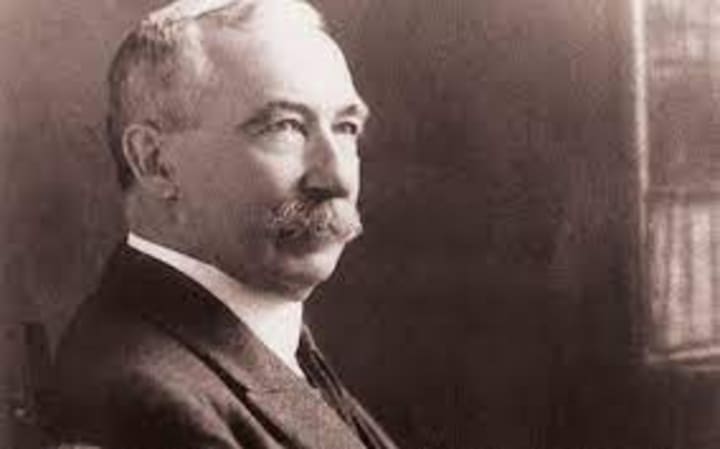
Howard believed in the importance of maintaining soil fertility through natural processes and advocated for the use of compost and other organic inputs. He also stressed the importance of crop rotations and intercropping to prevent soil erosion and improve soil health.
Another early advocate of organic farming was Rudolf Steiner, an Austrian philosopher and scientist who developed the principles of biodynamic farming in the 1920s.

Biodynamic farming is a holistic approach to agriculture that emphasizes the interconnectedness of all living things and seeks to create a self-sustaining farm ecosystem. Biodynamic farmers use a variety of techniques, including composting, crop rotations, and the use of natural preparations, to maintain soil health and promote biodiversity.
In the United States, the father of organic farming is often considered to be J.I. Rodale, who founded the Rodale Institute in 1947 to promote the benefits of organic farming and sustainable agriculture.

Rodale was inspired by the work of Howard and other early organic farming pioneers, and he believed that organic farming could improve soil health, reduce pollution, and promote human health by producing nutrient-rich food without the use of harmful chemicals.
The term "organic" was first used in reference to farming by Lord Northbourne in his 1940 book, "Look to the Land." Northbourne believed that agriculture should strive to mimic the natural processes found in ecosystems, rather than imposing industrial methods on the land. He coined the term "organic farming" to describe this approach.
In the 1960s and 1970s, the organic farming movement gained momentum in Europe and North America. This was partly driven by concerns about the environmental and health impacts of conventional agriculture, which relied heavily on synthetic fertilizers and pesticides. The publication of Rachel Carson's book "Silent Spring" in 1962, which warned about the dangers of pesticide use, was a major catalyst for the organic farming movement.
During this period, a number of organic farming organizations were founded, including the Soil Association in the UK and the Organic Farming and Gardening magazine in the US. These groups promoted the use of natural inputs such as compost, manure, and cover crops, as well as crop rotation and intercropping, to maintain soil fertility and control pests and diseases.
In the 1980s and 1990s, organic farming continued to grow in popularity, with more farmers adopting organic methods and consumers seeking out organic products in supermarkets and health food stores. In response, governments around the world began to develop organic farming standards and certification programs to ensure the integrity of organic products and protect consumers from false labeling.
Today, organic farming is practiced in almost every country around the world, with an estimated 71.5 million hectares of land under organic cultivation as of 2019. In some countries, such as Austria, Switzerland, and Denmark, more than 20% of all farmland is organic. Organic farming is also becoming more diverse, with the growth of urban agriculture, community-supported agriculture, and agroforestry.
1. The Basics of Organic Farming

Organic farming is a holistic and sustainable approach to agriculture that emphasizes the health and wellbeing of both the environment and the people who consume the food it produces. This chapter will introduce the basic principles of organic farming, including the use of natural inputs, crop rotation, cover cropping, and the avoidance of synthetic fertilizers and pesticides. We will also discuss the certification process for organic farming and the regulations that govern organic agriculture.
- Natural Inputs
One of the fundamental principles of organic farming is the use of natural inputs to support soil health and fertility. This includes the use of compost, animal manure, and other organic matter to enrich the soil and provide essential nutrients for plant growth. In contrast, conventional agriculture relies heavily on synthetic fertilizers, which can have negative impacts on soil health and the environment. Organic farmers also use natural pest and disease controls, such as crop rotation, intercropping, and the use of natural predators and beneficial insects, to manage pests and diseases without relying on harmful chemicals.
- Crop Rotation
Crop rotation is a key practice in organic farming that involves alternating the crops grown in a particular field over time. This helps to prevent the buildup of pests and diseases in the soil, maintain soil fertility, and reduce soil erosion. For example, a farmer might rotate a nitrogen-fixing legume crop, such as soybeans or clover, with a grain crop, such as wheat or corn. The legume crop adds nitrogen to the soil, which can benefit the following grain crop, while also reducing the need for synthetic fertilizers.
- Cover Cropping
Cover cropping is another important practice in organic farming that involves planting a non-harvested crop, or cover crop, in between periods of crop production. Cover crops help to prevent soil erosion, reduce weed growth, and improve soil health by adding organic matter and fixing nitrogen. Common cover crops include clover, rye, and vetch.
- Avoidance of Synthetic Fertilizers and Pesticides
Organic farming also emphasizes the avoidance of synthetic fertilizers and pesticides, which can have negative impacts on soil health, water quality, and biodiversity. Instead, organic farmers use natural inputs and pest and disease controls, as well as cultural practices such as crop rotation and cover cropping, to maintain soil fertility and manage pests and diseases.
- Certification and Regulations
To be certified as organic, farmers must follow strict guidelines and standards set forth by various organizations and governing bodies. In the United States, the National Organic Program (NOP) sets the standards for organic farming, while the Organic Materials Review Institute (OMRI) reviews and approves materials used in organic farming. Organic farmers must also maintain detailed records and undergo regular inspections to ensure that they are meeting the requirements for organic certification.
2. Soil Health and Fertility
Soil is the foundation of all agriculture, and healthy soil is essential for organic farming. Soil health refers to the physical, chemical, and biological properties of soil that support plant growth and ecosystem function. In organic farming, the focus is on building and maintaining soil health and fertility through natural means.

One of the key principles of organic farming is to avoid synthetic fertilizers and pesticides, which can harm soil microorganisms and disrupt the natural balance of soil ecosystems. Instead, organic farmers use natural inputs such as compost, manure, and green manures to nourish the soil and promote plant growth.
- Composting is one of the most important techniques used in organic farming to build soil fertility. Composting involves the decomposition of organic matter, such as plant debris, animal manure, and food waste, into a rich, nutrient-dense soil amendment. Compost is a valuable source of organic matter, which improves soil structure and water-holding capacity, and provides essential nutrients to plants.
- Manure management is another important aspect of organic farming that helps to maintain soil fertility. Manure is a rich source of nutrients, including nitrogen, phosphorus, and potassium, that can be used to fertilize crops. However, manure can also contain pathogens and excess nutrients that can harm soil and water quality if not managed properly. Organic farmers use a variety of techniques, such as composting, grazing management, and careful application timing, to manage manure and minimize environmental impacts.
- Green manures, also known as cover crops, are another important technique used in organic farming to improve soil health and fertility. Green manures are crops that are planted specifically to improve soil quality, rather than for harvest. They can be used to add organic matter, fix nitrogen, suppress weeds, and prevent erosion. When the green manure is tilled into the soil, it releases nutrients and improves soil structure, providing a natural source of fertility for the next crop.
- Soil microorganisms play a crucial role in organic farming, and soil conservation practices such as conservation tillage can help to promote their health and activity. Conservation tillage involves minimizing soil disturbance during planting and cultivation, which helps to maintain soil structure and prevent erosion. This allows soil microorganisms to thrive, which can improve nutrient cycling and disease suppression, and reduce the need for synthetic inputs.
3. Pest and Disease Management
Techniques for Organic Pest and Disease Management

- Crop Rotation: Crop rotation is a technique that involves alternating crops in a field to disrupt pest and disease cycles. This technique helps prevent the buildup of pest populations, as different crops have different nutrient requirements, which means pests cannot thrive on a single crop for long periods.
- Intercropping: Intercropping is a technique that involves growing two or more crops in proximity to each other. This technique creates a diverse ecosystem that can discourage pests and diseases by creating a more complex environment. For example, some crops attract beneficial insects that prey on pests, while others repel pests by emitting natural repellents.
- Natural Predators: The use of natural predators is a widely recognized organic pest management technique. Predatory insects such as ladybugs, lacewings, and parasitic wasps can help control pest populations. They prey on common pests such as aphids and caterpillars, effectively controlling pest populations while maintaining ecosystem balance.
Physical and Mechanical Controls
- Row Covers: Row covers are physical barriers used to protect crops from pest damage. Row covers are made of lightweight fabrics, which are placed over the crops to protect them from pests, while still allowing sunlight and rain to pass through.
- Traps: Traps are mechanical devices used to capture and kill pests. Traps are designed to attract specific pests and capture them in a container or sticky substance, effectively reducing the pest population.
About the Creator
KowsiKavi
Wasting usefully|Love towards Green ( Agriculture) | Feeding knowledge of farming | Kadhal on Nature | Future scope
I Spoke to Astrophysicists About Starlink’s Expansion: The Doomsday Scenario Keeping Them Up at Night
SpaceX’s Starlink project has captured headlines for its ambitious goal: provide high-speed internet across the globe by deploying thousands of low-Earth orbit satellites. While the idea of connecting remote communities is exciting, astrophysicists and space experts are sounding the alarm about a growing doomsday scenario that could threaten both space exploration and our ability to observe the night sky. After speaking to several astrophysicists, it’s clear that Starlink’s expansion, if unchecked, could dramatically alter Earth's orbital environment, disrupt astronomical observations, and even increase the risk of space debris collisions. Here’s what experts are warning the public about. The Scale of Starlink’s Expansion As of now, SpaceX has launched over 4,000 Starlink satellites, with plans to deploy tens of thousands more in the coming years. Each satellite orbits at altitudes between 340 km and 1,200 km, which places them in the low-Earth orbit region used by countless other satellites and scientific missions. Astrophysicists point out that this rapid proliferation is unprecedented. Dr. Lisa Montez, an astronomer specializing in satellite impacts on optical telescopes, told me, “We are looking at a situation where the density of satellites is increasing faster than anyone has fully planned for. This is uncharted territory.” The problem isn’t just the sheer number of satellites—it’s the concentration in specific orbital bands, which makes collisions more likely and complicates orbital management. The Night Sky Is at Risk For centuries, humanity has marveled at the stars, studying the cosmos to better understand our place in the universe. But astrophysicists warn that Starlink is dramatically altering the night sky, making it more challenging to conduct research and enjoy unpolluted stargazing. Every time a telescope captures an image, the reflective surfaces of Starlink satellites can leave streaks of light, masking or distorting the data. “Even a single bright satellite passing through a telescope’s field of view can ruin an entire night of observation,” Dr. Montez explains. Observatories around the world are already noticing the impact. The Vera C. Rubin Observatory in Chile, set to be one of the most advanced facilities for studying dark matter and the evolution of galaxies, may see thousands of Starlink satellites crossing its field of view nightly, potentially reducing the quality of its data and increasing processing costs. The Doomsday Scenario: Space Debris Beyond observations, astrophysicists are increasingly concerned about space debris, which could trigger a cascading chain reaction known as Kessler Syndrome. This occurs when collisions between satellites produce debris that then hits other satellites, creating more debris in an accelerating feedback loop. Professor Rajesh Patel, a space environment specialist, told me, “If a few hundred Starlink satellites collide, it could create tens of thousands of fragments. That would threaten other satellites, international space missions, and even human spaceflight.” Space debris doesn’t just float harmlessly—it travels at speeds over 28,000 km/h, enough to destroy functional satellites or damage spacecraft. With tens of thousands of Starlink satellites planned, the potential for catastrophic collisions is growing, especially since low-Earth orbit is already crowded. Mitigation Efforts and Controversies SpaceX has acknowledged these concerns and claims to implement collision avoidance protocols, using automated systems to maneuver satellites out of harm’s way. The company also plans for satellites to deorbit at the end of their lifespan, burning up in the atmosphere. However, experts argue that these measures may not be enough. Automated systems can fail, and human error or unexpected orbital dynamics could still lead to accidents. Furthermore, the sheer number of satellites makes it difficult to track and manage each one effectively, particularly as other private companies and nations plan similar mega-constellations. Dr. Montez adds, “Even if every satellite works perfectly, the night sky is already changing. The aesthetic and scientific impacts are immediate, whereas collision risks are looming but potentially devastating.” Broader Implications for Humanity The expansion of Starlink raises ethical and regulatory questions. Who has the right to fill low-Earth orbit? How much impact on astronomy and scientific research is acceptable for the sake of global internet coverage? International regulatory bodies like the United Nations Office for Outer Space Affairs (UNOOSA) and the Federal Communications Commission (FCC) have some oversight, but critics argue that global coordination is lagging behind corporate launches. Without international agreements and enforceable regulations, the sky could become a congested and hazardous environment, impacting both science and commerce. Astrophysicists emphasize that this isn’t just a matter of aesthetics. The ability to observe celestial phenomena affects climate science, space weather monitoring, and tracking near-Earth objects. If observations are increasingly compromised, our understanding of Earth and space could suffer. What Can Be Done? Experts suggest several strategies to mitigate risks: International Coordination: Global treaties or agreements to regulate satellite density and orbital placement. Reflectivity Reduction: Coating satellites to reduce brightness and their impact on telescopes. Enhanced Tracking Systems: Better monitoring of orbital debris and automated collision avoidance. Selective Deployment: Careful planning to avoid overcrowding specific orbital bands. While SpaceX is implementing some of these solutions, astrophysicists argue that industry self-regulation is insufficient. They advocate for a coordinated international approach to protect both scientific research and long-term orbital sustainability. Conclusion The expansion of Starlink represents a remarkable technological achievement, promising global internet access and unprecedented connectivity. Yet it also highlights the unintended consequences of space commercialization, including the potential for a cluttered sky, disrupted astronomy, and catastrophic space debris collisions. Astrophysicists remain vigilant. They warn that without careful oversight, humanity could face a doomsday scenario in low-Earth orbit, jeopardizing scientific discovery and space safety for generations. As we continue to celebrate innovations like Starlink, it’s crucial to remember that the sky belongs to all of us—scientists, enthusiasts, and everyday observers alike. Balancing technological progress with environmental stewardship of space may be one of the most critical challenges of the 21st century.
By Muhammad Hassanabout 10 hours ago in Earth
Turning Waste into Worth: Plastic Pyrolysis in the Circular Economy
Plastic pollution has become one of the defining environmental challenges of our time. From overflowing landfills to microplastics in oceans, the traditional “take–make–dispose” model is no longer sustainable. In response, the concept of the circular economy has gained global attention, aiming to keep materials in use for as long as possible while reducing waste. Among the emerging technologies supporting this transition, plastic pyrolysis stands out as a promising solution.
By Bestonpyrolysisabout 18 hours ago in Earth



Comments
There are no comments for this story
Be the first to respond and start the conversation.