

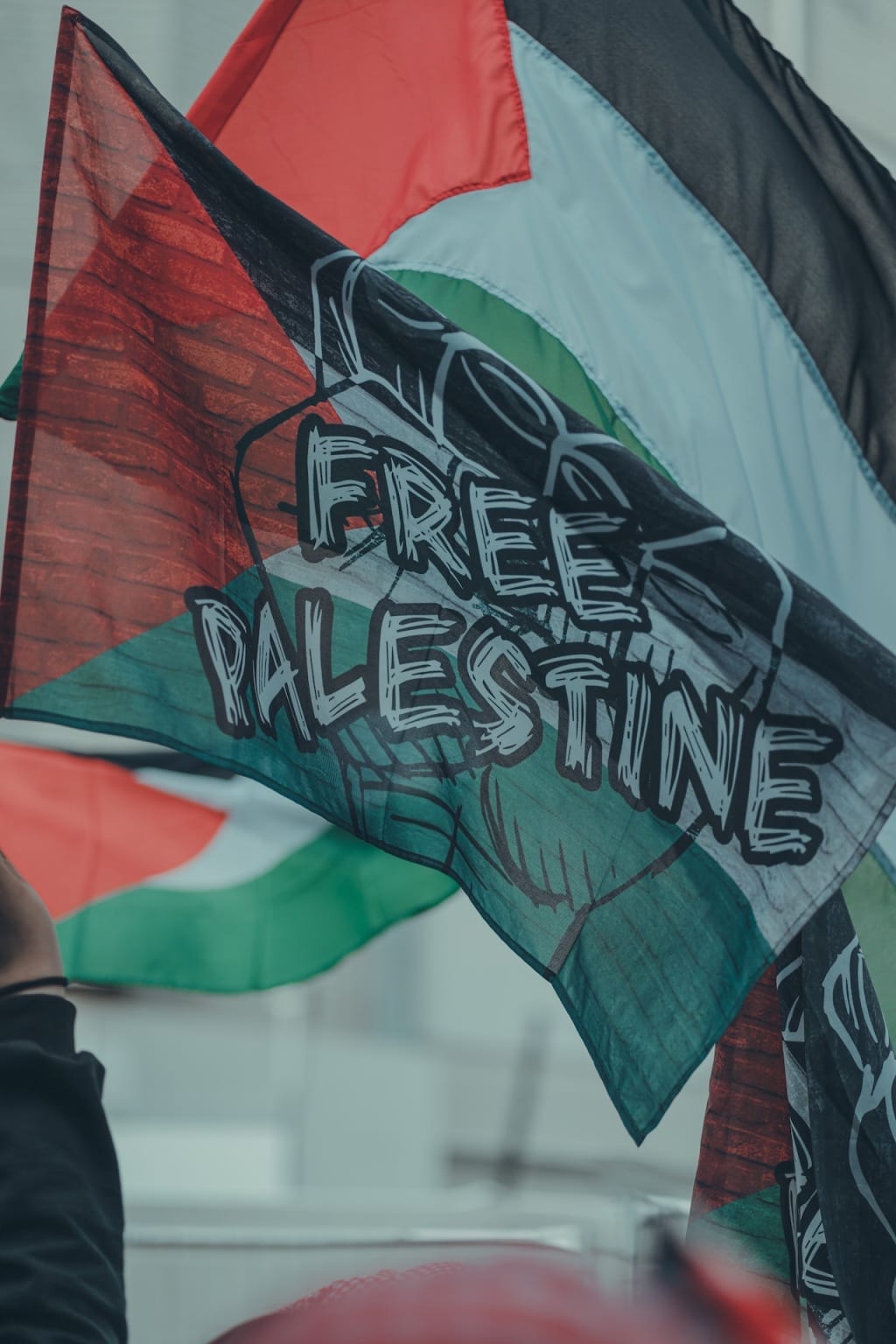
May 15th marks the Nakba Day, or the "Day of Catastrophe," for the Palestinians. On this day in 1948, when the State of Israel was established, over 700,000 Palestinians were forced to flee their homes and lands, which later became Israel. Since then, every year on May 15th, Palestinians around the world commemorate the Nakba by holding protests, rallies, and gatherings to demand their right of return, freedom, and independence.
The Nakba was a turning point in the history of the Palestinian people. It uprooted them from their ancestral lands, destroyed their homes, and shattered their dreams of living in peace and dignity. The Nakba also created a deep wound that has not healed to this day. Palestinians who were forced to flee Israel became refugees in neighboring Arab countries, such as Jordan, Lebanon, and Syria. Those who stayed behind became a minority in their own homeland and were subjected to discrimination, violence, and displacement.
The Nakba also marks the beginning of the Palestinian-Israeli conflict, which is still ongoing. The displacement of the Palestinians and the creation of the State of Israel were the result of a deliberate Zionist policy to take over land and displace the indigenous population. The conflict that ensued has been characterized by violence, human rights violations, and a lack of political resolution.
The protests held by Palestinians every May 15th are a reminder of the injustice that befell them and their ongoing struggle for their rights. The protests take different forms and are held in different parts of the world. In Palestine, demonstrators often gather near the border fence separating Israel and Gaza. They hold signs calling for the right of return, the end of the blockade on Gaza, and the liberation of Palestine. In some cases, the protests turn violent, with Israeli forces responding with tear gas, rubber bullets, and live fire. The clashes have often resulted in fatalities, injuries, and arrests.
In other parts of the world, such as Europe, North America, and Australia, Palestinians and their supporters hold rallies and marches to raise awareness about the Nakba and Palestinian rights. They also organize cultural events, such as concerts, film screenings, and poetry readings, to celebrate Palestinian culture and resilience.
The protests on May 15th are not just a commemoration of the past; they are also a call to action for the future. Palestinians continue to demand their right of return, which is enshrined in international law. They also call for an end to the Israeli military occupation of the West Bank, East Jerusalem, and Gaza and for the establishment of an independent Palestinian state. These demands are not only just but also necessary for the sake of peace and stability in the region.
However, the Palestinian cause is not just a matter of political rights and freedoms. It is also a matter of human rights, social justice, and dignity. The Nakba has created a humanitarian crisis that has affected generations of Palestinians. The refugees who were displaced in 1948 and their descendants continue to live in dire conditions in refugee camps, denied basic rights such as education, healthcare, and adequate housing. The Palestinians who live in the occupied territories face daily humiliation, violence, and discrimination under Israeli occupation. The Palestinians who are citizens of Israel face institutionalized discrimination and marginalization.
Therefore, the protests on May 15th are also a call for the respect of human rights and dignity. Palestinians demand an end to the Israeli occupation and colonization of their land, the dismantling of the apartheid regime, and the recognition of their right to self-determination. They demand an end to the violence that has been inflicted upon them for decades and for justice to be served for the victims of Israeli crimes.
In conclusion, the protests held by Palestinians every May 15th are a reminder of their ongoing struggle for freedom, justice, and independence. The Nakba Day is not just a commemoration of the past but also a call to action for the future. Palestinians demand their right of return, an end to the occupation and colonization of their land, and the recognition of their right to self-determination. They demand an end to the violence and the violation of their rights and dignity. The Nakba is not just a Palestinian issue; it is a human rights issue. It is time for the international community to recognize this and support the Palestinian people in their just struggle.
About the Creator
Justice story’s
Justice story’s helps you cut through the noise and understand what's driving events in the headlines and in our lives.
Reader insights
Outstanding
Excellent work. Looking forward to reading more!
Top insight
Heartfelt and relatable
The story invoked strong personal emotions
Keep reading
More stories from Justice story’s and writers in Earth and other communities.
Russia
Russia, officially known as the Russian Federation, is the world's largest country by area, spanning over 17 million square kilometers. It is located in northern Eurasia and shares borders with Norway, Finland, Estonia, Latvia, Lithuania, Poland, Belarus, Ukraine, Georgia, Azerbaijan, Kazakhstan, Mongolia, China, and North Korea.
By Justice story’s 3 years ago in Criminal
World-largest: China’s 792 million kWh compressed air energy station now fully operational
Britain must accelerate its transition toward renewable energy sources as geopolitical conflicts continue to drive global energy prices higher, according to leading energy analysts and climate policy experts. The warning comes as wars and political tensions across key energy-producing regions expose the vulnerability of countries still heavily reliant on imported fossil fuels. In recent years, the United Kingdom has made significant progress expanding renewable energy capacity, particularly in offshore wind and solar power. However, experts argue that the pace of the transition remains insufficient to shield the country from the volatility of international energy markets. Conflicts in the Middle East and Eastern Europe have demonstrated how quickly supply disruptions can translate into rising costs for households and businesses. Energy economists say the lesson from recent global crises is clear: the more dependent a country is on imported oil and gas, the more exposed it becomes to geopolitical shocks. Britain imports a substantial portion of its natural gas and refined fuel products, meaning instability in global supply chains can quickly affect domestic energy bills. During periods of international conflict, oil prices often spike due to fears that shipping routes or production facilities could be disrupted. Even rumors of attacks near key energy chokepoints — such as major pipelines or shipping lanes — can cause markets to react sharply. These fluctuations, analysts say, ultimately filter down to consumers through higher electricity and heating costs. Renewable energy sources offer a potential solution to this problem because they rely on domestic resources such as wind and sunlight rather than imported fuels. Once renewable infrastructure is built, operating costs remain relatively stable because there is no need to purchase fuel on global markets. The United Kingdom already operates some of the world’s largest offshore wind farms, and renewable energy now accounts for a significant share of the country’s electricity generation. Government data indicates that wind power alone has become one of the largest sources of electricity in Britain, particularly during periods of strong weather conditions. Despite this progress, energy specialists argue that further investment is essential. Expanding renewable generation capacity requires not only building more wind and solar farms but also upgrading the national electricity grid. A modernized grid would allow energy produced in remote offshore locations to be transmitted efficiently to cities and industrial centers. Energy storage is another critical piece of the puzzle. Because renewable sources like wind and solar are intermittent, large-scale battery systems or alternative storage technologies are needed to ensure a stable supply of electricity during periods when generation drops. Developing these systems will require both technological innovation and sustained financial investment. Some experts also emphasize the importance of diversifying the country’s renewable portfolio. While offshore wind remains a cornerstone of Britain’s energy strategy, solar power, tidal energy, and green hydrogen could also play important roles in the future energy mix. The government has already announced plans to increase renewable capacity dramatically over the next decade. Officials argue that reducing reliance on fossil fuels will not only strengthen national energy security but also help the country meet its climate targets. However, critics say policy uncertainty and slow planning approvals have sometimes delayed renewable projects. Industry leaders have urged authorities to streamline regulatory processes and provide clearer long-term incentives for investors. For many analysts, the link between energy security and climate policy has never been more obvious. Wars and geopolitical tensions have shown that fossil fuel dependence can create economic vulnerability, while domestically produced renewable energy offers greater stability. “The global energy system is changing,” said one energy policy researcher. “Countries that invest early in renewable infrastructure will be better protected from geopolitical shocks and price spikes.” As international conflicts continue to reshape global energy markets, the debate over Britain’s energy future is likely to intensify. For supporters of renewable power, the current moment represents both a warning and an opportunity — a chance to accelerate the transition toward a more secure and sustainable energy system.
By Fiaz Ahmed a day ago in Earth
Becca
"Everything is so... flat." Denille said stupidly as she looked around her new neighborhood. She looked around at the muted desert where even the smallest sign of life seemed to have given up. The plant life was shrubs that were half cooked by the heat and where there should have been a lawn, a mess of white rocks laid glistening in the sun. Even the sky looked stretched thin, like the sun had ironed it smooth. She’d moved from Riverside, where at least there were hills, but here in Barstow, everything felt baked and brittle.
By Sara Wilsona day ago in Fiction


Comments
There are no comments for this story
Be the first to respond and start the conversation.