
The Most Endangered Animals in the World and What We Can Do to Save Them
Understanding the Causes of Endangerment and Effective Conservation Strategies for Ensuring the Survival of Imperiled Species

The world is facing an unprecedented loss of biodiversity, with many animal species facing extinction due to human activities such as habitat destruction, poaching, and climate change. In this article, we will explore the most endangered animals in the world and what we can do to save them, including conservation efforts and actions we can take as individuals to protect these precious species.
The Amur Leopard:
The Amur leopard is one of the rarest big cats in the world, with fewer than 100 individuals left in the wild due to habitat loss, poaching, and climate change. Conservation efforts include habitat protection, anti-poaching measures, and captive breeding programs.
To save the Amur leopard, habitat protection is essential. The Amur leopard lives in the Russian Far East, which has been heavily impacted by deforestation and development. The leopard's habitat needs to be protected to ensure their survival. Anti-poaching measures are also critical since the Amur leopard is hunted for its fur and bones, which are used in traditional medicine. Finally, captive breeding programs are in place to help increase the population of the Amur leopard and reduce the risk of extinction.
The Black Rhino:
The black rhino is critically endangered due to poaching for its horn, with fewer than 5,500 individuals left in the wild. Conservation efforts include anti-poaching measures, habitat protection, and captive breeding programs.
Poaching is the biggest threat to the black rhino, with their horns being highly valued in some cultures. Anti-poaching measures such as increased patrols and penalties for poachers are essential to protect the black rhino. Habitat protection is also critical since the black rhino's habitat has been significantly impacted by deforestation and development. Finally, captive breeding programs are in place to help increase the population of the black rhino and reduce the risk of extinction.
The Vaquita:
The vaquita is the world's most endangered marine mammal, with fewer than 20 individuals left in the wild due to bycatch in gillnets. Conservation efforts include the implementation of gillnet bans, habitat protection, and captive breeding programs.
Gillnet fishing is the biggest threat to the vaquita, with the animal getting caught in the nets and drowning. To save the vaquita, gillnet bans have been implemented in the vaquita's habitat. Habitat protection is also critical since the vaquita's habitat has been impacted by pollution and climate change. Finally, captive breeding programs are in place to help increase the population of the vaquita and reduce the risk of extinction.
The Sumatran Elephant:
The Sumatran elephant is critically endangered due to habitat loss and poaching for ivory, with fewer than 2,800 individuals left in the wild. Conservation efforts include habitat protection, anti-poaching measures, and human-elephant conflict resolution.
Habitat loss is the biggest threat to the Sumatran elephant, with their habitat being impacted by deforestation and development. Habitat protection is critical to ensure the survival of the Sumatran elephant. Poaching for ivory is also a significant threat, and anti-poaching measures are essential to protect the species. Finally, human-elephant conflict resolution programs are in place to help reduce conflicts between elephants and humans.
The Mountain Gorilla:
The mountain gorilla is critically endangered due to habitat loss and poaching, with fewer than 1,000 individuals left in the wild. Conservation efforts include habitat protection, anti-poaching measures, and tourism revenue for conservation.
Habitat loss is the biggest threat to the mountain gorilla, with their habitat being impacted by deforestation and development. Habitat protection is critical to ensure the survival of the species. Poaching for bushmeat and the pet trade are also significant threats to the mountain gorilla, and anti-poaching measures are essential to protect the species. Finally, tourism revenue has been used to fund conservation efforts, as tourists are able to visit the gorillas in their natural habitat and contribute to their protection.
The Javan Rhino:
The Javan rhino is one of the rarest large mammals in the world, with fewer than 70 individuals left in the wild due to habitat loss and poaching for their horns. Conservation efforts include habitat protection, anti-poaching measures, and captive breeding programs.
Habitat loss is the biggest threat to the Javan rhino, with their habitat being impacted by deforestation and development. Habitat protection is critical to ensure the survival of the species. Poaching for their horns is also a significant threat, and anti-poaching measures are essential to protect the species. Finally, captive breeding programs are in place to help increase the population of the Javan rhino and reduce the risk of extinction.
The Hawksbill Turtle:
The hawksbill turtle is critically endangered due to habitat loss, bycatch in fishing nets, and the illegal trade in their shells, with populations declining by over 80% in the last century. Conservation efforts include habitat protection, the implementation of turtle excluder devices (TEDs) in fishing nets, and education and awareness campaigns.
Habitat loss and bycatch in fishing nets are the biggest threats to the hawksbill turtle, with the illegal trade in their shells also contributing to their decline. Habitat protection and the implementation of TEDs in fishing nets are critical to protect the species. Education and awareness campaigns are also essential to raise awareness about the threats facing the hawksbill turtle and encourage conservation efforts.
The Saola:
The saola is one of the rarest and most enigmatic mammals in the world, with fewer than 100 individuals left in the wild due to habitat loss and hunting. Conservation efforts include habitat protection, anti-poaching measures, and research into the species.
Habitat loss and hunting are the biggest threats to the saola, with their habitat being impacted by deforestation and development. Habitat protection is critical to ensure the survival of the species. Anti-poaching measures are also essential to protect the saola from hunting. Finally, research into the species is needed to better understand their behavior and biology and inform conservation efforts.
The Philippine Eagle:
The Philippine eagle is one of the world's largest and rarest eagles, with fewer than 800 individuals left in the wild due to habitat loss and hunting. Conservation efforts include habitat protection, anti-poaching measures, and captive breeding programs.
Habitat loss and hunting are the biggest threats to the Philippine eagle, with their habitat being impacted by deforestation and development. Habitat protection is critical to ensure the survival of the species. Anti-poaching measures are also essential to protect the Philippine eagle from hunting. Finally, captive breeding programs are in place to help increase the population of the species and reduce the risk of extinction.
The Red Panda:
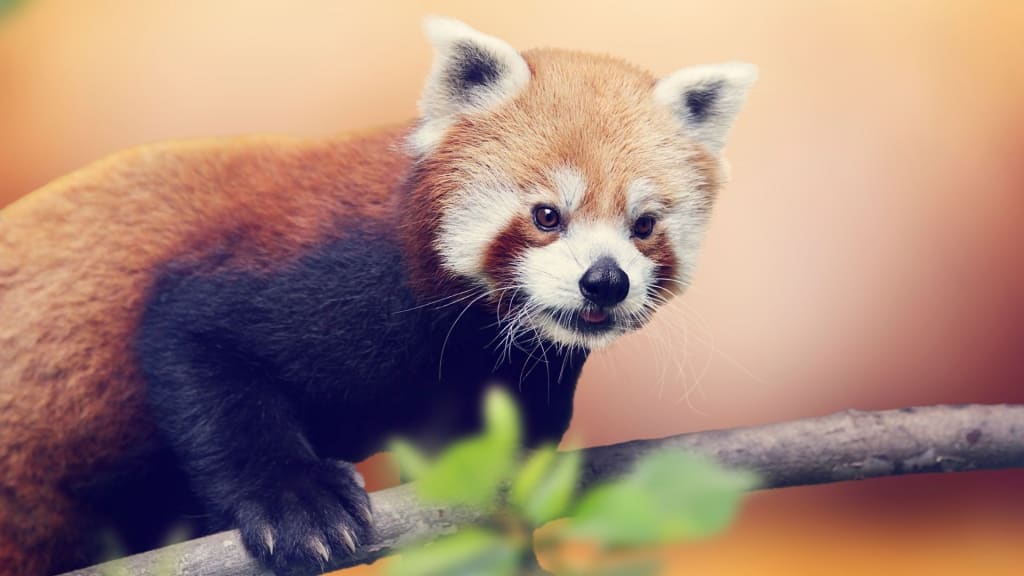
The red panda is a small arboreal mammal that is classified as endangered due to habitat loss and hunting. Conservation efforts include habitat protection, anti-poaching measures, and education and awareness campaigns.
Habitat loss and hunting are the biggest threats to the red panda, with their habitat being impacted by deforestation and development. Habitat protection is critical to ensure the survival of the species. Anti-poaching measures are also essential to protect the red panda from hunting. Finally, education and awareness campaigns are essential to raise awareness about the threats facing the red panda and encourage conservation efforts.
The endangered animals listed in this article represent just a small fraction of the many species facing extinction due to human activities. It is up to all of us to take action to protect and conserve these species and their habitats. This can include supporting conservation organizations, reducing our own impact on the environment, and advocating for stronger laws and policies to protect wildlife and their habitats.
One important step we can all take is to educate ourselves and others about the threats facing endangered animals and the importance of conservation efforts. By raising awareness and supporting conservation efforts, we can help ensure that these amazing species continue to thrive for generations to come.
About the Creator
Gokhan Polard
As an experienced ERC Referral Specialist, my primary dedication lies in assisting businesses in the journey towards financial success. https://ercsolutionshub.com/
Keep reading
More stories from Gokhan Polard and writers in Earth and other communities.
The Importance of Sustainable Agriculture - How Farmers Can Help Combat Climate Change
Agriculture is a critical component of our global economy and sustenance, providing food and other essential resources for our growing population. However, agriculture is also a significant contributor to climate change, with practices such as deforestation, monoculture, and heavy use of fossil fuel-based inputs leading to greenhouse gas emissions and other environmental problems. In this article, we will explore the importance of sustainable agriculture in combating climate change and the role of farmers in promoting more sustainable practices.
By Gokhan Polard3 years ago in Earth
China Cracks Down on Ships Using Starlink
A New Front in China’s Technology Control China has intensified its crackdown on ships using Starlink, the satellite internet service operated by Elon Musk’s SpaceX, signaling a sharp escalation in Beijing’s efforts to control information flows and foreign technology. Authorities have warned commercial vessels, fishing boats, and private operators against using unapproved satellite communication systems, citing national security and data sovereignty concerns.
By Aarif Lashari4 days ago in Earth
Elon Musk Says Retirement Savings “Won’t Matter” in 20 Years—Here’s What Experts Think
Recently, Elon Musk sparked a heated debate on social media with a bold claim: in 20 years, traditional retirement savings “won’t matter.” The Tesla and SpaceX CEO suggested that the way people think about money and retirement today might be completely obsolete in a couple of decades. As usual, Musk’s statements are equal parts provocative and visionary, leaving many wondering whether they should rethink their financial plans entirely. To get clarity, we reached out to seven personal finance and AI experts to hear their thoughts on Musk’s prediction. Their insights provide a mix of caution, optimism, and futuristic thinking. 1. The Case for Obsolescence: AI and Automation AI strategist Dr. Karen Liu believes Musk isn’t exaggerating when he talks about the diminishing importance of retirement savings. “If AI and automation continue at the current pace, many traditional jobs could disappear,” she explains. “By 2046, people might earn income from AI-driven ventures, digital assets, or royalties rather than a 9-to-5 paycheck. In that case, the way we save for retirement could indeed look very different.” She emphasizes that new financial models might emerge, such as universal basic income (UBI) or AI-managed wealth portfolios, making conventional retirement accounts less critical. “People might no longer need 401(k)s or IRAs in the same way we do now,” she adds. 2. The Human Factor: Some Things Don’t Change Personal finance advisor Marcus Bell takes a more conservative view. “Even if the economy changes drastically, money management skills won’t be irrelevant,” he says. “Musk may be right that retirement savings as we know them may evolve, but having a financial cushion will always matter. Emergencies, healthcare costs, and life changes won’t disappear.” Bell suggests a hybrid approach: continue contributing to traditional retirement accounts while exploring alternative investments like digital currencies, AI-managed funds, or entrepreneurial ventures. 3. Cryptocurrency and the Digital Asset Revolution Crypto expert Priya Desai sees Musk’s comment as a nod toward the rise of digital assets. “By 2046, much of personal wealth may reside in cryptocurrencies, tokenized real estate, and NFTs rather than bank accounts or pensions,” she says. Desai believes that blockchain technology could redefine ownership and wealth accumulation, making traditional retirement savings less central. However, she cautions: “Digital assets are highly volatile. While they may replace some retirement vehicles, they aren’t a guaranteed substitute. Diversification will remain crucial.” 4. AI-Powered Wealth Management AI entrepreneur Rohan Kapoor points out that AI itself could make traditional retirement planning almost obsolete. “Imagine AI systems that continuously optimize your investments, taxes, and spending in real-time,” he says. “If AI handles wealth accumulation more efficiently than humans, you may not need to manually save and plan decades in advance.” Kapoor predicts that by 2046, AI advisors could create personalized financial lifelines that automatically adjust for inflation, market changes, and lifestyle goals. In this scenario, traditional 401(k)s might feel outdated. 5. The Social Safety Net Factor Economist Dr. Elise Morgan reminds us that social and political structures will also play a role. “Even if technology changes how wealth is accumulated, government programs like Social Security, healthcare, or UBI will shape retirement,” she explains. “Musk’s statement assumes a high-tech, highly automated economy, which is just one possible scenario.” Morgan urges caution: relying solely on futuristic predictions could be risky. Traditional savings may still act as a fallback if economic or technological disruptions fail to deliver as Musk anticipates. 6. Mindset and Wealth Beyond Money Financial psychologist Sandra Liu emphasizes that wealth isn’t only monetary. “Even if retirement accounts lose their traditional meaning, financial literacy, resourcefulness, and the ability to leverage technology will remain critical skills,” she says. “Musk’s prediction is more about mindset than accounts. People who can adapt, innovate, and use technology to generate income will thrive regardless of conventional savings.” 7. Preparing for the Future, Not Panicking Finally, futurist Jared Thompson encourages a pragmatic approach: “Don’t panic or abandon your retirement plan just because Elon Musk said so. Think of it as a signal to diversify—invest in tech, learn AI skills, and explore new income streams.” Thompson suggests a “layered strategy”: keep some traditional retirement savings while experimenting with AI-driven investment platforms, cryptocurrencies, and entrepreneurial projects. What Does This Mean for You? Musk’s prediction may sound extreme, but the expert opinions reveal a spectrum of possibilities. Here’s a practical takeaway: Keep saving, but diversify: Don’t abandon retirement accounts, but explore AI-driven investments, crypto, or digital assets. Invest in skills: AI, coding, and tech literacy may be as valuable as cash reserves in 20 years. Embrace flexibility: Financial plans should be adaptable to rapid technological and societal changes. Mind the basics: Emergency funds, debt management, and smart spending remain essential regardless of tech trends. In short, Musk’s warning isn’t necessarily a call to abandon traditional retirement planning—it’s a reminder that the future of money is changing rapidly. Those who combine conventional strategies with an eye on emerging technologies may be the ones who truly thrive in 2046. Conclusion: Elon Musk’s claim that retirement savings “won’t matter” in 20 years is provocative, but it opens an important conversation about the intersection of finance, technology, and the future of work. While some experts see it as a harbinger of radical change, others stress prudence and flexibility. Either way, the message is clear: the next two decades will demand both financial savvy and tech literacy. The question isn’t whether retirement savings will disappear—it’s whether you’ll adapt to the evolving financial landscape.
By Muhammad Hassan4 days ago in Earth



Comments
There are no comments for this story
Be the first to respond and start the conversation.