
The loss of cultural traditions in indigenous communities
Due to environmental destruction

The day started off like any other day in the small indigenous community nestled deep in the heart of the Amazon rainforest. The birds were chirping, the leaves rustled in the gentle breeze, and the air was thick with the sweet scent of the lush greenery that surrounded them. Children laughed and played, while the elders sat in a circle, singing songs and sharing stories passed down from generation to generation.
But as the day wore on, the mood began to shift. Dark clouds rolled in, and the sky grew ominously grey. The wind picked up, sending leaves and branches flying in all directions. A flash of lightning illuminated the sky, followed by a deafening clap of thunder that shook the ground beneath their feet.
At first, the villagers tried to ignore the storm. They retreated to their homes and waited for it to pass. But the rain grew heavier and heavier, pouring down in a relentless torrent that seemed to show no signs of easing up.
Soon, the river that ran alongside their village began to rise. It burst its banks, spilling over into the streets and homes, and carving a path of destruction through everything in its wake. The villagers tried to hold it back, frantically piling sandbags and digging makeshift channels, but it was no use. The water just kept rising, swallowing up their homes and their belongings without mercy.
As the days stretched on and the rain continued to pound down, it became clear that this was no ordinary storm. This was a disaster of unprecedented proportions, one that would change their lives forever.
In the weeks and months that followed, the indigenous community tried to pick up the pieces of their shattered lives. They rebuilt their homes, replanted their crops, and tried to heal from the trauma of what they had been through.
But as they looked around at the destruction that surrounded them, they realized that something even more precious than their physical possessions had been lost. Their culture, their way of life, their connection to the land and the spirits that inhabited it – all of it had been eroded by the storm, washed away by the relentless rain and the surging floodwaters.
They mourned what they had lost, their songs and stories and traditions that had sustained them for centuries, handed down from generation to generation. They knew that they could rebuild their homes and their farms, but they could never fully recover what had been taken from them.
And as they looked out at the rapidly changing world around them – the forests stripped bare, the rivers polluted, the air heavy with the stench of industry – they knew that they were not alone. They saw their own struggle reflected in the faces of indigenous peoples all around the world, who were fighting to preserve their cultures and traditions in the face of a changing climate.
They saw the urgent need to act, to unite and fight back against the forces that threatened their very existence. They knew that they could not go back to the way things were before, that they must adapt and evolve to survive in this new world.
But as they looked up at the sky, and felt the warm embrace of the rain on their skin, they promised to never forget what they had lost, to never forget the stories and traditions that had bound them to this land for centuries. They knew that they had to find a way to keep their culture alive, to pass it on to the next generation, even as the world changed around them.
For in the end, they knew that the resilience and strength of their community was not found in the physical structures they built or the tools they used to farm the land. It was found in the stories and traditions that had been passed down through generations, in the songs and dances that had animated their lives.
And so they vowed to continue their fight, to adapt and persevere, to ensure that their culture would never be lost to the relentless forces of climate and environmental destruction.
About the Creator
Keep reading
More stories from writers in Earth and other communities.
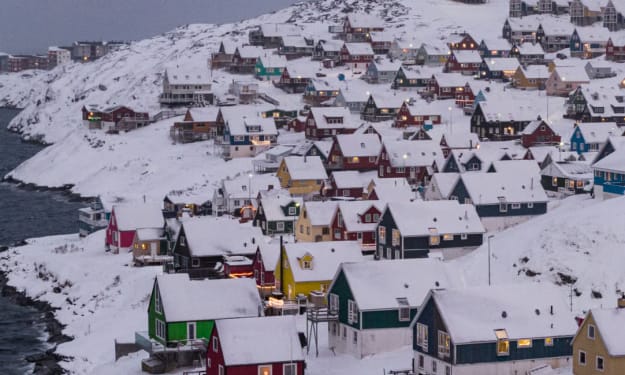
For Russia, Greenland Offers an ‘Ideal Solution’ to Its Ukraine Problem
In the complex chessboard of global geopolitics, some developments become unexpectedly powerful tools. One such flashpoint today is Greenland — the icy Arctic territory of Denmark that has suddenly captured international attention. While the world focuses on former U.S. President Donald Trump’s renewed interest in Greenland, Moscow is quietly calculating how this turmoil could serve its broader interests, particularly in the context of the war in Ukraine.
By Muhammad Hassan7 days ago in Earth
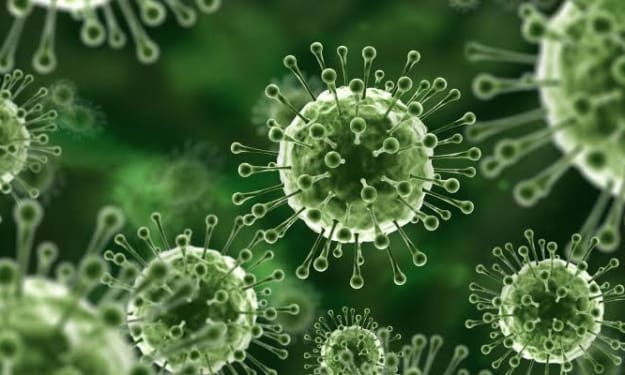
Deadly Nipah Virus Outbreak
In recent years, the world has become painfully familiar with viral outbreaks. From COVID-19 to Ebola, infectious diseases have repeatedly reminded humanity how fragile global health systems can be. Among these threats, the Nipah virus stands out as one of the deadliest and least understood viruses, capable of causing severe illness and sudden outbreaks with devastating consequences. Although Nipah virus outbreaks are relatively rare, their high fatality rate and lack of a specific cure make them a serious public health concern. Each new outbreak reignites fears and highlights the urgent need for awareness, preparedness, and global cooperation. What Is the Nipah Virus? The Nipah virus is a zoonotic virus, meaning it spreads from animals to humans. It was first identified in 1998 during an outbreak among pig farmers in Malaysia. Since then, cases have been reported mainly in South and Southeast Asia, including Bangladesh and India. Fruit bats, particularly those from the Pteropus species, are considered the natural carriers of the virus. These bats often show no symptoms but can transmit the virus to humans either directly or through intermediate hosts such as pigs. Human-to-human transmission has also been documented, making outbreaks especially difficult to contain. How Nipah Virus Spreads One of the most alarming aspects of the Nipah virus outbreak is how easily it can spread in certain environments. Common modes of transmission include: Direct contact with infected animals Consumption of food contaminated by bat saliva or urine, such as raw date palm sap Close contact with infected individuals, especially in healthcare or household settings In many affected regions, traditional practices and limited access to healthcare increase the risk of exposure. Once the virus enters a community, it can spread rapidly if preventive measures are not taken seriously. Symptoms and Severity The symptoms of Nipah virus infection can vary widely, which often makes early diagnosis difficult. Initial symptoms may resemble common illnesses, including: Fever Headache Muscle pain Vomiting and sore throat However, the disease can quickly progress to severe neurological complications such as encephalitis (brain inflammation). In advanced cases, patients may experience confusion, seizures, coma, and respiratory distress. What makes Nipah virus particularly deadly is its high mortality rate, which has ranged from 40% to as high as 75% in some outbreaks. Survivors may also suffer long-term neurological problems, significantly impacting their quality of life. Recent Outbreaks and Global Concern Each new Nipah virus outbreak raises international alarm, not only because of its fatality rate but also due to its potential to spark a larger epidemic. The World Health Organization (WHO) has listed Nipah virus as a priority pathogen, meaning it has the potential to cause a public health emergency with limited treatment options available. Recent outbreaks, even when limited to a few cases, have required massive public health responses, including contact tracing, quarantines, and community lockdowns. These measures, while effective, place immense strain on healthcare systems and local economies. The fear is not just about the present outbreak but about the virus’s potential to mutate and spread more efficiently among humans in the future. Why There Is No Cure Yet Currently, there is no specific antiviral treatment or approved vaccine for the Nipah virus. Medical care focuses on managing symptoms and providing supportive treatment, such as respiratory support and intensive care when needed. Several experimental treatments and vaccines are under development, but progress is slow due to the sporadic nature of outbreaks and limited funding compared to more widespread diseases. This lack of a cure makes prevention the most powerful tool in fighting Nipah virus outbreaks. Prevention and Control Measures Preventing a Nipah virus outbreak relies heavily on public awareness and early action. Key preventive strategies include: Avoiding consumption of raw or unprocessed foods that may be contaminated Limiting contact with bats and sick animals Using protective equipment when caring for infected individuals Strengthening infection control practices in hospitals Governments and health organizations also play a crucial role by monitoring potential hotspots, educating communities, and responding swiftly to suspected cases. The Role of Global Awareness The deadly nature of the Nipah virus is a stark reminder that global health threats do not respect borders. An outbreak in a small village can quickly become an international concern if ignored. This is why transparency, rapid reporting, and global cooperation are essential. Raising awareness through accurate information helps prevent panic while encouraging responsible behavior. Media outlets, healthcare professionals, and policymakers must work together to ensure communities understand both the risks and the protective measures. Looking Ahead As the world continues to recover from recent pandemics, the Nipah virus outbreak serves as a warning rather than a prediction. It highlights the importance of investing in research, strengthening healthcare infrastructure, and respecting the delicate balance between humans and wildlife. While Nipah virus may not yet be a household name, its potential impact is undeniable. Preparedness today can save countless lives tomorrow. By staying informed and supporting global health initiatives, humanity can reduce the risk posed by this silent but deadly threat.
By Saboor Brohi about 14 hours ago in Earth
The Duelist
The rays of a dying red sun flashed against the onrushing blade. The grey beards say the key to dueling lies in size, speed, reach, righteous fury, whatever the person in front of them pays them to say. Matteo knew better than any it was none of these and had an undefeated record on these sands to prove it.
By Matthew J. Fromm2 days ago in Fiction


Comments
There are no comments for this story
Be the first to respond and start the conversation.