
The Link Between Climate Change and Extreme Weather Events
Unveiling the Nexus: Exploring the Scientific Linkage between Climate Change and the Escalation of Extreme Weather Events

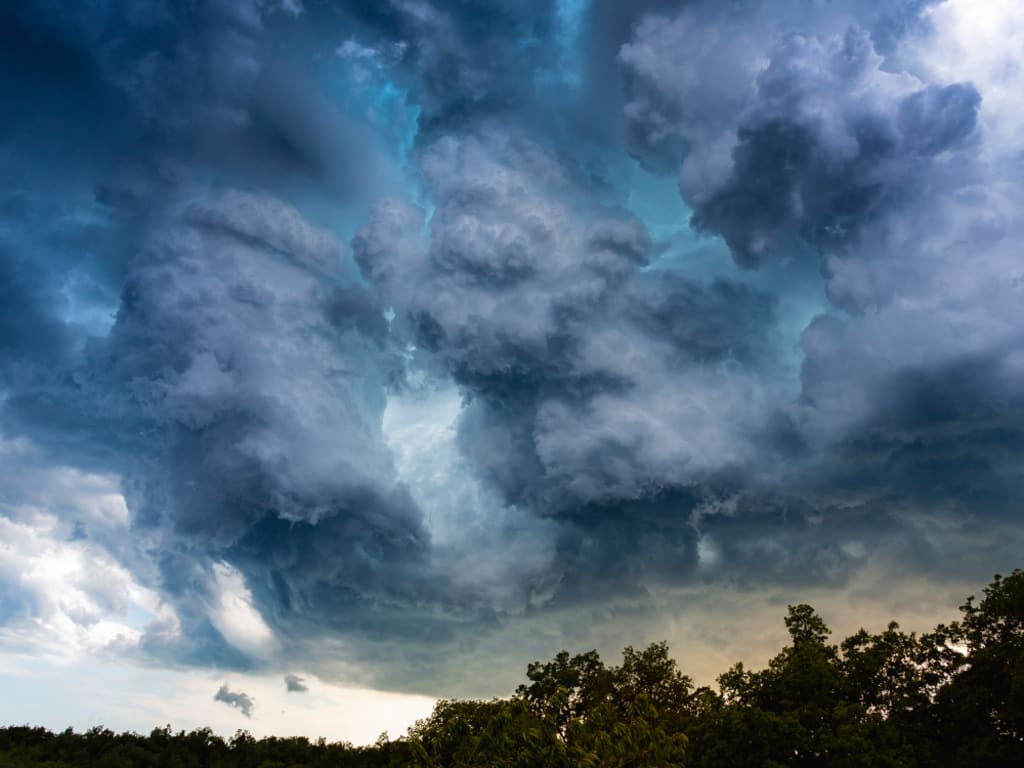
Climate change is one of the defining challenges of our time, with far-reaching impacts on the planet and its inhabitants. Among the many consequences of a warming climate, extreme weather events have become increasingly frequent and intense. From heatwaves and droughts to hurricanes and floods, these events pose significant risks to human lives, ecosystems, and socioeconomic systems. In this article, we will explore the link between climate change and extreme weather events, examining the scientific evidence and understanding the implications for our future.
Understanding Extreme Weather Events
Extreme weather events are characterized by their departure from normal or average weather patterns. They occur less frequently but with heightened intensity, exceeding the thresholds that communities and ecosystems are accustomed to. These events can manifest in various forms, such as heatwaves, heavy rainfall, storms, cyclones, wildfires, and more. Their impacts can be devastating, resulting in loss of life, displacement, infrastructure damage, crop failure, and ecological disruption.
Scientific Evidence of the Link
Over the past few decades, scientific research has provided compelling evidence for the connection between climate change and extreme weather events. Here are some key findings:
- Increased Frequency and Intensity: Climate change is associated with more frequent and intense extreme weather events. Heatwaves have become longer and hotter, precipitation events have become heavier, and tropical cyclones have intensified in some regions. These changes are consistent with the expectations of a warming climate.
- Attribution Studies: Attribution science aims to determine the role of climate change in specific weather events. Studies have found that human-caused climate change has significantly increased the likelihood and severity of events like heatwaves, heavy rainfall, and droughts in various parts of the world.
- Shifts in Probability Distribution: Climate change alters the probability distribution of weather events. It can shift the distribution towards more extreme events, increasing the likelihood of record-breaking heatwaves, extreme rainfall, and other extreme weather phenomena.
- Oceanic Influence: Warmer oceans due to climate change provide more energy for tropical cyclones, leading to an increase in their intensity. Rising sea levels also exacerbate storm surge impacts, amplifying the damage caused by hurricanes and typhoons.
- Arctic Amplification: The Arctic is warming at a faster rate than the rest of the planet, leading to reduced sea ice extent and altered atmospheric patterns. These changes can influence weather patterns in lower latitudes, potentially contributing to extreme events such as prolonged heatwaves or cold outbreaks.
Implications and Future Outlook
The increasing frequency and intensity of extreme weather events have profound implications for human and natural systems:
- Human Lives and Infrastructure: Extreme weather events pose risks to human lives, infrastructure, and communities. Heatwaves can result in heat-related illnesses and deaths, while floods and storms can lead to fatalities, injuries, and the destruction of homes and infrastructure.
- Food Security: Extreme weather events can disrupt agricultural production through droughts, floods, or heat stress, impacting food security and leading to increased food prices.
- Water Resources: Changes in precipitation patterns and increased evaporation due to heatwaves can affect water availability and quality, leading to water scarcity and potential conflicts over resources.
- Ecosystem Disruption: Extreme weather events can cause significant ecological disruptions. For example, wildfires can destroy habitats, leading to biodiversity loss, and intense storms can damage coral reefs and coastal ecosystems.
- Economic Impacts: The economic costs associated with extreme weather events are substantial. Direct damages to infrastructure, agriculture, and property, as well as indirect costs such as healthcare expenses and loss of productivity, can strain economies and hinder development.
Mitigating and Adapting to Extreme Weather Events
Addressing the challenges posed by extreme weather events requires a comprehensive approach:
- Mitigation: Reducing greenhouse gas emissions is crucial to limit the extent of future climate change and its associated extreme events. Transitioning to clean and renewable energy sources, promoting energy efficiency, and adopting sustainable land-use practices can all contribute to mitigation efforts.
- Adaptation: Building resilience and adaptive capacity is essential for communities and ecosystems to cope with the impacts of extreme weather events. This includes measures such as improving early warning systems, strengthening infrastructure, implementing sustainable water management practices, and enhancing disaster preparedness and response.
- Risk Assessment and Planning: Conducting thorough risk assessments, incorporating climate projections into planning processes, and implementing climate-smart policies can help inform decision-making and ensure that future development is more resilient to extreme events.
- Community Engagement and Education: Engaging communities and raising awareness about the risks and impacts of extreme weather events can foster preparedness, empower individuals to take appropriate actions, and facilitate community-based adaptation efforts.
The link between climate change and extreme weather events is becoming increasingly evident. Scientific research shows that a warming climate is contributing to the frequency, intensity, and duration of heatwaves, storms, floods, and other extreme events. Understanding this link is crucial for effective climate change mitigation and adaptation strategies. By reducing greenhouse gas emissions, building resilience, and implementing climate-smart policies, we can work towards minimizing the impacts of extreme weather events and safeguarding human lives, ecosystems, and socioeconomic systems from the consequences of a changing climate.
About the Creator
Gokhan Polard
As an experienced ERC Referral Specialist, my primary dedication lies in assisting businesses in the journey towards financial success. https://ercsolutionshub.com/
Keep reading
More stories from Gokhan Polard and writers in Earth and other communities.
How Carbon Offsetting Works and How it Can Help Combat Climate Change
Climate change is a global challenge that requires urgent and collective action. To mitigate the impacts of greenhouse gas emissions and reduce our carbon footprint, various strategies have been developed, including carbon offsetting. In this article, we will explore how carbon offsetting works, its potential benefits and limitations, and how it can contribute to combating climate change.
By Gokhan Polard3 years ago in Earth
Death Valley sees its most spectacular superbloom in a decade
One of the most extreme landscapes on the planet—Death Valley National Park—is currently experiencing an extraordinary natural event: its most spectacular wildflower superbloom in a decade. What is usually a stark expanse of sun‑baked desert has transformed into sweeping carpets of vibrant color, drawing visitors, scientists, and photographers to witness a rare and fleeting burst of life. This year’s bloom, described by the U.S. National Park Service as the most dramatic since 2016, is the result of unusually wet weather during the fall and winter months. Typically known as the hottest and driest place in North America, Death Valley averages only about two inches of rain annually. But from late autumn through early January, the region received more than its yearly average in a short span, creating ideal conditions for dormant wildflower seeds to sprout and burst into bloom. A Desert Transformed Normally a landscape of sand and jagged rock, this spring the valley floor has come alive with a riot of pinks, purples, yellows, and whites. Species such as Desert Gold, Phacelia, Sand Verbena, and Mojave Desertstar blanket the ground, creating scenes that defy Death Valley’s harsh reputation. Park officials and wildlife enthusiasts alike have expressed amazement at the scale of the bloom and the speed with which it has taken over the valley. “This area that’s known basically for hot weather, sand and dirt has just become this amazing landscape of colors,” said David Blacker, executive director of the Death Valley Natural History Association. “The smell is just amazing.” At lower elevations, the wildflower display is already widespread and expected to last through mid to late March, weather permitting. As temperatures gradually shift, blooms at higher elevations may continue into April and even through June, though the full extent of later displays will depend on ambient heat and moisture levels. Rain: The Key to the Bloom Superblooms in desert environments are extremely rare and hinge upon a delicate balance of weather conditions. In Death Valley, a confluence of well‑timed rainfall events and moderate winter temperatures created just the right environment for seeds that often lie dormant for years to germinate, grow, and flower. Abby Wines, acting deputy superintendent at the park, noted that the exceptionally wet period provided more moisture than the valley would typically receive in an entire year. This unusual rainfall allowed plants to take root and flourish, even in areas that ordinarily remain barren. Although the term “superbloom” doesn’t have a strict scientific definition, it is widely used by park officials and visitors to describe years when wildflower blooms exceed normal patterns in scale and intensity. These events usually happen only once every decade or so in Death Valley, adding to their scarcity and appeal. A Magnet for Visitors and Scientists The rare spectacle has drawn crowds of visitors who typically think of Death Valley as nothing more than a harsh landscape of sand dunes and heat. In recent days, photographers and nature lovers have flocked to well‑known viewing areas such as Badwater Basin, Jubilee Pass Road, and surrounding alluvial fans where blooms are especially dense. Park officials are encouraging visitors to follow “Leave No Trace” principles: staying on designated paths, avoiding picking flowers, and being mindful of fragile ecosystems. Because these blooms are so dependent on specific conditions, conservation‑minded behavior plays a key role in protecting future displays. For scientists and ecologists, the superbloom offers a unique opportunity to observe how desert ecosystems respond to atypical weather events. Flowering cycles in these environments are closely tied to climatic patterns, and scientists can gather valuable data that may inform understanding of ecological resilience in the face of climate variability A Fleeting Celebration of Life Despite the stunning display, the superbloom is temporary. Once the rains stop and the desert heats up, the flowers will quickly fade and set seed, leaving behind a memory of colors before the valley reverts to its usual starkness. Still, for those who have made the journey this spring, the sight of Death Valley awash in hues of gold, purple, and pink is a reminder of nature’s capacity to surprise—and a testament to the fragile beauty that can spring from even the harshest environments.
By Fiaz Ahmed 3 days ago in Earth


Comments
There are no comments for this story
Be the first to respond and start the conversation.