
The Life-Changing Power of Urban Farming.
Part One of 'The Future of Sustainable Cities' looks at the growing revolution of urban farming in inner cities around the world and how it is transforming communities.

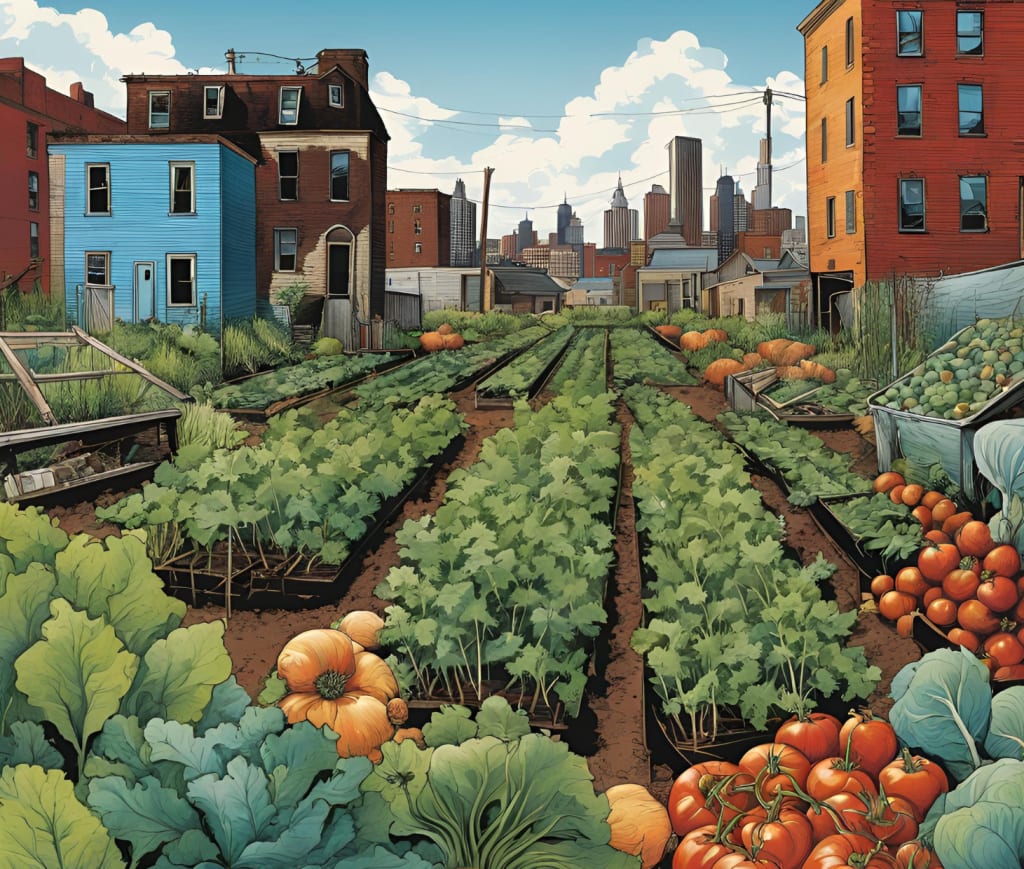
The stereotype many of us have of cities being soulless concrete jungles dominated by skyscrapers and highways, and colonies of bustling humans shuttling around in poison-emitting vehicles disconnected from the natural world, thinking about tomorrow and the next dollar while feeling stressed and burned out, has been subtly, almost imperceptibly, shifting before our very eyes.
While those with the means often escape to natural havens like forests and beaches to find peace and rejuvenation, many inner-city residents lack such options. For them, the struggle to feel connected to nature and maintain their well-being has led to a different solution: bringing green spaces into their own neighbourhoods. And this has been happening slowly and steadily for the last few decades through community gardens, guerrilla gardening, and urban farming.
Urban farming is revolutionising the urban landscape and never has the future of urban communities seemed so bright. Cities all around the world have been evolving into vibrant lush green spaces, transforming communities, developing education, health, employment, and most importantly, hope to many neighbourhoods.
And it seems that this is just the beginning.
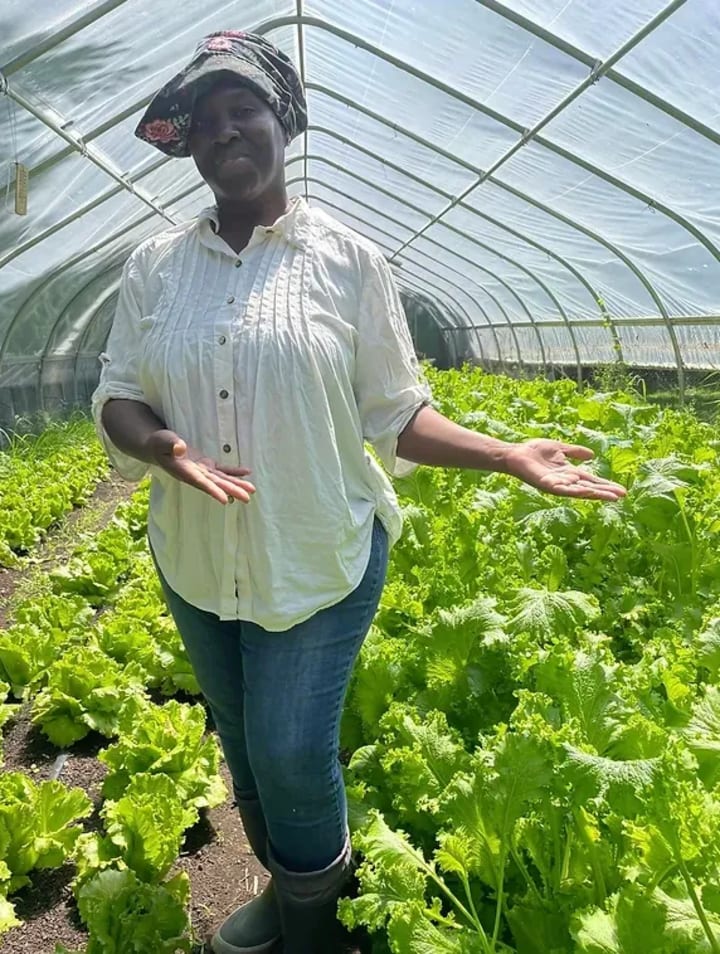
Detroit, Michigan. USA
The transformations have been most evident in low-income and crime-ridden areas, such as in Detroit, Michigan. Detroit was once a thriving city with the world’s largest automotive production, but with the collapse of the industry and the relocation of other factories to the suburbs, the city began to empty. Mass migration left the inner city falling into poverty and decay, with increasing unemployment and crime, particularly in black communities.
Abandoned houses in disrepair, empty lots and shells of buildings covered in graffiti, overgrown sidewalks, and cracked streets paint a bleak picture in these neighbourhoods. When supermarkets and grocery stores are several miles away and with limited public transportation available to reach them, the residents must rely on “fringe food” - convenience stores, liquor stores, gas stations, and fast-food establishments for their groceries.
But that is all changing thanks to an increasing number of local initiatives, not just in Detroit, but all around the USA and many other countries throughout the world. Food deserts are turning into fertile farms, providing fresh produce to thousands of households, and teaching skills that empower the disadvantaged. In Detroit alone there are now over 2,200 urban farms and community gardens.
The Detroit Black Community Food Security Network (DBCFSN) is a non-profit organisation started in 2006 which has been a powerful instrument for change among the young and old, offering youth programs at local schools and community-centred institutions, such as public education campaigns to make people aware of the impact of the industrialised food system on our planet, health and economics.
The DBCFSN Food Warriors program teaches young people all aspects of the food system – from food justice and environmental awareness to agriculture techniques and healthy food preparation. Their young adult programs help to develop leadership and entrepreneurial skills, and their farms produce fresh food for the elderly and others who are unable to access it.
They have also inspired the Michigan Urban Farming Initiative responsible for America's first ‘agrihood’ in Detroit which grows fresh, free produce to 2,000 households within two square miles of the farm, as well as to local markets, restaurants, and food pantries. An agrihood combines housing with shared green spaces where the residents participate in farming activities, encouraging community involvement and healthier lifestyles.
Supermarkets are typically owned by people who live outside the community and the profits don’t make their way back to the local communities who support them. Urban farming creates a sustainable community-driven food system that benefits both the producers and consumers. Urban farms are no longer seen as community pet projects, but profitable enterprises, and are continuing to grow in cities where they are most needed.
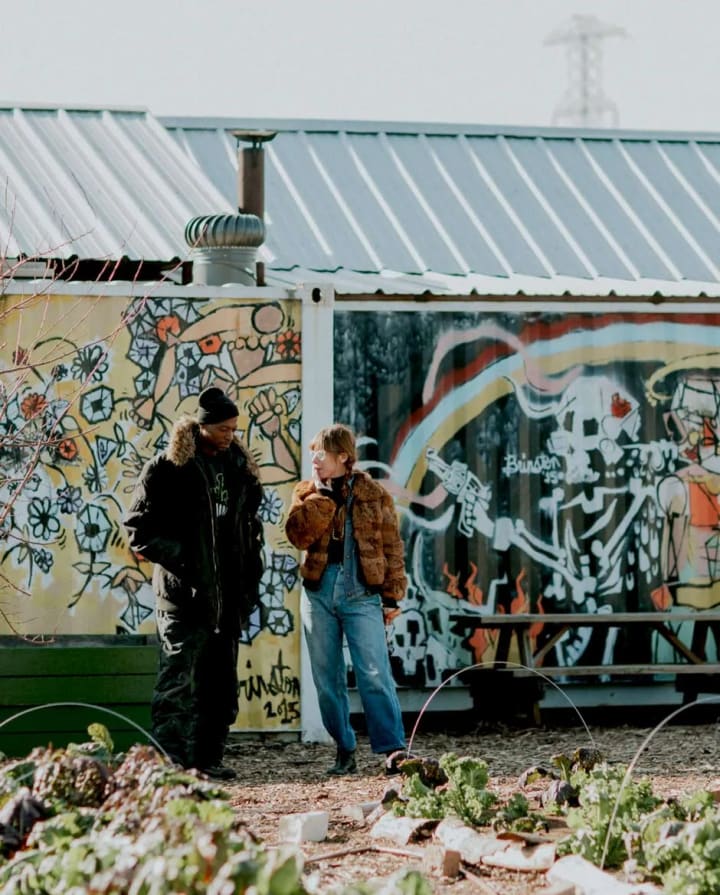
Dallas, Texas. USA
Staying in the US to give another example of how transformative urban farming can be to the local populace, let’s go to Bonton Farms in Dallas – one of the largest urban farms in America. In a community made up of 95% single parent households, who suffer high instances of heart disease, diabetes, cancer, and stroke, and where half the population of men under the age of 25 end up in prison, the south-side of Dallas has seen even greater positive effects through urban farming.
Despite the initial resistance from local councils, Bonton Farms has managed to open a garden market and café from their 42+ acres of farm, involving the community and teaching them to grow their own food, to work through challenges, develop an understanding of where their food comes from, and how to prepare nutritious meals. It’s proven to be a far better alternative to prison.
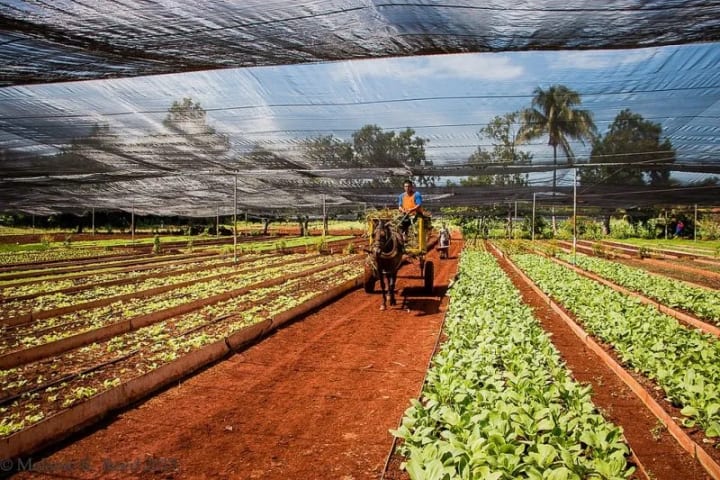
According to the Food and Agriculture Organization of the United Nations, 800 million people worldwide grow fruit or vegetables in cities, which is an incredible 15 to 20 percent of the world’s food.
The urban farm movement is growing in every corner of the world, allowing individuals to take back control over what they eat and how their food is grown. Increasingly, focus is on regenerative farming practices, restoring contaminated soil, minimizing water use and land fill, maximizing solar energy, and encouraging sustainable diets. Below are just a few examples of the kind of community-lead initiatives that are working so well in other countries.
Havana, Cuba
This city holds itself up as an exemplar of making the best of a desperate situation. After the USSR collapsed and the US trade embargo left Cuba with a dire shortage of food and other goods, Cubans took matters into their own hands and turned to urban farming.
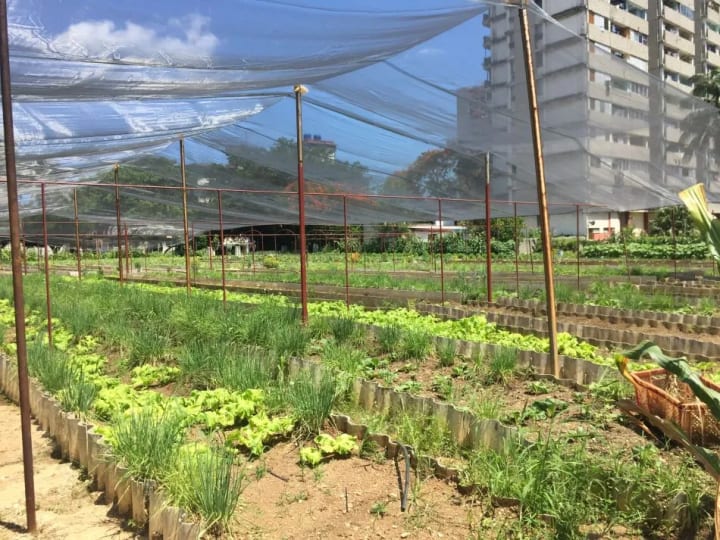
Around 27,000 hectares (66,700 acres) of land in Havana are dedicated to urban agriculture known as "organoponicos," which grows organic produce in urban environments. These urban farms produce up to 90% of the fresh produce consumed in the city.
Organoponics originated in Cuba as a way to increase food production and supplement their government salary through thousands of small private farms and urban market gardens, called parcelas. As chemical fertilizers were unavailable, there was no choice but to develop organic farming practices such as polyculture and crop rotation and learn the use of biopesticides and beneficial insects.
Abalimi Bezekhaya, Cape Town. South Africa
In the small Cape Flats settlements of Cape Town such as Khayelitsha, many families live below the poverty line and struggle with access to food. Abalimi Bezekhaya (Farmers of Home) is an NGO that supports local small-scale farmers by providing training, seeds, and tools for the locals to grow their own vegetable gardens at home, community or institutional gardens. The farmers sell surplus produce through their social enterprise, Harvest of Hope, which supplies organic food boxes to city residents, providing a much-needed source of income. Many participants are women which allows them financial independence and empowers them within their communities.
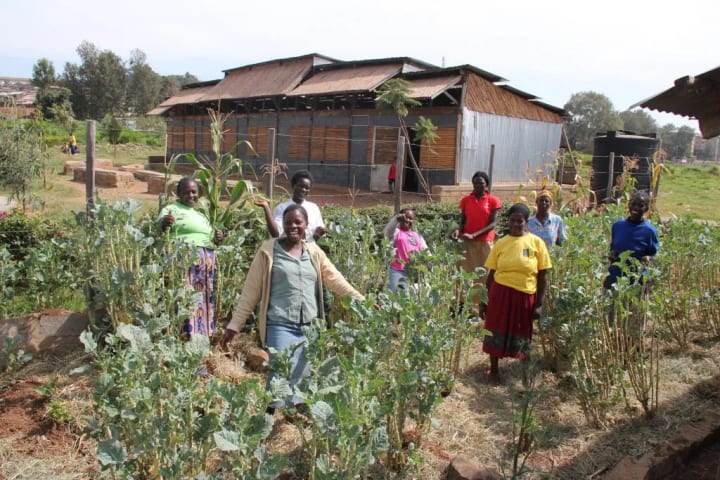
The Kibera Public Space Projects, Nairobi
As one of the largest slums in Africa, Kibera suffers from overcrowding and extreme poverty making it challenging to access fresh and nutritious food. When local residents initiated urban farming on the small patches of land available, they were able to grow nutrient-rich vegetables like kale and spinach. The farmers can also sell the surplus produce in nearby markets which is an indispensable source of income.
Hortas Cariocas, São Paulo. Brazil
In São Paulo’s favelas, or informal settlements, the residents face social and economic exclusion leading to limited access to nutritious food. But the Hortas Cariocas program has helped transform vacant urban spaces into community gardens which have provided work for young people and women and contributed to improved health and nutrition. The garden also act as green spaces that help mitigate urban pollution and reduce heat island effects.
Rosario, Argentina
Argentina turned to urban farming as part of their recovery after their economic collapse of 2001. The country launched the nationwide program ProHuerta in 1990 aimed at promoting food security and sustainability in urban and peri-urban areas. Focused on low-income communities, ProHuerta helps establish community gardens, school gardens, and home gardens in cities like Buenos Aires, Rosario, and Cordoba. Rosario’s Urban Agriculture Program (Programa de Agricultura Urbana, or PAU) dedicates around 800 hectares of urban land to agriculture, offering the low-income residents public land, and the tools and supplies needed to grow their own food.
Medellin, Colombia
In Medellín, Colombia, a program called Huertas con Vos (Urban Gardens with You), allows anyone with at least 10 square metres to grow their own food, providing tools, seeds, and training in sustainable agricultural techniques. What they don’t eat themselves, they can sell to local markets to supplement their income.
Bihar, India
In a city of almost 100 million people, urban farming is proving crucial as a way to feed the growing population. The city is in the process of creating more than 200 rooftop gardens with the state government to pay half of the ₹50,000 (about $600USD) necessary. These farms would provide healthy food and much-needed greenery for the city. Urban citizens would be given training in rooftop growing and the supplies they need, and gain extra income from selling their crops.
Benefits of Urban Farming
Urban farming is demonstrating over and over again the transformative power it has over disadvantaged communities, not just providing access to fresh fruit and vegetables in food deserts, but by improving mental and physical health through connection to the natural world. It boosts local economies, offers recreational opportunities, and fosters a sense of community.
Urban farms attract pollinators, such as bees and birds, which help local ecosystems; it reduces the need for long-distance transportation of food, lowering carbon emissions; it improves air quality, manages stormwater, and creates a cooling system for inner city heat. And, arguably one of the most important benefits of urban farming is how it is showing people where their food comes from; teaching young people sustainability, agriculture, and nutrition, and how to have a better relationship with their food.
Challenges of Urban Farming
While there are so many benefits to urban farming, it is not without its challenges. The red tape needed to launch many of these initiatives can be slow and time-consuming. Zoning laws, land use regulations, and government policies can pose a problem. And of course, there is the matter of the initial investment in infrastructure and technology, such as:
- Raised beds, greenhouses, hoop houses, or other garden-related structures.
- Basic farming tools (shovels, rakes, hoes) and equipment (tillers, tractors, or gardening supplies).
- Cost of compost soil when local soil is not available or contaminant-free.
- Soil testing and the cleaning of soil contamination from heavy metals.
- Irrigation systems, hydroponic systems, water tanks, or rainwater harvesting systems, along with ongoing water bills.
Despite these challenges, it all starts with a seed and a will to make a difference in your community. So where do we see the future of urban farming?
Future of Urban Farming
Urban farming isn’t just a trend; it’s a key solution to building resilient, thriving cities in a world of rapid urbanization and climate change. With urban populations expected to grow by 2.5 billion by 2050, urban agriculture will continue to feed our expanding cities. Future technologies such as AI, automation, data analytics, and drones are likely to drive this growth. These innovations will optimize yields and the use of resources, monitoring nutrient levels in real time. This will equip farmers to make informed decisions about crop selection and pest management, And, of course, the increasing use of renewable energy sources, like solar panels, will further reduce energy costs.
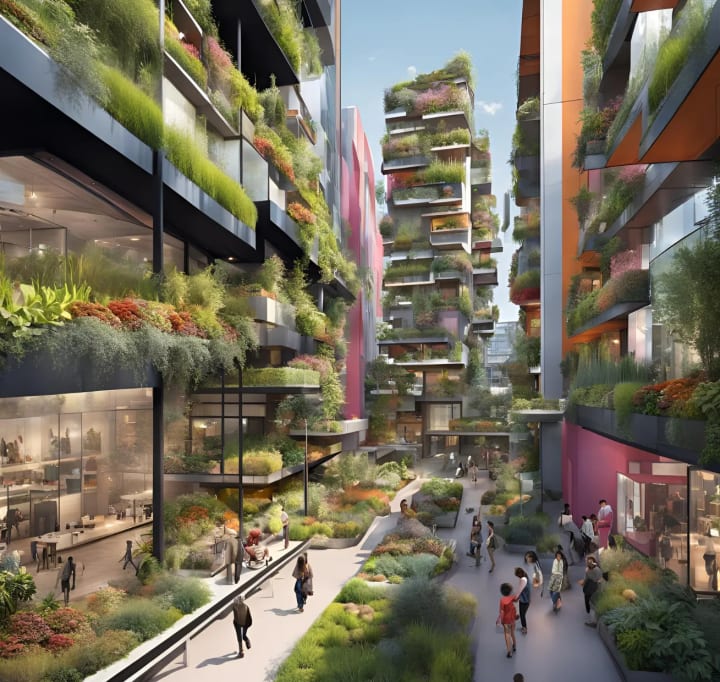
Urban planners must focus on incorporating green infrastructure into their development plans. The smart cities of the future need to rethink the way we organise communities and construct our buildings, with urban farms becoming a standard feature in every city. Sustainable and de-centralised food systems will reduce the energy required for food transportation, and in their place partnerships between local governments, businesses and urban farming start-ups could revolutionize our relationship to food, lessening our dependence on highly processed products and fresh food imports from distant countries.
The future of urban farming is exciting and full of possibilities. In my next article, I will explore how cities around the world are developing creative and innovative ways to enhance sustainability and promote green initiatives.
Let me know in the comments if your community is involved in community gardens or urban farms and the challenges it has had to overcome. :)
This article was originally published in A Plot to Hatch September 27th 2024. Subscribe for a FREE monthly newsletter.
About the Creator
Kimberley Silverthorne
Freelance writer based in the UK after 20 years in Spain. I write about the fascinating festivals and culinary delights of Spain at Food and Fiesta and the woes of food education around the world (among other things) at A Plot to Hatch.
Keep reading
More stories from Kimberley Silverthorne and writers in Earth and other communities.
ST JAMES AND OTHER CURIOUS LEGENDS OF THE CAMINO
The year is 1211 and the pilgrim has been walking for months, enduring all weather and three painful pairs of thin leather sandals. He’s on his final pair now and the last piece of dried meat and stale bread in his pouch is going to be a celebratory meal tomorrow when, at long last, he reaches his destination. The thick impenetrable forests, the mountains full of wolves and bears, the thieves and bandits, and the numerous fellow pilgrims wasting away in hospices will soon be forgotten as he beholds a glorious sight, a magnificent symbol of the miracles of God and His apostle St James — the cathedral of Santiago de Compostela — about to be consecrated by King Alfonso IX himself!
By Kimberley Silverthorneabout a year ago in History
The Wow! Signal
How a 72-second radio burst from deep space shocked SETI scientists and remains unexplained after 47 years On August 15, 1977, at 11:16 PM Eastern time, the Big Ear radio telescope at Ohio State University detected a radio signal from space so powerful, so precisely tuned, and so apparently artificial that astronomer Jerry Ehman, reviewing the computer printout data the next day, circled the signal's alphanumeric designation and wrote "Wow!" in red pen in the margin, giving the transmission its now-famous name and creating what remains the most compelling potential evidence of extraterrestrial intelligence ever detected despite nearly five decades of attempts to find the signal again or explain it through natural phenomena. The signal lasted exactly seventy-two seconds, the maximum time any object could be observed by the Big Ear telescope as Earth's rotation carried that section of sky through the telescope's field of view, and it was detected at a frequency of 1420 megahertz, the exact frequency that hydrogen atoms emit radiation, and this frequency is significant because hydrogen is the most abundant element in the universe and because international agreements prohibit terrestrial radio transmissions at this frequency precisely because scientists believe any intelligent civilization would use this frequency for interstellar communication, making it the logical channel to monitor when searching for alien signals.
By The Curious Writerabout 8 hours ago in Earth



Comments
There are no comments for this story
Be the first to respond and start the conversation.