
The Life and Habits of a Giraffe
"Reaching New Heights: Unveiling the Enigmatic Life and Habits of Giraffes"
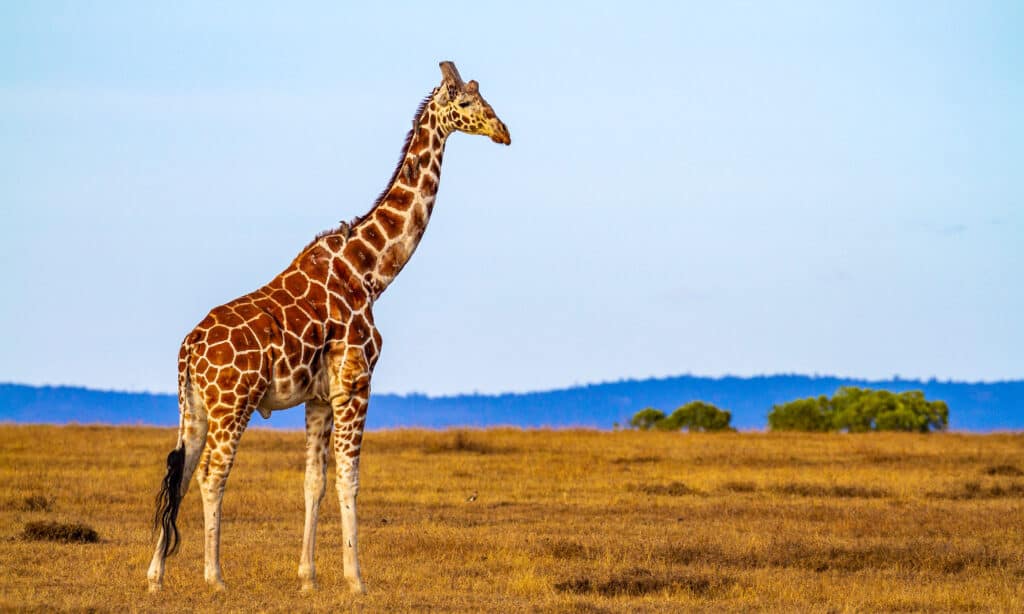
Giraffes, with their long necks, elegant posture, and distinct spots, are truly remarkable creatures. As the tallest mammals on Earth, giraffes have captivated the imagination of humans for centuries. In this comprehensive article, we delve into the life and habits of giraffes, exploring their physical characteristics, unique adaptations, social behavior, feeding habits, and much more. Join us on a captivating journey through the world of giraffes.
I. Physical Characteristics
Giraffes possess several striking physical features that make them instantly recognizable. Standing at an average height of 16 to 20 feet (4.8 to 6 meters) and weighing up to 3,000 pounds (1,360 kilograms), giraffes are giants of the animal kingdom. Their most prominent feature, of course, is their long neck, which can reach up to 6 feet (1.8 meters) in length. Additionally, giraffes have long, slender legs and a short, tufted tail. Their coat is adorned with a unique pattern of dark spots on a light background, which varies between individuals and subspecies.
II. Adaptations for Survival
To thrive in their natural habitat, giraffes have evolved several remarkable adaptations. Their long necks enable them to reach food in tall trees that other herbivores cannot access. Additionally, giraffes have a prehensile tongue, which is blue-black in color and can extend up to 20 inches (50 centimeters) long. This allows them to grasp and strip leaves from branches. Giraffes' powerful hearts pump blood up their long necks, preventing it from pooling and causing damage. Their legs are incredibly strong, allowing them to run at speeds of up to 35 miles per hour (56 kilometers per hour) when threatened.
III. Social Structure and Behavior
Giraffes exhibit complex social structures and behaviors. They live in loose herds, typically consisting of females and their offspring, led by a dominant male known as a bull. Male giraffes establish their dominance through necking, a behavior involving swinging their necks and heads to compete for mates. Giraffes communicate through a variety of vocalizations, such as moans, hisses, and snorts, as well as by swaying their necks or stamping their feet. Social interactions among giraffes are crucial for maintaining hierarchies and bonding within the group.
IV. Feeding Habits and Diet
Giraffes are herbivores, primarily feeding on the leaves and buds of acacia, mimosa, and other trees found in their habitat. Their long necks and tongues allow them to reach the leaves at heights other animals cannot. Giraffes have a unique browsing style, using their prehensile tongues to strip foliage from branches. They can consume up to 75 pounds (34 kilograms) of food daily, and their specialized liver and kidneys help process the thorny and toxic plant matter they ingest.
V. Reproduction and Life Cycle
The mating season for giraffes occurs throughout the year, but there is an increase in activity during the rainy season. During courtship, males engage in necking battles to establish dominance. Once a female is selected, the male will follow her closely until she is receptive to mating. After a gestation period of approximately 14 to 15 months, a single calf is born. The newborn giraffe, standing at around 6 feet (1.8 meters) tall and weighing about 100 to 150 pounds (45 to 68 kilograms), can typically stand within an hour of birth. Calves are incredibly vulnerable during their early stages and rely on their mothers for protection. They are weaned at around 6 to 12 months of age but may continue to stay close to their mothers for up to 2 years, learning essential skills for survival.
VI. Predators and Threats
Despite their towering stature, giraffes face various predators in their natural habitats. Lions are the primary threat to giraffes, particularly targeting young calves or weakened individuals. Other predators, such as hyenas and crocodiles, may also pose a risk. Additionally, habitat loss, poaching, and human-wildlife conflict are significant threats to giraffe populations. Conservation efforts are essential to protect these majestic creatures and ensure their survival in the wild.
VII. Distribution and Habitat
Giraffes are native to the African continent and can be found in several countries, including Kenya, Tanzania, South Africa, and Botswana. They inhabit savannas, grasslands, and open woodlands, where food sources such as acacia trees are abundant. Giraffes are well-adapted to these habitats, with their long legs allowing them to navigate through tall grass and their excellent eyesight providing them with a wide field of vision.
VIII. Fun Facts about Giraffes
Giraffes have the same number of neck vertebrae as humans, despite their much longer necks.
They have specially adapted valves in their neck arteries to regulate blood flow and prevent fainting when they lower their heads to drink water.
Giraffes' spots are unique to each individual, similar to human fingerprints.
They only need around 30 minutes of sleep per day, often taking short naps standing up.
Giraffes are incredibly silent animals and do not possess vocal cords, communicating mainly through body language and infrasound.
Conclusion
The life and habits of giraffes are a testament to the wonders of nature. From their impressive physical characteristics to their social behavior, feeding habits, and unique adaptations, giraffes continue to fascinate scientists and nature enthusiasts alike. Understanding and conserving these incredible creatures is vital to preserving the diversity and beauty of our natural world for generations to come
About the Creator
Keep reading
More stories from noman dhudhi and writers in Earth and other communities.
The Life and Habits of a Zebra
With their black and white stripes, zebras are among the most recognizable and beloved African animals. This equation has captivated the world with its unique appearance and interesting behavior. In this article, we look at the life and behavior of zebras, their social structure, eating habits, migration, and survival strategies.
By noman dhudhi3 years ago in Earth
Scientists Probe How Long-Term Spaceflight Alters Immunity
On Earth, a human body with a properly functioning immune system will work to overcome an infection. But in space, that same immune system will have to work a bit harder to overcome the same infection. In the isolated environment of the International Space Station, many factors — physiological stress, disrupted circadian rhythms, radiation, microgravity, and other spaceflight factors — can alter an astronaut’s immune response.
By Voice of Reality6 days ago in Earth
Review of 'Man on the Run'
My wife and I saw Man on the Run, a nearly 2-hour documentary on Amazon Prime, about Wings, Paul McCartney's group that flew around the world from shortly after The Beatles broke up in early 1970 to shortly after John Lennon was murdered at the end of 1980, making a Beatles reunion forever impossible.
By Paul Levinson6 days ago in Beat




Comments
There are no comments for this story
Be the first to respond and start the conversation.