
The Latest Trends in Wearable Technology and Fitness Tracking
Embracing a Tech-Driven Path to Optimal Health and Well-being
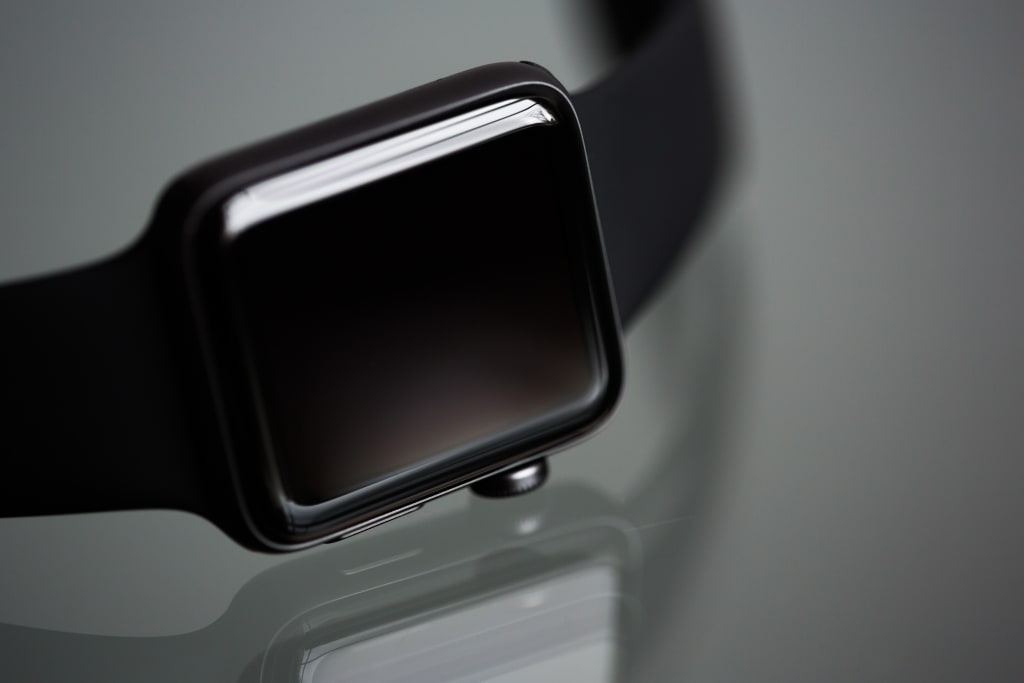
In recent years, the market for wearable technology has witnessed a remarkable surge, with an increasing number of individuals embracing devices that can monitor their health and fitness. These innovative gadgets have revolutionized the way we approach personal wellness, providing real-time data and insights to optimize our workouts, track our progress, and enhance our overall well-being. In this article, we will delve into the latest trends in wearable technology and fitness tracking, exploring the cutting-edge features, advancements, and future prospects of this rapidly evolving industry.
Integration of Health and Fitness Metrics
One of the prevailing trends in wearable technology is the integration of comprehensive health and fitness metrics into a single device. Earlier, fitness trackers primarily focused on step counting and calorie tracking. However, the latest wearables now offer a holistic approach by combining heart rate monitoring, sleep tracking, stress management, blood oxygen levels, and even advanced features like ECG (electrocardiogram) measurement.
This integration allows users to gain a deeper understanding of their overall health and fitness, enabling them to make more informed decisions regarding their well-being. By monitoring vital signs and sleep patterns, users can identify trends, set realistic goals, and make adjustments to their routines, ultimately leading to improved fitness levels and overall wellness.
Gamification and Social Engagement
Wearable technology has embraced the concept of gamification, leveraging the power of competition and social engagement to motivate individuals to stay active and achieve their fitness goals. Fitness apps and wearables now offer challenges, badges, leaderboards, and virtual rewards, transforming workouts into an interactive and enjoyable experience.
Additionally, the integration of social media platforms within these devices has facilitated virtual communities, where users can share their progress, compete with friends, and receive support and encouragement from like-minded individuals. This social component fosters a sense of accountability and motivation, making fitness tracking more engaging and sustainable.
Smartwatches: A Hub of Connectivity
Smartwatches have emerged as a prominent category within the wearable technology sector. These multifunctional devices are no longer limited to tracking fitness metrics but act as a hub of connectivity, seamlessly integrating with smartphones and other smart devices.
Modern smartwatches allow users to receive notifications, make calls, respond to messages, control music playback, and even make payments, all from their wrists. The ability to streamline various aspects of daily life through a single device has significantly contributed to the popularity of smartwatches, making them an indispensable companions for tech-savvy individuals.
Advanced Biometric Sensing
The continuous evolution of wearable technology has led to advancements in biometric sensing capabilities. In addition to heart rate monitoring, modern wearables can now measure blood pressure, electrodermal activity (EDA), and body temperature, and even assess advanced metrics like heart rate variability (HRV).
These sophisticated sensors provide users with a deeper understanding of their physiological responses to exercise, stress, and daily activities. By analyzing these data points, wearables can offer personalized recommendations and insights to optimize workouts, manage stress levels, and improve recovery, thereby facilitating more effective training and overall well-being.
Wearable Ecosystems and Health Platforms
To enhance user experiences and provide comprehensive health management, wearable technology companies are increasingly developing ecosystems and health platforms. These platforms integrate data from multiple devices, applications, and services, creating a centralized hub for health and fitness monitoring.
These ecosystems enable users to seamlessly sync data across various devices, access a broader range of features, and gain a comprehensive overview of their health metrics. Additionally, they often include features like personalized coaching, goal setting, and data analysis, empowering individuals to take proactive steps toward improving their well-being.
The Future of Wearable Technology and Fitness Tracking
As wearable technology continues to evolve, several exciting trends are expected to shape its future. Some of these include:
- Hybrid devices: The convergence of multiple technologies, such as smartwatches and fitness trackers, into hybrid devices that offer the best of both worlds.
- Advanced AI and machine learning: Utilizing AI and machine learning algorithms to analyze vast amounts of user data and provide highly personalized recommendations for exercise, nutrition, and overall well-being.
- Integration with medical devices: Seamless integration between wearable devices and medical equipment, allowing for remote patient monitoring, early detection of health issues, and improved healthcare outcomes.
- Sustainable design: A growing emphasis on sustainable materials and eco-friendly manufacturing processes to minimize the environmental impact of wearable technology.
Wearable technology and fitness tracking have come a long way, transforming the way we approach our health and wellness. With the integration of comprehensive health metrics, gamification, and social engagement, smartwatches as a hub of connectivity, advanced biometric sensing, and the development of wearable ecosystems, these innovative devices empower individuals to take charge of their well-being like never before.
Looking ahead, the future of wearable technology promises even more exciting advancements, including hybrid devices, advanced AI and machine learning, integration with medical devices, and sustainable design. As these trends continue to evolve, wearable technology will play an increasingly vital role in our quest for a healthier and more balanced lifestyle.
About the Creator
Keep reading
More stories from Samuel Aballa and writers in Earth and other communities.
Exploring the Rise of Virtual Reality in Gaming and Entertainment
Virtual Reality (VR) has come a long way since its inception, transforming the way we experience gaming and entertainment. What was once considered a futuristic concept has now become a tangible reality, captivating audiences worldwide. In this article, we will delve into the rise of virtual reality and explore how it has revolutionized the gaming and entertainment industries. From immersive gaming experiences to interactive storytelling, VR has opened up a world of possibilities for both developers and consumers alike.
By Samuel Aballa3 years ago in Earth
History of The Three Stooges (Part I: The Beginnings and Columbia Pictures - 1920s-1936)
I have been itching to write about The Three Stooges on Vocal for close to two years, but I couldn't figure out how to do it. I wanted to do it by third Stooge, but that's a bit complicated. I know this much. I was about eight or nine years old when I first saw The Three Stooges. I remember one of my local channels had the Stooges on for hours, and I tried my damnedest to be up for those shorts. I remember that the Family Channel actually had an hour of the Stooges on from 11PM to midnight, and it was the entire library on during that time.
By Clyde E. Dawkins4 days ago in Geeks



Comments
There are no comments for this story
Be the first to respond and start the conversation.