
The Language of the Stars
Decoding Celestial Messages
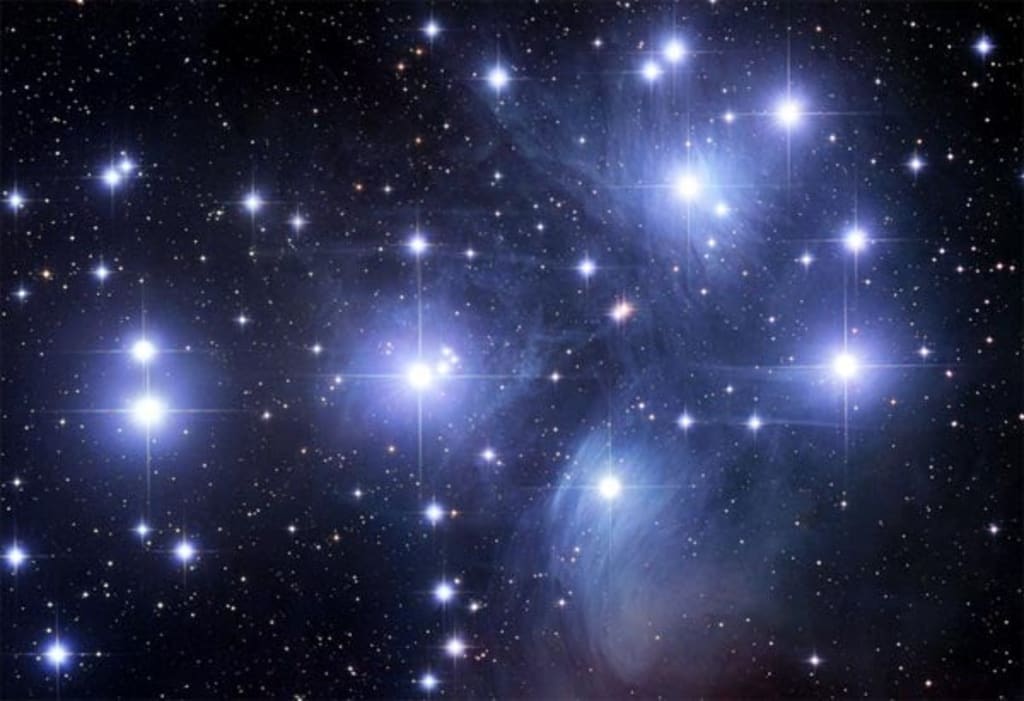
Discover the enchanting world of celestial messages and their significance in human history. This article explores the language of the stars, decoding the hidden messages that the cosmos holds for us. Unveil the mysteries of astrology, astronomy, and real-life examples that connect us to the vast universe.
Introduction
The night sky has always fascinated humanity. Gazing up at the celestial canvas filled with shimmering stars and distant planets, we find ourselves pondering our place in the vast cosmos. Ancient civilizations, such as the Egyptians, Greeks, and Mayans, looked to the stars for guidance, attributing profound meanings to their positions and movements. In this article, we embark on a journey to explore the language of the stars and decipher the celestial messages that have captivated minds for centuries.
Celestial Navigation: A Historical Perspective
The art of celestial navigation has been crucial to human exploration for millennia. Early seafarers used the stars as guides to traverse the open seas, unlocking new horizons and connecting distant lands. From the Polynesians' skillful navigation to the Norse Vikings' daring voyages, the stars served as their celestial maps, leading the way to uncharted territories.
Astrology: Unraveling the Stars' Influence on Human Lives
Astrology, the study of celestial bodies' positions and their influence on human lives, has intrigued cultures worldwide. From zodiac signs to horoscopes, astrologers believe that the stars have a profound impact on our personalities and destinies. While some consider it a pseudoscience, others find comfort in its insights and predictions.
Astronomy: The Science Behind the Stars
Astronomy, on the other hand, delves into the scientific study of celestial objects and phenomena. Telescopes and observatories allow us to peer deep into the universe, unveiling its vastness and complexities. Modern astronomy has significantly advanced our understanding of the cosmos, from discovering distant galaxies to exploring exoplanets that might harbor life.
The Celestial Events Calendar: Phenomena Beyond Earth
The universe presents us with mesmerizing celestial events throughout the year. From meteor showers like the Perseids to lunar and solar eclipses, these phenomena captivate stargazers worldwide. Witnessing these events reminds us of the grandeur and beauty of the cosmos.
Constellations: Myths and Legends in the Stars
Across cultures, constellations have been infused with captivating myths and legends. From Orion the Hunter to Ursa Major, these star patterns have inspired stories and fables, passed down through generations. Exploring these celestial tales helps us appreciate the rich cultural tapestry woven across the night sky.
The Language of Planets: Insights into Planetary Alignments
Intriguing alignments of planets have long been associated with significant events on Earth. Astrologers interpret these planetary configurations as symbols of change and transformation. Whether it's the rare occurrence of a planetary conjunction or a planetary retrograde, the language of planets speaks to us in subtle and profound ways.
Astrocartography: Mapping Your Destiny on Earth
Astrocartography, a relatively modern concept, charts the influence of planetary energies in different geographical locations. By studying one's astrocartographic map, individuals can gain insights into the most favorable places for personal growth, love, and career opportunities.
The Search for Extraterrestrial Intelligence (SETI)
As we explore the cosmos, the question of extraterrestrial life continues to intrigue us. The Search for Extraterrestrial Intelligence (SETI) employs radio telescopes and other technologies to detect potential signals from intelligent civilizations beyond Earth. Although we are yet to find conclusive evidence, the quest for understanding our place in the universe persists.
Astrological Synchronicities: Cosmic Serendipity
Astrological synchronicities are meaningful coincidences that occur between celestial events and personal experiences. Imagine making a life-changing decision, only to have it correspond with a rare celestial event. Many believe these synchronicities are the universe's way of affirming our paths.
The Impact of Celestial Events on Human History
Throughout history, celestial events have left profound imprints on human civilization. Ancient structures like Stonehenge and the Great Pyramids are believed to be aligned with celestial phenomena. Additionally, events like comets and eclipses have been associated with significant historical turning points.
Cultivating a Connection with the Cosmos: Modern Practices
In our fast-paced modern lives, reconnecting with the cosmos can be a grounding and transformative experience. Practices like stargazing, meditation under the night sky, and celestial photography help us establish a deeper connection with the universe.
Astrotheology: Celestial Beings in Religious Beliefs
Astrotheology explores the intersection of celestial bodies and religious beliefs. Various cultures have integrated celestial beings and cosmic symbolism into their spiritual narratives. From sun worship to moon deities, the divine and the celestial are intricately entwined.
Celestial Music: Harmonies of the Universe
Music has often been inspired by the celestial realm. Composers like Gustav Holst and Ludwig van Beethoven have composed pieces that mirror the grandeur of the cosmos. Listening to celestial-themed music can evoke a sense of wonder and awe.
Cosmic Mysteries: Dark Matter and Black Holes
The cosmos holds mysteries that continue to challenge our understanding. Dark matter, which cannot be directly observed, and black holes, where gravity becomes so intense that not even light can escape, are among the most enigmatic phenomena in the universe.
Celestial Navigation in Modern Times
While modern technology has made navigation easier, celestial navigation remains a valuable skill, especially in marine and aviation applications. Even with GPS systems, sailors and pilots often learn celestial navigation as a backup in case of technological failures.
Celestial Messages in Literature and Art
Literature and art have long been inspired by the stars. Poets, writers, and painters have crafted masterpieces that capture the celestial beauty and evoke contemplation about our place in the universe. From Vincent van Gogh's "Starry Night" to Carl Sagan's "Cosmos," the stars continue to kindle our creativity.
The Cosmos and Human Consciousness
Contemplating the cosmos can profoundly influence human consciousness. Philosophers and thinkers often explore the interconnectedness of all things and our place in the grand cosmic scheme. The night sky serves as a canvas for deep introspection and a reminder of our shared humanity.
Cosmic Coincidences: When the Universe Aligns
Have you ever experienced a cosmic coincidence that seemed too perfect to be random? Whether it's meeting a lifelong friend on a starlit night or receiving guidance during a celestial event, these moments of cosmic alignment are nothing short of magical.
Astrotherapy: Healing Through Celestial Wisdom
Astrotherapy combines astrology and therapy to help individuals gain insights into their emotional well-being. Therapists use astrological charts to assist clients in understanding their emotions, traumas, and potential growth areas, fostering healing and self-awareness.
Exploring the Celestial Sphere: A Starry Adventure
Venturing into the celestial sphere opens up a world of possibilities. Amateur astronomers and stargazers alike enjoy the thrill of discovering new constellations, observing planets, and encountering celestial wonders.
Frequently Asked Questions (FAQs)
Q: What is the difference between astrology and astronomy?
Astrology is the study of how celestial bodies' positions and movements influence human lives and personalities, while astronomy is the scientific study of celestial objects and phenomena in the universe.
Q: Can celestial events impact our emotions?
Many believe that celestial events can influence emotions and energy levels, leading to a range of experiences from heightened emotions to introspection.
Q: How can I start stargazing as a hobby?
To begin stargazing, find a dark location away from city lights, use binoculars or a telescope for better views, and familiarize yourself with popular constellations using stargazing apps.
Q: Are there cultures that do not believe in astrology?
Yes, some cultures and individuals do not believe in astrology and consider it a pseudoscience, attributing human traits and life events solely to free will and external circumstances.
Q: What is the significance of the North Star (Polaris)?
The North Star, or Polaris, has been a guiding light for navigators throughout history because it appears to remain nearly stationary in the night sky, pointing toward the Earth's North Pole.
Q: Can astrology predict the future?
Astrology is not meant to predict specific future events but rather to offer insights into possible life themes, challenges, and opportunities based on celestial positions at the time of birth.
Conclusion
The language of the stars holds a captivating allure, connecting us to the cosmos and the mysteries of the universe. From ancient celestial navigation to modern astrotherapy, the celestial messages continue to enrich our lives with meaning and inspiration. Embracing the wonders of the night sky reminds us of our place in the vast cosmos and encourages us to marvel at the beauty that surrounds us.
As we gaze upon the stars, let us remember that we are all made of stardust—bound by the same cosmic forces that shape the universe. The language of the stars whispers to us, inviting us to embark on a journey of self-discovery and interconnectedness with the celestial dance that has been unfolding since the dawn of time.
About the Creator
Keep reading
More stories from David kimani and writers in Earth and other communities.
Mystical Mountains
Introduction The world's mystical mountains have captivated human imagination for centuries, standing tall as guardians of both natural wonder and spiritual significance. From the soaring peaks of the Himalayas to the ancient mysteries of the Andes, these sacred mountains have left an indelible mark on the cultures and beliefs of the people who call them home. In this article, we embark on an extraordinary adventure, delving into the heart of these awe-inspiring wonders. Join us as we reveal the secrets and stories hidden within the Sacred Peaks of the World.
By David kimani3 years ago in Earth


Comments
There are no comments for this story
Be the first to respond and start the conversation.