
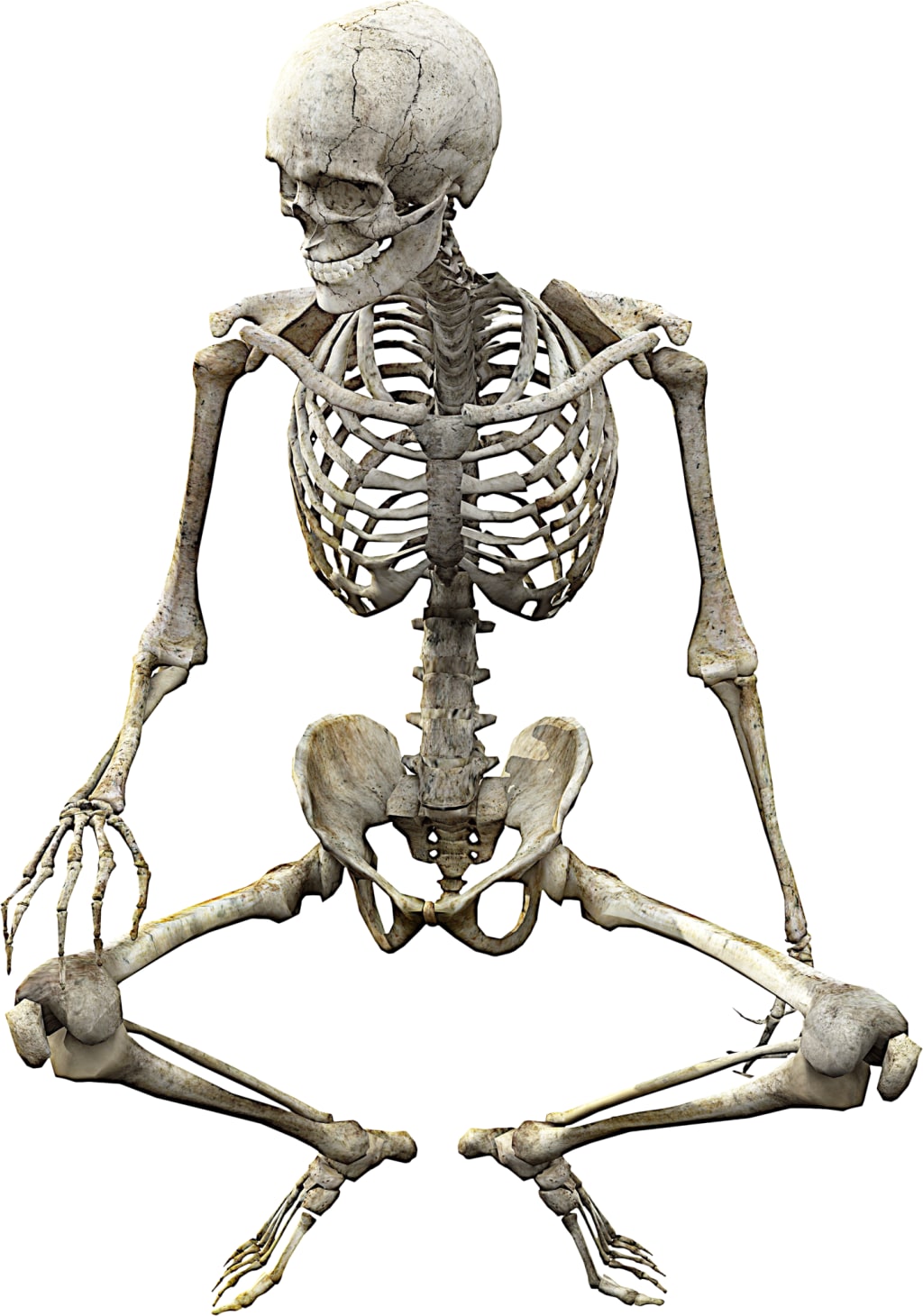
Death, the enigmatic and inevitable end of life, raises profound questions about what happens to our bodies once life ceases to animate them. The transition from life to death is a complex process that involves intricate changes within the body. In this exploration, we delve into the physiological and biochemical transformations that occur after death, shedding light on the intriguing journey our bodies undergo.
Immediate Changes
Upon death, the body begins to undergo immediate changes, collectively known as postmortem changes or decomposition. One of the first noticeable transformations is rigor mortis, the stiffening of muscles due to a lack of adenosine triphosphate (ATP), the energy currency of cells. Rigor mortis usually sets in within a few hours after death and gradually dissipates over the next 24-48 hours.
Simultaneously, the body's cells begin to undergo autolysis, a process where enzymes released by cells start breaking down their own structures. This autolytic process contributes to the softening of tissues and the overall breakdown of cellular integrity.
Decomposition Stages
As time progresses, the body enters various stages of decomposition. The first stage, known as the fresh stage, encompasses the initial hours and days after death. During this period, external signs of decomposition may be minimal, but internal processes are actively at play.
The next stages—bloat and decay—involve the accumulation of gases within the body, causing it to swell and giving rise to characteristic postmortem changes. Bacteria and enzymes continue breaking down tissues, leading to the release of gases such as methane and hydrogen sulfide. The distinctive odor associated with decomposition is a result of these gases.
In the advanced stages of decomposition, known as the post-decay stage, the body undergoes further breakdown, with bones becoming more prominent as soft tissues continue to degrade. Eventually, only skeletal remains may persist, marking the final stage of the decomposition process.
External Factors
Several external factors influence the rate and progression of decomposition. Environmental conditions, such as temperature, humidity, and the presence of insects, play crucial roles. Warmer temperatures accelerate decomposition, while colder temperatures slow it down. Insects, particularly beetles and maggots, contribute to the breakdown of tissues and can aid forensic experts in estimating the time of death.
Cultural and Religious Practices
Beyond the physiological and biochemical aspects, what happens to our bodies after death is also influenced by cultural and religious practices. Burial, cremation, and other funerary rituals differ widely across cultures and religions, reflecting diverse beliefs about the afterlife and the body's disposition.
In some cultures, the body is embalmed to delay decomposition, allowing for extended viewing periods during funerals. Others opt for natural burial practices that facilitate a more rapid return of the body to the earth. Cremation, the process of reducing the body to ashes, is a common practice in many cultures, symbolizing a transformation from physical form to spiritual essence.
Conclusion
The journey our bodies embark upon after death is a multifaceted process shaped by biological, environmental, and cultural factors. From the immediate changes of rigor mortis and autolysis to the progressive stages of decomposition, our bodies undergo a transformative process that ultimately returns them to the elements.
Understanding the intricate dance of life and death not only deepens our appreciation for the complexity of the human body but also prompts contemplation about the mysteries that lie beyond the threshold of mortality. Whether viewed through a scientific lens or within the context of cultural and religious beliefs, the fate of our bodies after death remains a compelling and profound aspect of the human experience.
Hope you had fun reading <3
About the Creator
Fixit
Intrested in everything open minded
Dolphins and Orcas Can’t Evolve Back to Land, Scientists Say
For decades, scientists and enthusiasts have speculated about the possibility of dolphins, orcas, and other cetaceans evolving back onto land. After all, these marine mammals originated from land-dwelling ancestors millions of years ago. However, recent research confirms what many evolutionary biologists suspected: dolphins and orcas cannot evolve back to live on land.
By Aarif Lasharia day ago in Earth
Temperatures Tomorrow Thursday Drop to Minus 15 Below Zero
Temperatures Tomorrow Thursday Drop to Minus 15 Below Zero Extreme winter conditions are expected tomorrow, Thursday, as temperatures fall to minus 15 below zero. This level of cold is considered severe and can disrupt daily life, transportation, and personal safety. When temperatures reach this extreme, preparation becomes essential, not optional. Understanding the impact of such cold weather helps people make better decisions and stay safe.
By America today about an hour ago in Earth




Comments
There are no comments for this story
Be the first to respond and start the conversation.