
The Internet of Things (IoT): Connecting Devices for a Smarter Future
The IoT: Unleashing the Power of Connectivity and Innovation
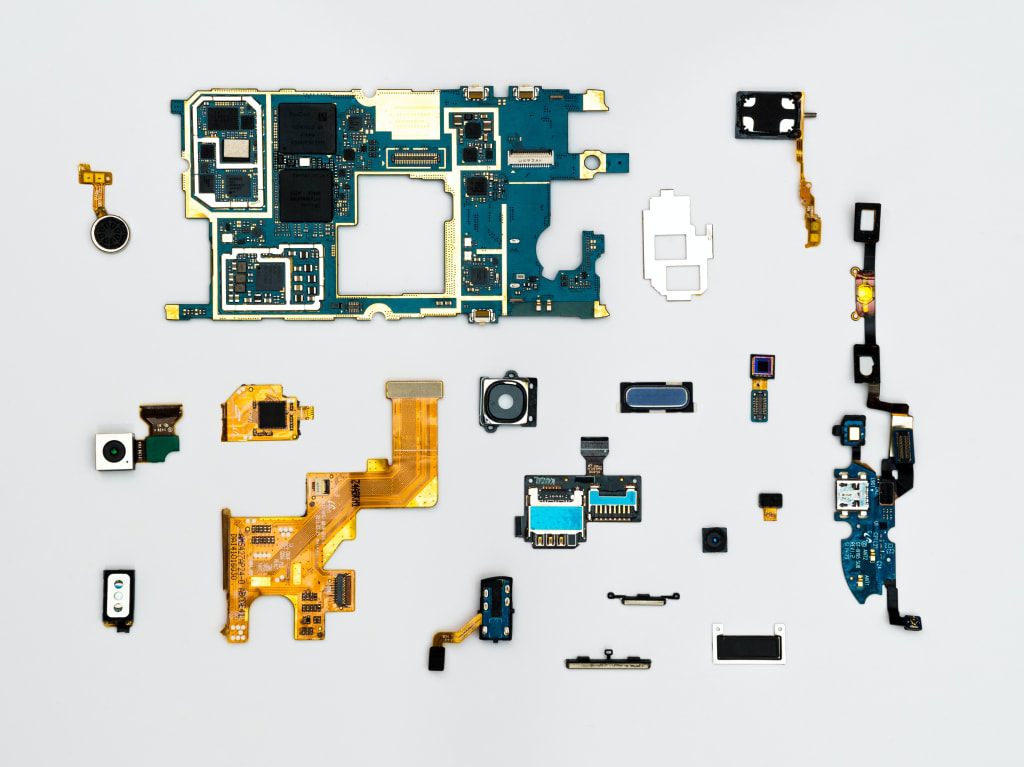
In today's digitally driven world, the Internet of Things (IoT) has emerged as a transformative force, connecting devices and revolutionizing the way we live and work. With the ability to seamlessly interconnect everyday objects, the IoT is paving the way for a smarter, more efficient future. In this article, we will explore the concept of the Internet of Things, its potential applications, and the impact it is likely to have on various aspects of our lives.
At its core, the Internet of Things refers to the network of physical devices, vehicles, appliances, and other objects embedded with sensors, software, and connectivity capabilities. These devices can collect and exchange data over the internet, enabling them to interact with each other and with us, making our lives more convenient and efficient.
One of the key promises of the IoT lies in its ability to enhance productivity and efficiency in various industries. For instance, in manufacturing, IoT-enabled sensors can monitor equipment performance and alert maintenance personnel in real-time, minimizing downtime and reducing costs. Similarly, in agriculture, connected devices can provide farmers with valuable data on soil moisture levels, weather patterns, and crop health, enabling them to optimize irrigation, increase yields, and reduce water waste. From healthcare to transportation, the IoT is transforming industries by streamlining processes, improving decision-making, and enhancing overall operational effectiveness.
Beyond industry applications, the IoT is reshaping our homes, creating a more interconnected and convenient living environment. Imagine waking up in the morning as your smart alarm clock syncs with your coffee machine to start brewing your favorite blend. As you step into the bathroom, your smart mirror displays the weather forecast and your schedule for the day. Your refrigerator sends you a notification reminding you to pick up groceries on your way home. All of these interconnected devices are part of the IoT ecosystem, working together to simplify and enhance our daily lives.
Moreover, the IoT has the potential to revolutionize healthcare, leading to better patient care and outcomes. Connected devices can monitor patients' vital signs remotely, enabling healthcare professionals to track their health conditions and intervene in real time if necessary. This technology is particularly valuable for elderly or chronically ill patients who can benefit from continuous monitoring without the need for frequent hospital visits. Additionally, IoT-enabled wearable devices, such as fitness trackers, can empower individuals to take control of their health by providing personalized data and insights about their activity levels, sleep patterns, and overall well-being.
While the IoT offers numerous advantages, it also raises concerns regarding data privacy and security. With an increasing number of devices connected to the internet, the potential for data breaches and unauthorized access becomes a significant challenge. Therefore, robust security measures must be implemented to safeguard sensitive information and protect against cyber threats. Manufacturers, developers, and users all play a vital role in ensuring that IoT devices are secure, regularly updating software, and following best practices to mitigate risks.
As the IoT continues to evolve, so does its impact on society and the economy. According to estimates, the number of connected devices is projected to reach 75 billion by 2025, underscoring the rapid growth and widespread adoption of this technology. This exponential increase in connectivity has the potential to generate vast amounts of data, leading to the emergence of new business models and opportunities. Companies can leverage the insights gained from IoT devices to enhance customer experiences, tailor products and services, and drive innovation across various sectors.
Furthermore, the IoT has the potential to contribute to a more sustainable future. By optimizing resource utilization and reducing waste, connected devices can help tackle environmental challenges. Smart energy grids, for instance, can balance electricity supply and demand more efficiently, leading to reduced energy consumption and lower carbon emissions. Similarly, smart buildings equipped with IoT sensors can adjust heating, ventilation, and lighting based on occupancy, resulting in energy savings and improved comfort for occupants. Through these and other applications, the IoT can contribute to the creation of greener, more sustainable cities.
In conclusion, the Internet of Things is revolutionizing the way we interact with our environment, offering unprecedented connectivity and transforming industries across the board. From streamlining operations and improving productivity to enhancing healthcare and creating smarter homes, the IoT holds tremendous potential for a brighter future. However, it is crucial to address privacy and security concerns and establish robust frameworks to harness the benefits of this technology fully. With careful implementation and continued innovation, the IoT is poised to shape our world and pave the way for a truly interconnected and smarter future.
About the Creator
Keep reading
More stories from Samuel Aballa and writers in Earth and other communities.
How Drones are Revolutionizing Industries from Agriculture to Filmmaking
In recent years, drones have emerged as one of the most remarkable technological advancements with the potential to revolutionize various industries. Originally developed for military purposes, drones, also known as unmanned aerial vehicles (UAVs), have found their way into diverse sectors, from agriculture to filmmaking. These versatile flying machines offer unique capabilities that are transforming the way tasks are performed, providing unprecedented efficiency, accuracy, and creativity. In this article, we will explore how drones are revolutionizing industries, and delve into their applications in agriculture and filmmaking.
By Samuel Aballa3 years ago in Earth
The Universe That Dreams Us
For centuries, humanity believed the universe was expanding. Galaxies drifting farther apart. Space stretching endlessly like an invisible fabric. The theory had been supported by decades of observations, especially from the famous Hubble Space Telescope, which showed distant galaxies moving away from Earth in every direction.
By Abubakar2207 days ago in Earth


Comments
There are no comments for this story
Be the first to respond and start the conversation.