
The Importance of Oceans and Rivers in Our Lives
Water is life

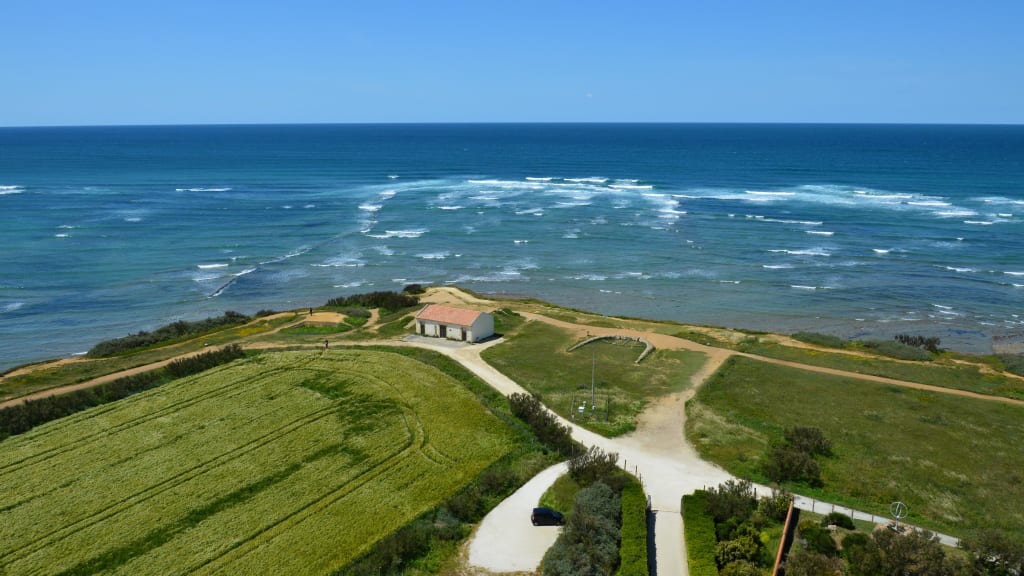
Oceans and rivers, the vast bodies of water that adorn our planet, play a vital role in shaping and sustaining life as we know it. From the earliest civilizations to the present day, human societies have relied on these majestic waterways for their survival, development, and prosperity. The significance of oceans and rivers in our lives is immense, impacting everything from climate regulation and food production to trade and transportation.
Size and Area:
Oceans cover approximately 71% of the Earth's total surface area, amounting to about 361 million square kilometers. The major oceans are the Atlantic Ocean, Indian Ocean, Pacific Ocean, and Southern Ocean. These immense water bodies serve as the fundamental source of life for animals, plants, and humans alike.
While rivers constitute only a small portion of the Earth's total water volume, they are distributed in harmony with different geographical features and climates across the world. Significant rivers include the Nile, Amazon, Mississippi, and Yangtze rivers. Rivers are vital sources of irrigation, agriculture, drinking water, and energy production.
Water Volume:
The Earth's oceans have a total water volume of approximately 1,332 million cubic kilometers. This vast amount of water has a significant impact on the environment. For instance, oceans absorb and distribute solar heat, regulating the planet's temperature balance and influencing global climate patterns.
The total water volume of rivers is about 105.5 thousand cubic kilometers. This water is a crucial resource for agricultural irrigation, industrial use, drinking water, and hydroelectric energy production. Rivers also contribute to environmental shaping through processes such as erosion and sediment transportation.
Biodiversity and Ecosystems:
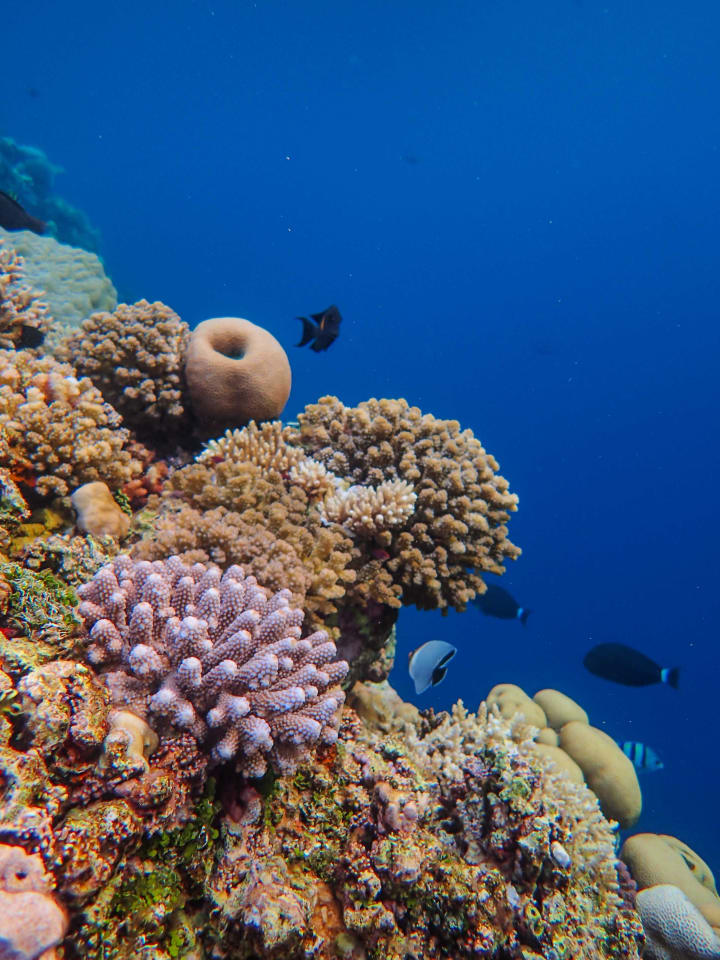
Oceans and rivers support some of the most diverse ecosystems on Earth. Oceans, in particular, are home to numerous marine species, ranging from whales and sea turtles to colorful coral reefs. Similarly, rivers host a variety of freshwater fish, waterfowl, and aquatic plants.
Sustaining the biodiversity of ocean and river ecosystems is critical. However, human activities such as pollution, overfishing, and climate change pose significant threats to these delicate ecosystems.
Climate Regulation:
Oceans play a crucial role in climate regulation. They absorb and store heat from the sun, distributing it through ocean currents, which contribute to the formation of weather patterns and climate systems worldwide.
Rivers also have an environmental regulation function. Rivers near cities and agricultural areas play a role in regulating local climates through their water-carrying capacity and flood prevention effects. Additionally, surface water evaporation from rivers can influence local humidity and precipitation levels.
Food Production:
Oceans are a primary source of food for billions of people worldwide. Fisheries provide a substantial portion of global protein intake, supporting the nutritional needs of coastal communities and beyond. Fish and other marine products are rich sources of protein and other nutrients.
Rivers contribute to food production by providing irrigation water to surrounding agricultural lands. Agriculture plays a vital role in feeding the world's population, and riverbanks often support fertile soils for agricultural purposes.
Energy Production:
Hydropower generated from flowing water in rivers and dams is a clean and renewable energy source. Dams and hydropower facilities convert the kinetic energy of moving water into electricity, making hydropower an environmentally friendly and sustainable method of energy production.
While oceans do not directly produce energy, they are being explored for potential renewable energy sources such as wind and wave energy.
Transportation and Trade:
Throughout history, oceans and rivers have been essential routes for transportation and trade. Maritime transportation has connected different continents and countries, facilitating international trade and cultural exchange. Ports and sea routes have been central hubs for global trade.
Rivers connect inland regions to the seas, facilitating local and regional trade. Rivers are major transportation routes for commercial ships and transport vehicles, and they play a crucial role in the development of industrial areas.
Recreation and Tourism:
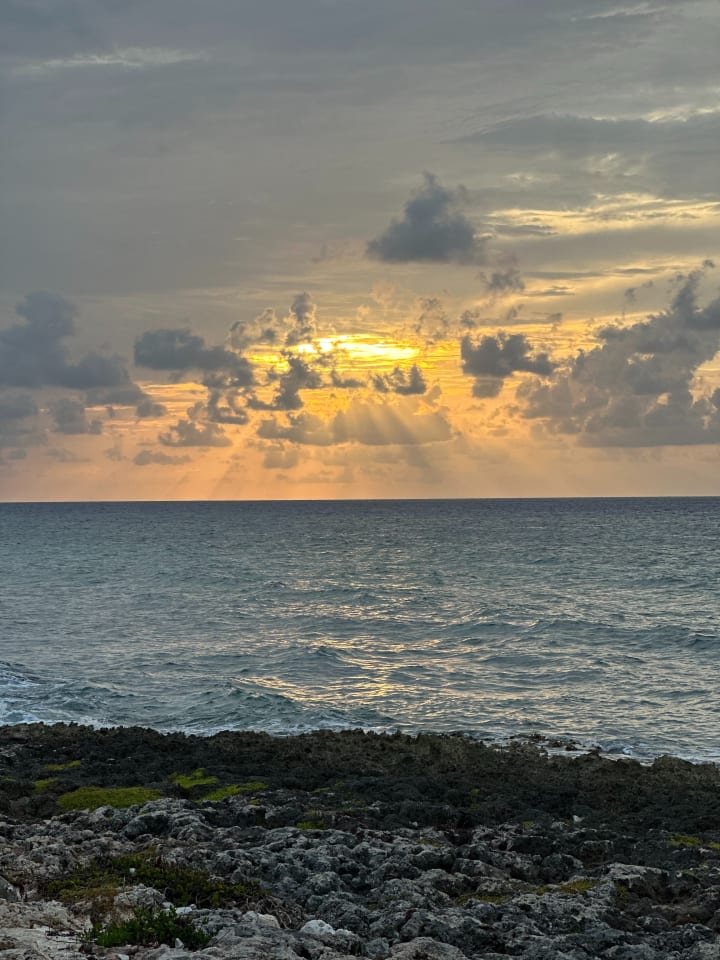
Oceans and rivers provide opportunities for recreation and tourism. Coastal areas and riverfronts are popular tourist destinations, attracting visitors seeking relaxation, adventure, and a connection with nature. Water activities such as boat tours, sailing, surfing, diving, and fishing are popular tourist attractions.
Bike tours, picnics, and nature hikes along riverbanks are also popular recreational activities.
Social and Cultural Bonds:
Oceans and rivers are integral to the social and cultural fabric of human communities. Fishing and maritime traditions hold significant cultural value in many societies. Festivals and events celebrating fishing and maritime heritage are an essential part of cultural identity, shaping the communities' values.
Similarly, rivers are vital to local cultural connections and traditions. Towns and villages along riverbanks often preserve local cultures and traditions. Festivals and events held near rivers provide opportunities for communities to come together and celebrate cultural unity.
In conclusion, oceans and rivers are vital water resources at the heart of our lives. These vast water bodies play critical roles in climate regulation, food production, transportation, and culture. However, environmental threats and human activities pose challenges to these essential water resources. Thus, sustainable water resource management and conservation are of utmost importance for the well-being of our planet and future generations.
About the Creator
Dovran
Hi I love read and write
Mother of Elon Musk’s Child Sues xAI Over Grok Deepfakes
Imagine waking up one day to find realistic, sexually explicit images of yourself circulating online—and you never agreed to them. For Ashley St. Clair, the mother of one of Elon Musk’s children, this nightmare became reality. She is now suing xAI, Elon Musk’s AI company, alleging that its chatbot Grok generated harmful deepfake images of her, including depictions of her as a minor and in sexualized contexts.
By Aarif Lasharia day ago in Earth
Smart phones, Humans and Aliens.
WARNING. I will be tapping into one of your favorite creative tensions: The absurdity of humans worshipping their glowing rectangles as if they were tiny oracles. There’s something deliciously poetic about that contradiction, and it lends itself beautifully to an instructive proviso.
By Novel Allen4 days ago in Poets




Comments
There are no comments for this story
Be the first to respond and start the conversation.