
The Importance of Green Building Practices for Energy Efficiency
Harnessing Green Building Practices for Energy Efficiency and Environmental Stewardship

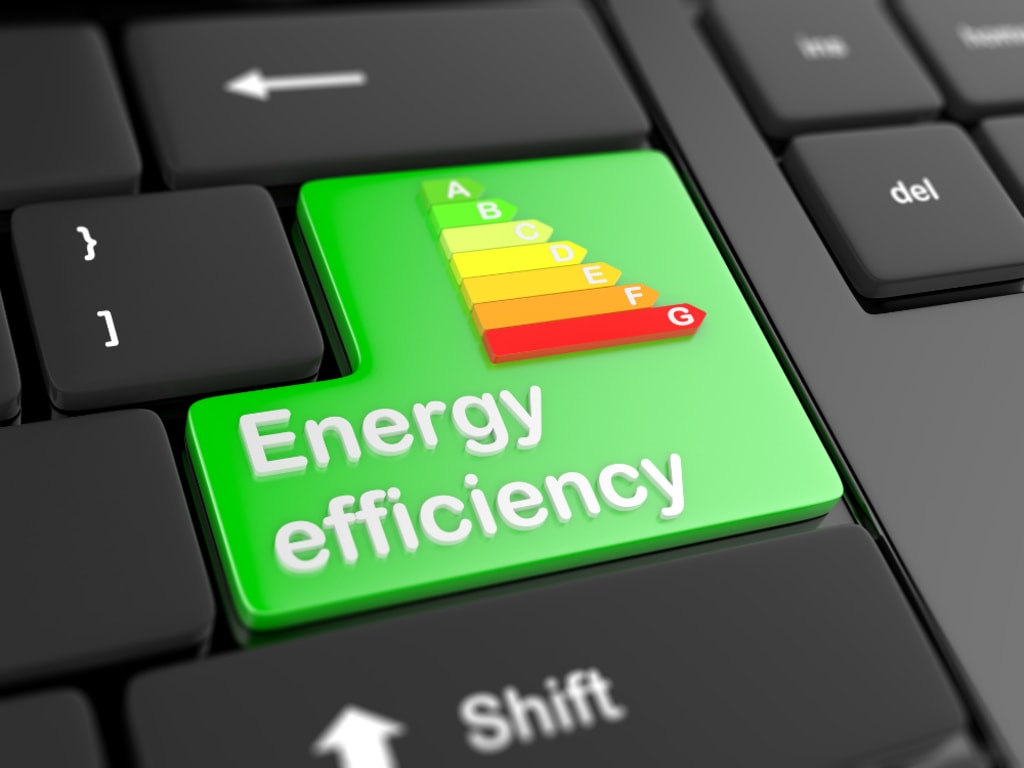
In an era of increasing environmental consciousness and the urgent need to address climate change, green building practices have emerged as a crucial solution for promoting energy efficiency and sustainability in the built environment. By integrating innovative design, materials, and technologies, green buildings minimize energy consumption, reduce carbon emissions, and create healthier, more comfortable spaces for occupants. This article explores the importance of green building practices in achieving energy efficiency and highlights their environmental, economic, and social benefits.
Energy Consumption in the Building Sector
The building sector accounts for a significant portion of global energy consumption. From residential homes to commercial buildings, energy is consumed for heating, cooling, lighting, appliances, and other operational needs. Traditional buildings often rely on fossil fuel-based energy sources, leading to greenhouse gas emissions and contributing to climate change. Green building practices offer a sustainable alternative by prioritizing energy efficiency and reducing the overall energy demand.
Energy Efficiency and Reduced Carbon Emissions
Green building practices emphasize energy-efficient design, construction, and operation. High-performance insulation, efficient HVAC systems, smart lighting, and energy management systems are some of the key features incorporated into green buildings. These measures significantly reduce energy consumption, resulting in lower carbon emissions and a smaller ecological footprint. By curbing greenhouse gas emissions, green buildings play a vital role in mitigating climate change and achieving global carbon reduction targets.
Renewable Energy Integration
Green buildings often incorporate renewable energy technologies, such as solar panels, wind turbines, and geothermal systems, to generate clean and sustainable energy on-site. By harnessing renewable energy sources, green buildings can further reduce dependence on fossil fuels, decrease reliance on the grid, and promote a transition to a low-carbon energy system. The integration of renewables in buildings contributes to the decarbonization of the energy sector and enhances energy independence.
Life Cycle Assessment and Embodied Energy
Green building practices take into account the entire life cycle of a building, including the materials used in construction and their environmental impact. Life cycle assessment (LCA) is a comprehensive approach that evaluates the environmental performance of a building from raw material extraction to disposal or reuse. By considering embodied energy, which refers to the energy consumed in the extraction, manufacturing, and transportation of building materials, green buildings strive to minimize the environmental impact associated with the entire life cycle.
Indoor Environmental Quality and Health Benefits
Green buildings prioritize the health and well-being of occupants by focusing on indoor environmental quality (IEQ). Enhanced ventilation, natural daylighting, low-VOC (volatile organic compound) materials, and improved acoustics are key elements of green building design. These measures contribute to a healthier indoor environment, reducing the risk of respiratory issues, allergies, and other health-related problems. By creating healthier spaces, green buildings improve occupant productivity, satisfaction, and overall well-being.
Water Efficiency and Conservation
Green building practices extend beyond energy efficiency to address water conservation and efficiency. Water-saving fixtures, rainwater harvesting systems, and wastewater treatment technologies are incorporated to minimize water consumption. By reducing the strain on water resources, green buildings contribute to sustainable water management and promote responsible water use.
Economic Benefits and Cost Savings
While there may be initial costs associated with green building practices, the long-term economic benefits outweigh the upfront investment. Green buildings offer significant energy cost savings through reduced operational expenses. Energy-efficient design, efficient systems, and renewable energy integration result in lower utility bills over the building's lifespan. Additionally, green buildings often enjoy higher property values, reduced vacancy rates, and enhanced marketability, providing a competitive advantage in the real estate industry.
Job Creation and Economic Growth
The adoption of green building practices stimulates job creation and economic growth. Green construction requires skilled workers in areas such as sustainable design, energy management, renewable energy installation, and green building materials manufacturing. The transition to a green building sector fosters innovation, spurs investment, and generates employment opportunities in both urban and rural areas.
Regulatory Support and Incentives
To promote the adoption of green building practices, governments and regulatory bodies provide incentives, certifications, and standards. Green building rating systems, such as LEED (Leadership in Energy and Environmental Design) and BREEAM (Building Research Establishment Environmental Assessment Method), certify and recognize buildings that meet specific sustainability criteria. Governments may offer tax incentives, grants, and rebates for green building projects, encouraging developers and building owners to pursue energy-efficient and sustainable design strategies.
Community Well-being and Sustainable Development
Green buildings have a positive impact on community well-being and contribute to sustainable development. By reducing energy consumption and carbon emissions, green buildings contribute to local and global efforts to combat climate change. They enhance the overall quality of the built environment, promote social equity, and create healthier and more sustainable communities.
In conclusion, green building practices play a crucial role in achieving energy efficiency, reducing carbon emissions, and promoting sustainable development. Through energy-efficient design, renewable energy integration, life cycle assessment, and considerations for indoor environmental quality, green buildings provide environmental, economic, and social benefits. By prioritizing energy efficiency in the built environment, we can significantly reduce our ecological footprint, mitigate climate change, and create healthier, more sustainable spaces for current and future generations.
Enjoyed the read? Show your support for my future pieces with a small contribution. Every gift counts!
About the Creator
Gokhan Polard
As an experienced ERC Referral Specialist, my primary dedication lies in assisting businesses in the journey towards financial success. https://ercsolutionshub.com/
Keep reading
More stories from Gokhan Polard and writers in Earth and other communities.
How the Circular Economy Can Help Combat Climate Change
As the global population continues to grow and resource consumption escalates, the need for sustainable practices becomes increasingly urgent. The linear model of "take, make, and dispose" is no longer viable in a world with finite resources and mounting environmental challenges. The circular economy offers a promising alternative that can help combat climate change by reducing waste, conserving resources, and promoting sustainable production and consumption. In this article, we will delve into the concept of the circular economy and explore its potential in addressing the climate crisis.
By Gokhan Polard3 years ago in Earth
The Problem with Invasive Plants: Identification and Responsible Removal
This scenario plays out in gardens across the continent. Many invasive plants started as intentional garden introductions, valued for their beauty, vigor, and ease of growth. Those same qualities—rapid spread, adaptability, and resilience—make them ecological threats when they escape cultivation.
By Emma Wallace5 days ago in Earth




Comments
There are no comments for this story
Be the first to respond and start the conversation.