
The Impact of Single-Use Plastics: How to Reduce Plastic Waste
Towards a Plastic-Free Future
The Impact of Single-Use Plastics: How to Reduce Plastic Waste
Introduction
Plastic pollution has become a global environmental crisis, with single-use plastics playing a significant role in the degradation of our planet. These disposable items, such as straws, bags, and packaging, have adverse effects on our ecosystems, wildlife, and human health. In this article, we will delve into the impact of single-use plastics and explore effective strategies to reduce plastic waste. By implementing sustainable practices, we can mitigate the harmful consequences of plastic pollution and pave the way for a cleaner, greener future.
Section 1: The Impact of Single-Use Plastics
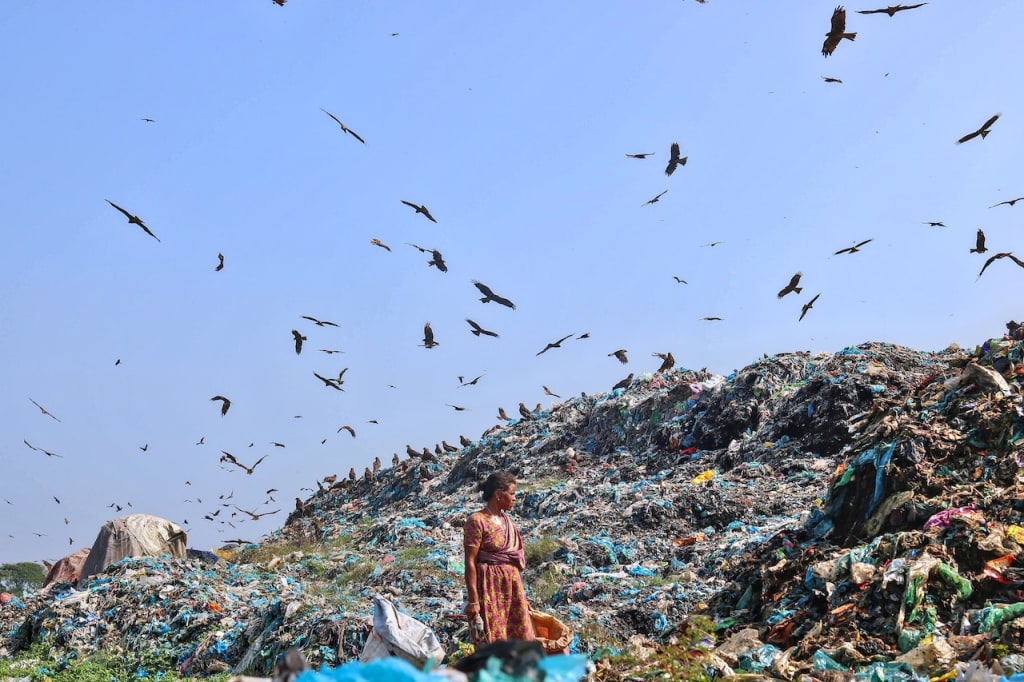
Single-use plastics pose numerous environmental challenges. They are not biodegradable and can persist in the environment for centuries. Plastic waste often ends up in landfills, where it releases harmful chemicals into the soil and water. Moreover, an estimated 8 million metric tons of plastic enter our oceans every year, endangering marine life and disrupting ecosystems. Microplastics, tiny particles that result from plastic degradation, have infiltrated our food chain, potentially harming human health.
Section 2: Strategies to Reduce Plastic Waste
2.1. Education and Awareness:
Raising awareness about the environmental impact of single-use plastics is crucial. Educational campaigns, both online and offline, can inform individuals and communities about the benefits of reducing plastic waste. By emphasizing the importance of reusable alternatives and responsible consumption, we can inspire behavioral change and promote a more sustainable lifestyle.
2.2. Plastic Bans and Regulations:
Governments and organizations around the world are implementing plastic bans and regulations to curb the use of single-use plastics. By imposing restrictions on items like plastic bags, straws, and bottles, we can encourage the adoption of reusable alternatives. These measures have proven effective in reducing plastic waste in various jurisdictions and can serve as models for wider implementation.
2.3. Encouraging Responsible Business Practices:
Businesses play a crucial role in reducing plastic waste. Companies can adopt sustainable packaging options, implement recycling programs, and promote the use of reusable products. Consumers can support Eco-friendly businesses by making informed choices and favoring products with minimal plastic packaging.
2.4. Innovation and Alternative Materials:
Advancements in technology have led to the development of alternative materials to replace single-use plastics. Biodegradable or compo stable materials, such as plant-based plastics or paper, can offer environmentally friendly alternatives. Encouraging research and innovation in this field can lead to achievable solutions and widespread adoption of sustainable materials.
2.5. Individual Action:
Every individual has the power to make a difference by reducing their personal plastic consumption. Simple steps such as carrying reusable bags, water bottles, and coffee cups, as well as avoiding single-use plastic utensils, can significantly reduce plastic waste. By making conscious choices, we can collectively create a significant impact.
2.5 Interesting Facts: Including compelling facts can capture readers' attention and make the content shareable. For instance:
Over 8 million metric tons of plastic enter our oceans each year, equivalent to dumping one garbage truck full of plastic every minute.
It is estimated that by 2050, there will be more plastic in the ocean than fish.
Plastic microfibers from washing clothes contribute to 35% of the microplastics polluting the ocean.
Conclusion
Reducing plastic waste is a global challenge that requires collective effort. By understanding the environmental impact of single-use plastics and implementing effective strategies, we can mitigate the damage caused to our planet. Reducing plastic waste and mitigating the impact of single-use plastics requires a comprehensive approach involving education, regulations, responsible business practices, innovation, and individual action. By raising awareness and adopting sustainable alternatives, we can minimize the environmental and health risks associated with plastic pollution. It is crucial for governments, businesses, and individuals to collaborate and prioritize the reduction of plastic waste. Together, we can build a future where plastic pollution is minimized, and our planet thrives in a healthier and cleaner environment.
About the Creator
Keep reading
More stories from Adeboye FG and writers in Earth and other communities.
The Enchanting Quest: Unraveling Africa's Mysteries
Once upon a time in the heart of Africa, a brave adventurer named Alex embarked on a thrilling journey to uncover the continent's hidden treasures. Little did he know that his quest would take him on a captivating adventure that would leave the world in awe.
By Adeboye FG3 years ago in Art
My First Time Skiing and I Got Lost, Alone, in the French Alps
Looking back, I can trace some of my life’s biggest adventures to a simple action from my sister. She’d introduced me to Tommy (a very long time ago), a colleague of hers, who had overshared his penchant for Italian-looking women, and I ticked that box.
By Chantal Christie Weiss2 days ago in Humans




Comments
There are no comments for this story
Be the first to respond and start the conversation.