
The Impact of Climate Change on Vulnerable Ecosystems
A Call for Action

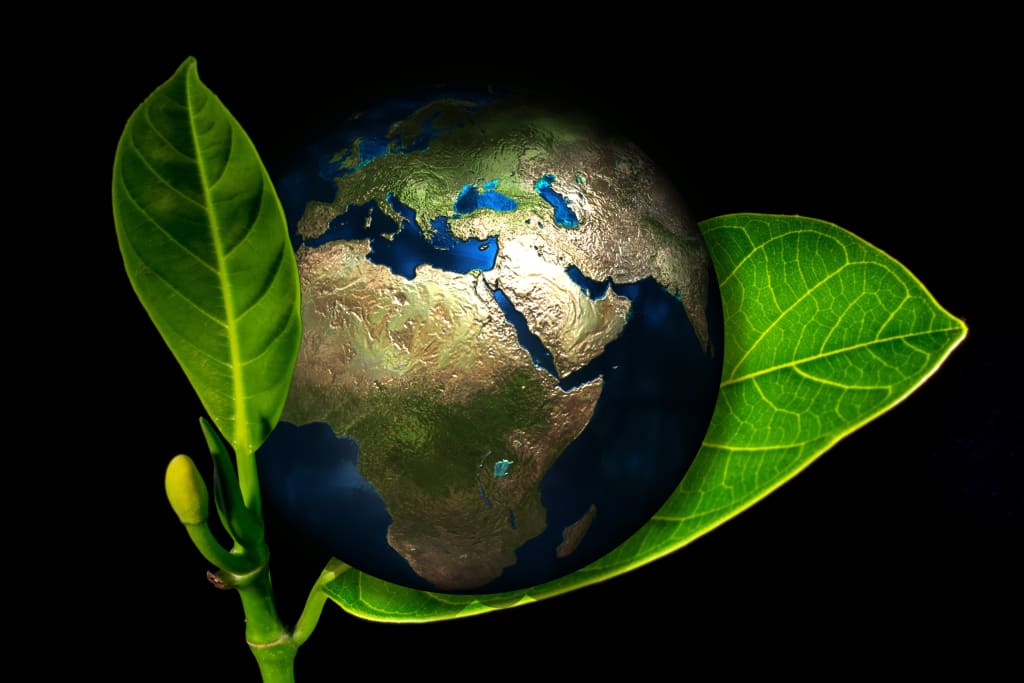
Climate change is an imminent global crisis that has far-reaching consequences for the planet and its inhabitants. One of the most significant impacts is the disruption of vulnerable ecosystems, which play a crucial role in maintaining biodiversity and supporting human livelihoods. As temperatures rise, sea levels increase, and extreme weather events become more frequent, fragile ecosystems are under immense pressure, facing unprecedented challenges. In this blog, we will explore the profound effects of climate change on vulnerable ecosystems and underscore the urgency of taking action to protect and restore these invaluable habitats.
1. Coral Reefs: The Rainforests of the Sea:
Coral reefs are among the most diverse and productive ecosystems on Earth, often referred to as the "rainforests of the sea." Rising sea temperatures and ocean acidification pose significant threats to coral reefs. Increased oceanic temperatures lead to coral bleaching, causing corals to expel their symbiotic algae, leading to their eventual death. The loss of coral reefs would not only devastate marine biodiversity but also impact the livelihoods of millions of people who depend on them for fisheries, tourism, and coastal protection.
2. Rainforests: The Lungs of the Earth:
Rainforests are vital carbon sinks that absorb vast amounts of carbon dioxide from the atmosphere, helping to regulate global climate patterns. However, climate change contributes to deforestation, droughts, and forest fires, pushing these invaluable ecosystems to the brink. As rainforests disappear, not only do we lose the ability to sequester carbon, but we also witness a sharp decline in biodiversity and the potential loss of countless medicinal plants and undiscovered species.
3. Polar Regions: The Fragile Icy Frontiers:
The Arctic and Antarctic regions are experiencing rapid warming, resulting in the melting of glaciers and ice sheets. The loss of sea ice poses significant challenges for iconic species such as polar bears, penguins, and seals, which rely on these frozen habitats for hunting, breeding, and resting. Furthermore, the melting of ice sheets contributes to rising sea levels, threatening coastal cities and low-lying islands around the world.
4. Mangrove Forests: Guardians of Coastal Resilience:
Mangrove forests are essential coastal ecosystems that provide numerous benefits. They act as a buffer against storm surges and provide critical habitats for fish, birds, and other marine species. Climate change-induced sea-level rise, along with increased storms and cyclones, poses a significant threat to mangrove ecosystems. Loss of mangroves not only undermines coastal protection but also results in the release of stored carbon, exacerbating global warming.
5. Alpine Regions: The High Altitude Delicate Balances:
Mountain ecosystems, such as the Alps, the Andes, and the Himalayas, are characterized by delicate ecological balances. Rising temperatures cause glaciers to retreat, leading to reduced water availability for communities downstream. Changes in precipitation patterns also disrupt biodiversity and disrupt the livelihoods of those dependent on mountain resources. The loss of these ecosystems could have far-reaching consequences for both local and global communities.
Conclusion:
The impact of climate change on vulnerable ecosystems is undeniable and demands immediate action. Protecting and restoring these fragile habitats is not only crucial for biodiversity conservation but also for the well-being and survival of human societies. Governments, organizations, and individuals must come together to reduce greenhouse gas emissions, implement sustainable land-use practices, and invest in conservation efforts. By taking bold steps to combat climate change, we can hope to safeguard the resilience of vulnerable ecosystems and ensure a sustainable future for generations to come. It is our moral responsibility to act now and preserve the intricate web of life that sustains us all.
About the Creator
Taj Padda
Hello, I'm Taj, an avid writer and knowledge enthusiast.
Whales should be protected!
Carbon dioxide is one of the main gases responsible for global warming. When too much carbon dioxide builds up in the atmosphere, it traps heat from the sun and causes the Earth’s temperature to rise. If this problem continues without control, it could lead to serious environmental damage and may even make parts of the Earth difficult for humans and animals to live in. Therefore, it is important to find natural ways to reduce carbon dioxide levels. One surprising but very important solution is protecting whales, as they play a role in storing carbon in their bodies and supporting ocean ecosystems.
By *+*+*~Teja~*+*+*6 days ago in Earth
Why Didn't Anyone Tell Us
Men, move along. This is not for you. This is for the women. I was forty-five when I began menopause. It is pretty young for that to be going on in a woman’s life, but I had undiagnosed PCOS, my entire life. Thank you to all the gynecologists I had seen my entire life. That in itself should encourage women to keep seeking second opinions, especially when you are not getting correct answers or any at all.
By Alexandra Grant2 days ago in Humans


Comments
There are no comments for this story
Be the first to respond and start the conversation.