
The Impact of Climate Change on Indigenous Communities and Traditional Knowledge
Understanding the Environmental, Social, and Cultural Impacts of Climate Change on Indigenous Communities and the Importance of Preserving Traditional Knowledge and Practices

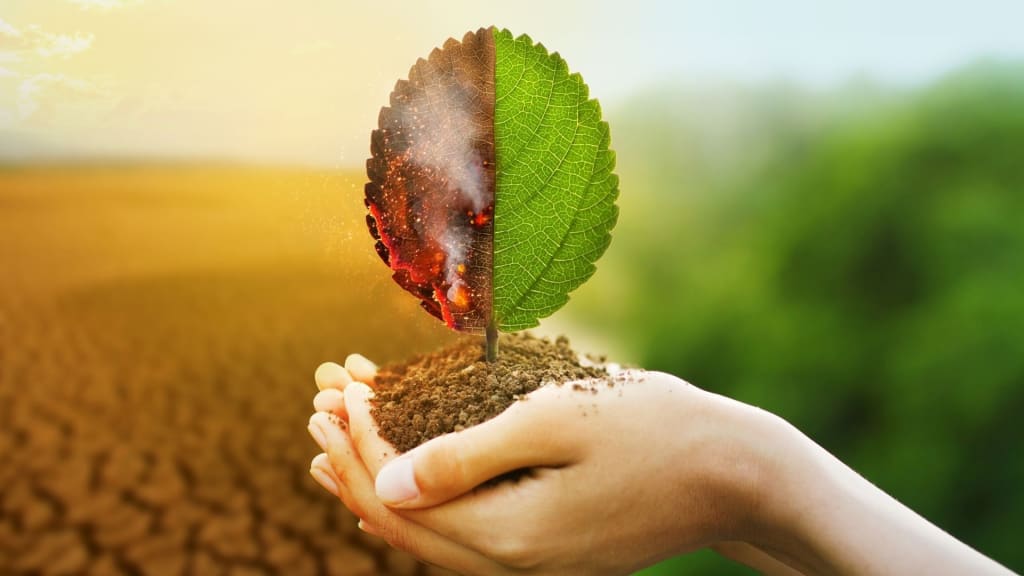
Indigenous communities around the world have lived in harmony with nature for thousands of years, relying on traditional knowledge and practices to sustain their livelihoods and culture. However, climate change is now threatening many of these communities, with rising temperatures, changing precipitation patterns, and more frequent and severe weather events affecting their ecosystems and ways of life. In this article, we will explore the impact of climate change on Indigenous communities and the critical importance of preserving their traditional knowledge and practices.
Importance of Indigenous Knowledge:
Indigenous knowledge is a critical component of traditional ecological knowledge, providing insights into the natural world and promoting sustainable practices that have been honed over thousands of years.
Threats to Indigenous Communities:
Climate change is one of the leading threats to Indigenous communities, with rising temperatures, drought, and extreme weather events affecting their access to food and water, and threatening their cultural traditions.
Importance of Resilience:
Indigenous communities have shown remarkable resilience in the face of climate change, adapting their practices and knowledge to cope with changing environmental conditions and protect their cultures.
Role of Community-Based Adaptation:
Community-based adaptation is critical in promoting the resilience of Indigenous communities, with strategies such as diversification of livelihoods and the integration of traditional knowledge into climate change adaptation plans.
Importance of Traditional Land Management:
Traditional land management practices are critical in promoting the resilience of Indigenous communities and protecting their ecosystems, with practices such as controlled burning and rotational grazing promoting healthy habitats and supporting the livelihoods of many species.
Importance of Collaborative Research:
Collaborative research between Indigenous communities and scientists can help to promote the preservation of traditional knowledge and practices, and support the development of more effective climate change adaptation strategies.
Impact of Loss of Traditional Knowledge:
The loss of traditional knowledge and practices can have significant impacts on Indigenous communities, affecting their cultural identity, and their ability to sustain their livelihoods and protect their ecosystems.
Need for Climate Justice:
Climate justice is critical in promoting the protection of Indigenous communities and their traditional knowledge, with policies and actions needed to address the disproportionate impacts of climate change on vulnerable communities.
Importance of Indigenous Voices:
Indigenous voices and perspectives are critical in promoting the protection of Indigenous communities and their traditional knowledge, with Indigenous-led initiatives and advocacy helping to promote the preservation of traditional practices and the development of more effective adaptation strategies.
Future of Indigenous Communities and Traditional Knowledge:
The future of Indigenous communities and their traditional knowledge is critical to the well-being of our planet and the survival of many species. By promoting the preservation of traditional practices and knowledge, reducing the impact of climate change on vulnerable communities, and supporting Indigenous-led initiatives and advocacy, we can help to ensure a more sustainable and equitable future for all. The Importance of Education:
Education is a critical tool in promoting the preservation of traditional knowledge and practices, with programs aimed at preserving Indigenous languages, cultural practices, and knowledge systems helping to promote the resilience of Indigenous communities and cultures.
Impact of Extractive Industries:
Extractive industries, such as mining and oil and gas development, are often located on or near Indigenous lands, threatening the ecosystems and cultures of Indigenous communities. Efforts to reduce the impact of these industries and promote sustainable alternatives are critical in protecting Indigenous communities and their traditional knowledge.
Importance of Traditional Food Systems:
Traditional food systems are critical in promoting the resilience of Indigenous communities and protecting their cultural heritage, with practices such as hunting, fishing, and gathering supporting the livelihoods of many communities and promoting sustainable resource management.
Role of International Agreements:
International agreements such as the United Nations Declaration on the Rights of Indigenous Peoples and the Paris Agreement on climate change have helped to promote the protection of Indigenous communities and their traditional knowledge, highlighting the importance of collaboration and collective action.
Importance of Cultural Heritage:
Cultural heritage, including traditional knowledge and practices, is a critical component of Indigenous communities and their identities. Efforts to promote the preservation and celebration of cultural heritage are essential in promoting the resilience of Indigenous communities and supporting their continued existence.
Impact of Forced Relocation:
Forced relocation, often as a result of climate change or environmental degradation, can have significant impacts on the cultural and social well-being of Indigenous communities. Efforts to promote more equitable and just approaches to relocation and resettlement are critical in promoting the protection of Indigenous communities and their traditional knowledge.
The Importance of Traditional Healing Practices:
Traditional healing practices, including medicinal plants and spiritual practices, are critical in promoting the health and well-being of Indigenous communities and promoting sustainable practices. Efforts to promote the preservation and integration of traditional healing practices into modern health systems can help to promote the resilience of Indigenous communities and support their cultural heritage.
Role of Indigenous Women:
Indigenous women are often at the forefront of efforts to protect traditional knowledge and practices, promoting sustainable practices, and preserving cultural heritage. Efforts to support and amplify the voices of Indigenous women can help to promote the protection of Indigenous communities and their traditional knowledge.
Importance of Land Rights:
Land rights are a critical component of Indigenous communities' resilience and ability to preserve their traditional knowledge and practices. Efforts to promote the recognition and protection of Indigenous land rights can help to promote the protection of Indigenous communities and their cultural heritage.
Future of Indigenous Communities and Traditional Knowledge:
The future of Indigenous communities and their traditional knowledge is critical to the well-being of our planet and the survival of many species. By promoting the preservation of traditional practices and knowledge, reducing the impact of extractive industries on vulnerable communities, and supporting Indigenous-led initiatives and advocacy, we can help to ensure a more sustainable and equitable future for all.
Conclusion:
The preservation of Indigenous communities and their traditional knowledge is critical to the well-being of our planet and the survival of many species. By promoting the preservation of traditional practices and knowledge, reducing the impact of extractive industries on vulnerable communities, and supporting Indigenous-led initiatives and advocacy, we can help to protect and preserve Indigenous cultures and ways of life for future generations. Let us all work together to promote climate justice and a more sustainable and equitable future for all.
About the Creator
Gokhan Polard
As an experienced ERC Referral Specialist, my primary dedication lies in assisting businesses in the journey towards financial success. https://ercsolutionshub.com/
Keep reading
More stories from Gokhan Polard and writers in Earth and other communities.
Exploring the Great Barrier Reef - Why We Must Protect This Natural Wonder
The Great Barrier Reef is one of the world's most iconic and unique natural wonders, home to thousands of species of plants and animals, and a critical ecosystem for the world's oceans. However, the reef is facing significant threats from climate change, pollution, and overfishing, putting its delicate ecosystems and the many species that rely on it at risk. In this article, we will explore the importance of the Great Barrier Reef and the urgent need to protect this natural wonder.
By Gokhan Polard3 years ago in Earth



Comments
There are no comments for this story
Be the first to respond and start the conversation.