
The Impact of Climate Change on Global Biodiversity-nature is saying something
The Impact of Climate Change on Global Biodiversity

Introduction:
Climate change is one of the most significant challenges facing our planet today. Its effects are not limited to rising temperatures or extreme weather events but also extend to global biodiversity. With each passing year, the impacts of climate change become increasingly apparent, resulting in alarming consequences for ecosystems and the living organisms that rely on them. This article explores the far-reaching impact of climate change on global biodiversity, highlighting the need for urgent action to mitigate its effects.
Changing Habitats and Species Distribution:
As the climate changes, ecosystems face the challenge of adapting to new conditions or relocating to suitable habitats. This process is often difficult for plant and animal species that have evolved to thrive in specific climates. Rising temperatures and shifting precipitation patterns alter habitats, forcing species to migrate, adapt or face extinction. Studies indicate that many species are struggling to keep pace with rapidly changing climatic conditions, leading to disruptions in ecological balance, loss of biodiversity, and potential collapse of entire food chains.
Coral Bleaching and the Collapse of Marine Ecosystems:
Climate change poses a severe threat to marine biodiversity, particularly in coral reef ecosystems. Rising ocean temperatures result in coral bleaching, a phenomenon where corals expel the symbiotic algae that provide them with essential nutrients, causing them to turn white and become vulnerable to disease and death. Coral bleaching events have become more frequent and severe in recent years, leading to widespread damage and the collapse of entire reef systems. These losses have adverse consequences for the countless species that depend on coral reefs for food and shelter.
Increased Extinction Rates:
Climate change accelerates the already alarming rates of species extinction. According to the Intergovernmental Panel on Climate Change (IPCC), between 20-30% of species assessed are at risk of extinction if global average temperature increases exceed 1.5-2 degrees Celsius. Disruptions in ecosystems caused by climate change, such as habitat destruction, reduced availability of resources, and increased disease susceptibility, place countless species at higher risk. If left unchecked, climate change could trigger a global mass extinction event not seen for millions of years.
Altered Phenology and Disrupted Ecosystem Services:
Climate change also disrupts the timing of biological events, such as flowering, migration, and hibernation, known as phenology. For instance, changes in temperature and precipitation affect the timing of plant flowering, disrupting the synchronization between plants and their pollinators, potentially leading to reduced seed production and compromised ecosystem services. This disruption reverberates through the food web, impacting species at different trophic levels and further endangering biodiversity.
Adaptation and Conservation Efforts:
To mitigate the impacts of climate change on global biodiversity, urgent actions are required. Promoting habitat conservation and restoration, improving ecosystem connectivity, and protecting vulnerable species are crucial steps. Additionally, efforts to reduce greenhouse gas emissions, such as transitioning to renewable energy sources, adopting sustainable agricultural practices, and promoting eco-friendly policies, can help to limit further climate change-related damage.
Impact of Climate Change on Biodiversity
Climate change has significant impacts on global biodiversity. The altering climate patterns, changes in temperature and precipitation, increased frequency of extreme weather events, and rising sea levels all have detrimental effects on ecosystems and species across the world. Here are some key impacts:
Habitat Loss: Climate change affects habitats, leading to loss and degradation of ecosystems. Rising temperatures and changing rainfall patterns affect the distribution and availability of suitable habitats for various species. This can result in the loss of biodiversity, as species struggle to adapt or migrate to new areas.
Species Extinction: Climate change increases the risk of species extinction. As habitats change, some species may not be able to adapt quickly enough or migrate to more suitable regions. This can lead to reduced population sizes and eventually extinction. In particular, species with limited ranges or specialized habitat requirements are more vulnerable.
Shifts in Species Distribution: Climate change is causing shifts in the geographic distribution of species. Warmer temperatures may enable certain species to expand their range into new areas, while others may contract or become isolated. This can disrupt ecological communities, as species interactions change and new competitors or predators emerge.
Coral Bleaching: Increasing ocean temperatures due to climate change pose a significant threat to coral reefs. Rising temperatures cause corals to expel the symbiotic algae living within their tissues, resulting in bleaching and potentially death. Coral bleaching leads to the loss of coral reef ecosystems, which are home to a vast array of marine biodiversity.
Altered Phenology and Synchronization: Climate change affects the timing of seasonal events (phenology), such as the flowering, migration, breeding, and hibernation patterns of species. As temperature and precipitation patterns shift, these events can become desynchronized with other species they depend on or signal to. Such disruptions in timing can have cascading effects on entire ecosystems.
Increased Invasive Species: Climate change can facilitate the spread of invasive species. Changing climates can enable invasive species to colonize new areas and outcompete native species. Invasive species often have negative impacts on biodiversity, as they can disrupt ecological processes and outcompete native species for resources.
Ecosystem Services: Climate change can reduce the provision of key ecosystem services. For example, altered precipitation patterns can lead to reduced water availability, impacting wetlands, rivers, and lakes that provide habitats for numerous species and serve as water sources for human populations. The loss of biodiversity can consequently impact food security, water availability, and other essential services that ecosystems provide.
Conclusion:
Climate change poses a formidable threat to global biodiversity and the delicate balance of our planet's ecosystems. The consequences of unmitigated climate change on ecosystems, species, and ultimately human well-being are far-reaching and demand immediate attention. By acknowledging the impact of climate change on biodiversity and taking decisive action, we can work towards preserving the rich tapestry of life on Earth and secure a sustainable future for generations to come.
About the Creator
Bate Tabenyang Alaine
A resilient writer and agile Country Program Director with 10 years of field experience in the international development and humanitarian fields including; project management, partnership, administrative and financial oversight.
Keep reading
More stories from Bate Tabenyang Alaine and writers in Earth and other communities.
The Role of Internet of Things (IoT) in Climate Change Mitigation: The case of Cameroon
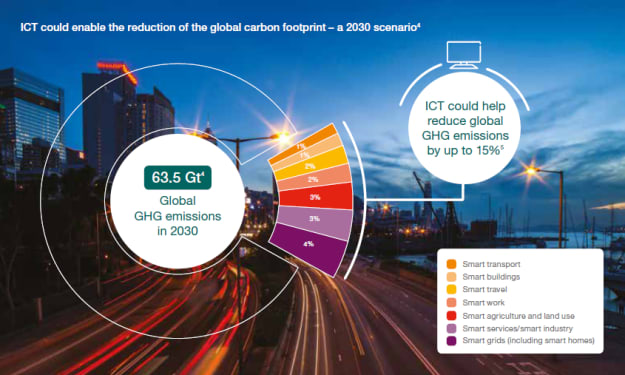
Climate change remains one of the most pressing global challenges. In this battle against environmental degradation, the Internet of Things (IoT) emerges as a powerful tool to combat climate change. This article explores the specific case of Cameroon, highlighting the role IoT plays in mitigating climate change.
By Bate Tabenyang Alaine2 years ago in Education
FPS: Roots and Branches Challenge Winners
The FPS: Roots and Branches Challenge has wrapped up, and gaming enthusiasts around the world are celebrating the winners of this exciting and competitive event. From showcasing incredible skill to creative problem-solving, participants pushed their limits, making the challenge a true testament to the evolving world of first-person shooter (FPS) games.
By Aarif Lashari3 days ago in Earth

Comments
There are no comments for this story
Be the first to respond and start the conversation.