
The impact of climate change on a small coastal town
How rising sea levels and more frequent storms threaten the livelihoods and homes of a community and how they band together to fight for their survival

Once upon a time, there was a small coastal town nestled on the eastern coast of the United States. It was a quaint town, with a close-knit community that treasured the ocean and the peaceful life it provided. But little did they know, their beloved town was in danger.
The town had been experiencing more frequent and intense storms in recent years, and the sea level was rising at an alarming rate. The town's residents were starting to notice the effects of climate change, with flooding becoming more common and the ocean encroaching on their homes and businesses.
One resident, a fisherman named Jack, had lived in the town his entire life. He had seen the ocean change over the years, but he never imagined it would impact his livelihood. But as the sea level continued to rise, it became harder and harder for him to go out to sea to fish. The storms were stronger, and the waves were higher, making it dangerous for him and his fellow fishermen to go out.
One day, the town held a meeting to discuss the impacts of climate change. Scientists and environmentalists spoke about the danger of rising sea levels and the need to take immediate action to protect the town. The residents were shocked to learn about the severity of the situation. They had always known the ocean was powerful, but they never imagined it could threaten their very existence.
The town's mayor, Sarah, was determined to take action. She called for a community-wide effort to protect the town from the rising tides. The residents banded together, building seawalls and elevating their homes and businesses to protect against flooding. They worked tirelessly, day and night, to protect their beloved town.
But despite their efforts, the sea continued to rise. The storms became more frequent and intense, and the residents were starting to lose hope. It seemed like the ocean was too powerful, and they were fighting a losing battle.
One stormy night, a massive wave crashed onto the town's shore, destroying several homes and businesses. The residents were devastated, and many felt like giving up. But Jack refused to let the ocean win. He organized a meeting of the town's fishermen, and they came up with a plan to protect the town from the sea.
They spent weeks building a massive barrier made of old fishing nets, ropes, and buoys. It was a daunting task, but they refused to give up. They worked tirelessly, day and night, to protect their town from the rising tides.
Finally, the day of the next storm arrived. The residents huddled together, praying that their efforts would be enough to protect them. The storm raged on, and the waves crashed onto the shore. But this time, something was different. The barrier the fishermen had built held strong, protecting the town from the worst of the storm.
The residents cheered and hugged each other, grateful to be alive. They knew that the fight wasn't over, but they had won this battle. They had shown that even in the face of the most powerful forces of nature, they could band together and fight for their survival.
From that day on, the town's residents continued to work together to protect their homes and businesses from the rising tides. They knew that the ocean was powerful, but they were even stronger. They refused to let climate change destroy their town, and they were willing to do whatever it takes to protect it.
Individuals and governments both have a responsibility to address and mitigate the effects of climate change.
On an individual level, people can take actions to reduce their carbon footprint, such as using energy-efficient appliances, reducing their use of single-use plastics, and using public transportation or carpooling instead of driving alone. Individuals can also support companies and organizations that prioritize sustainability and advocate for policies that address climate change.
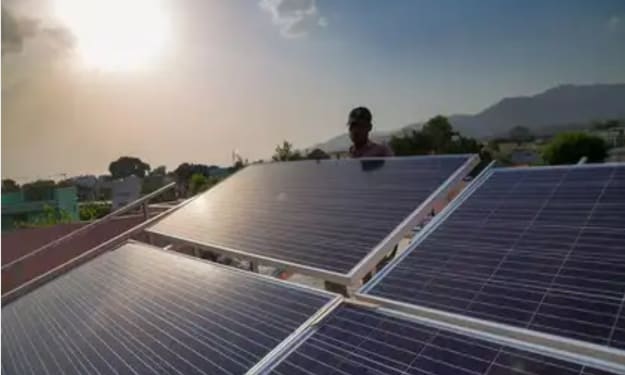
On a governmental level, it is the responsibility of policymakers to enact laws and regulations that reduce greenhouse gas emissions and encourage sustainable practices. This can include policies such as implementing a carbon tax, investing in renewable energy, and promoting sustainable agriculture and forestry practices. Governments can also work together on a global scale to address climate change through international agreements such as the Paris Agreement.
Ultimately, both individuals and governments must take responsibility for addressing climate change in order to mitigate its effects and ensure a sustainable future for generations to come.
About the Creator
Keep reading
More stories from Mustopha Abdulrauf Abiola and writers in Earth and other communities.
The impact of climate change on a small coastal town
Once upon a time, there was a small coastal town nestled on the eastern coast of the United States. It was a quaint town, with a close-knit community that treasured the ocean and the peaceful life it provided. But little did they know, their beloved town was in danger.
By Mustopha Abdulrauf Abiola3 years ago in Earth
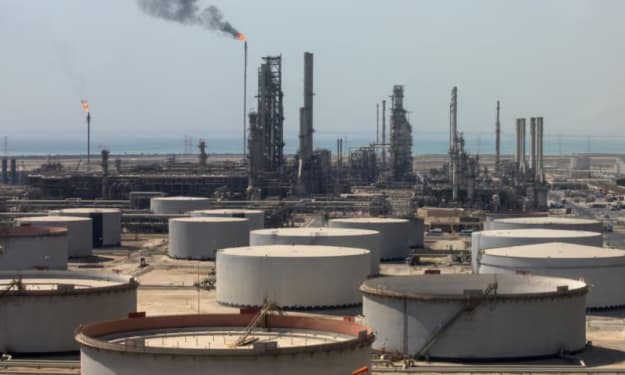
Half of World’s CO2 Emissions Come From Just 32 Fossil Fuel Firms, Study Shows
A groundbreaking new study has revealed that 32 fossil fuel companies are responsible for half of global carbon dioxide emissions since the industrial era began. The findings highlight the outsized influence of major oil, gas, and coal producers on climate change, and raise urgent questions about accountability, regulation, and the transition to cleaner energy.
By Aarif Lashari7 days ago in Earth
“Do Not Copy This Site’s Content”: Why Originality Matters More Than Ever in the Digital Age
“Do not copy this site’s content.” It’s a warning most internet users have seen countless times, often at the bottom of webpages or buried in terms and conditions. Many scroll past it without a second thought. But in today’s digital world, that simple sentence carries far more weight than people realize.
By Muhammad Hassan3 days ago in Earth

Comments (1)
Very educative