
The impact of climate change in Southeast Asia
Southeast Asia


Southeast Asia: On the Frontlines of Climate Change
Southeast Asia, a region teeming with biodiversity, cultural richness, and economic potential, faces a formidable foe: climate change. From rising sea levels to intensifying weather patterns, the impacts threaten the very way of life for millions. Understanding these threats and exploring potential solutions is crucial for the region's future.
A Region on the Brink
Southeast Asia is a mosaic of islands, archipelagos, and mainland countries. This geographic diversity makes it particularly vulnerable to climate change. Rising sea levels endanger coastal communities, with megacities like Jakarta and Ho Chi Minh City facing potential submergence. Island nations like Indonesia and the Philippines grapple with saltwater intrusion into freshwater sources and coastal erosion displacing entire communities.
The region's weather patterns are also undergoing a transformation. More frequent and intense typhoons batter coastlines, causing devastating floods and landslides. Droughts, on the other hand, threaten agricultural productivity, impacting food security for millions who rely on rice cultivation. This erratic rainfall pattern disrupts traditional farming practices and creates uncertainty for future harvests.
Beyond the Physical Landscape
The consequences of climate change extend far beyond the physical environment. Food insecurity due to extreme weather events can lead to social unrest and economic instability. Displaced populations strain resources and infrastructure, creating a humanitarian crisis. Moreover, the destruction of ecosystems disrupts livelihoods for those dependent on natural resources like fishing and forestry.
Climate change also threatens Southeast Asia's rich biodiversity. Rising temperatures and ocean acidification disrupt marine ecosystems, impacting coral reefs and fisheries. Mangrove forests, vital for coastal protection and nurseries for marine life, are threatened by rising sea levels and development pressures. This loss of habitat pushes countless species towards extinction, disrupting the delicate balance of the region's natural world.
Taking Action: Resilience and Mitigation
Despite the daunting challenges, Southeast Asia is not standing idly by. Countries are implementing adaptation strategies to build resilience. Mangrove restoration projects aim to protect coastlines and provide breeding grounds for marine life. Early warning systems for extreme weather events are being developed to minimize casualties and damage. Additionally, investments are being made in climate-smart agriculture to improve drought and flood resistance.
Mitigating climate change at its source is equally important. Southeast Asia, with its vast rainforests, plays a crucial role in carbon sequestration. Initiatives to protect these forests are critical to reducing global greenhouse gas emissions. Additionally, the region is looking towards renewable energy sources like solar and wind power to decrease reliance on fossil fuels.
A Call for International Cooperation
The fight against climate change cannot be won by Southeast Asia alone. Developed nations, with their historical contribution to greenhouse gas emissions, have a responsibility to support the region's efforts. Technology transfer for clean energy solutions, financial assistance for adaptation projects, and international cooperation on carbon reduction strategies are all crucial elements in a global response.
Looking Forward: A Sustainable Future
The future of Southeast Asia hinges on its ability to adapt to and mitigate climate change. By implementing innovative solutions, fostering regional cooperation, and securing international backing, the region can chart a course towards a sustainable future. This requires not just government action but also a collective effort from businesses, communities, and individuals. Embracing sustainable practices, reducing carbon footprints, and advocating for climate-friendly policies are all ways individuals can contribute.
Southeast Asia's fight against climate change is a story of resilience, innovation, and the unwavering human spirit. The region's success in tackling this challenge will not only determine its own future but also serve as an inspiration for other parts of the world facing similar threats.
Additional Points to Consider (for further elaboration):
Specific examples of adaptation and mitigation strategies being implemented in different Southeast Asian countries.
The role of NGOs and community organizations in climate action efforts.
The social and economic costs of inaction on climate change.
The potential for Southeast Asia to become a leader in green technology and sustainable development.
By incorporating these points, you can create a more comprehensive and informative article on the impact of climate change in Southeast Asia.
About the Creator
Moharif Yulianto
a freelance writer and thesis preparation in his country, youtube content creator, facebook
Keep reading
More stories from Moharif Yulianto and writers in Earth and other communities.
5 small countries with few people
Tiny Titans: A Look at 5 Small Countries with Surprisingly Big Personalities While giants like China and India dominate headlines with their vast populations, a special charm exists in the nooks and crannies of our planet occupied by tiny nations. These miniature marvels, often referred to as microstates, boast unique cultures, fascinating histories, and breathtaking landscapes, all condensed within a manageable size. Let's delve into five such countries, each with a population under 50,000, that pack a mighty punch when it comes to character:
By Moharif Yulianto2 years ago in Earth
Kyrsten Sinema Panel Interrupted by Men Claiming Affairs Amid Fresh Lawsuit
Former U.S. Senator Kyrsten Sinema faced a strange and uncomfortable moment during a public policy panel in Salt Lake City on January 16, 2026. Two men in the audience interrupted the discussion, loudly claiming they were having affairs with her. The incident occurred just days after Sinema became the subject of a civil lawsuit alleging she was romantically involved with a married member of her former Senate security team.
By Aarif Lashari2 days ago in Earth
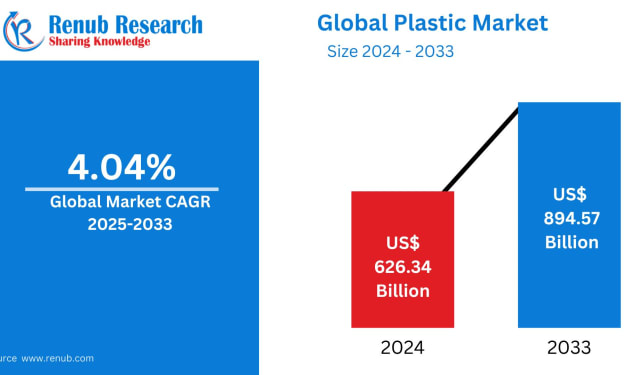
Global Plastic Market Size and Forecast 2025–2033: Innovation, Sustainability, and the Future of a $894 Billion Industry
Introduction: A Market That Touches Every Industry The global plastics industry remains one of the most influential pillars of modern manufacturing, supporting everything from food packaging and construction to healthcare, automotive, and electronics. Despite growing environmental scrutiny, plastics continue to evolve, adapt, and expand—driven by technological innovation, economic growth in emerging markets, and the urgent shift toward recyclable and biodegradable materials.
By Janine Root 3 days ago in Earth



Comments
There are no comments for this story
Be the first to respond and start the conversation.