
The History of Masai Mara in Kenya
The Jewel of African Wildlife

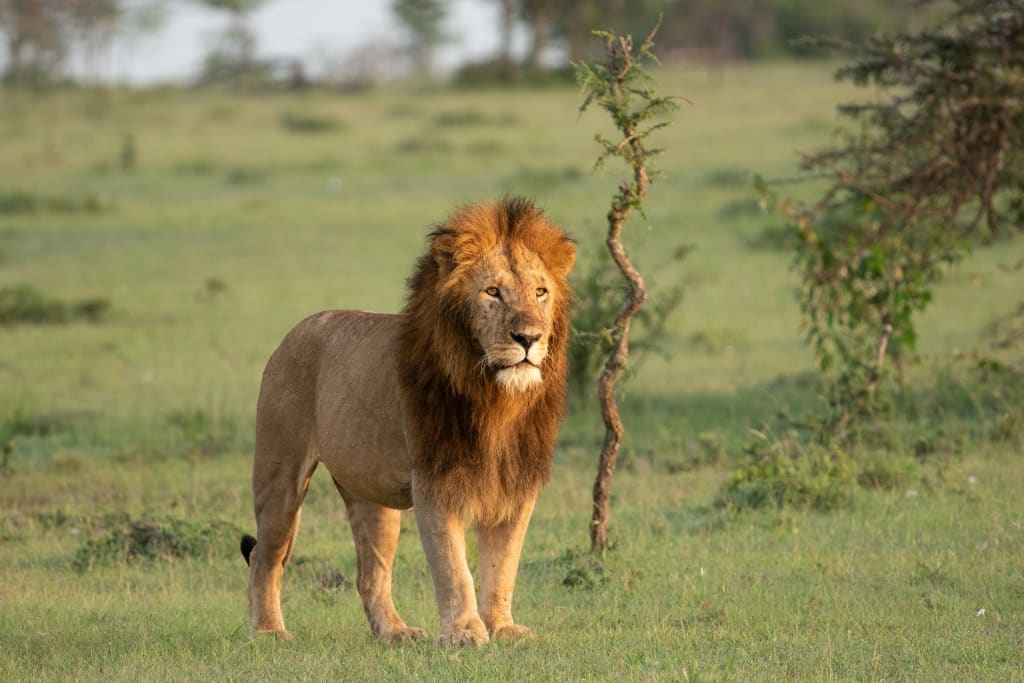
History of Masai Mara: The Jewel of African Wildlife
The Masai Mara, often referred to simply as "the Mara," is a world-renowned safari destination located in southwestern Kenya, East Africa. It is part of the greater Serengeti ecosystem and is named after the Maasai people, the semi-nomadic indigenous inhabitants of the region. The Masai Mara is celebrated for its abundant wildlife, vast savannahs, and dramatic wildebeest migration, making it one of the most sought-after destinations for nature enthusiasts and wildlife photographers alike.
Ancient Roots and the Maasai People:
The Maasai people have inhabited the area around the Masai Mara for centuries, maintaining a traditional way of life, deeply connected to the land and wildlife. Their unique culture and nomadic lifestyle continue to be an integral part of the region's identity. The Maasai's coexistence with wildlife and their sustainable practices have contributed to the preservation of this pristine wilderness.
Establishment of the Masai Mara National Reserve:
The Masai Mara was officially established as a wildlife reserve in 1961, with the primary goal of conserving the area's diverse flora and fauna. This move came in response to increasing concerns about habitat degradation and wildlife poaching. The Maasai people were allowed to continue living in the reserve and were actively involved in its conservation efforts.
The Great Migration:
One of the most remarkable natural events that occur in the Masai Mara is the Great Migration. Every year, around 1.5 million wildebeests, along with hundreds of thousands of zebras and gazelles, migrate from Tanzania's Serengeti to the Masai Mara in search of fresh grazing lands. This awe-inspiring spectacle usually takes place between July and October and attracts visitors from all over the world.
Places to Visit in Masai Mara:
Mara Triangle: The western part of the Masai Mara National Reserve is known as the Mara Triangle. It offers excellent wildlife viewing opportunities and is less crowded than other parts of the reserve.
Mara River: The Mara River is a significant feature of the reserve and serves as a critical water source for the wildlife. It is also where the Great Migration's dramatic river crossings take place, attracting large crocodiles and predators.
Olare Orok Conservancy: Adjacent to the Masai Mara, this private conservancy provides exclusive wildlife experiences with fewer tourists and offers the chance to participate in night game drives.
Oloololo Escarpment: This stunning vantage point offers panoramic views of the Masai Mara plains, providing a perfect spot for sunrise and sunset photography.
Accommodation - 3 to 5 Star Hotels and Lodges:
The Masai Mara offers a range of accommodations, from luxurious lodges to tented camps that provide an authentic safari experience. Here are some notable options:
1. 3 Star:
Mara Sopa Lodge
Ol Moran Tented Camp
Sentrim Mara Camp
2. 4 Star:
Mara Leisure Camp
Keekorok Lodge
Sarova Mara Game Camp
3. 5 Star:
Mara Serena Safari Lodge
Mahali Mzuri Safari Camp (Owned by Sir Richard Branson)
Angama Mara Lodge
Entry Fees and Conservation Charges:
The entry fees and conservation charges for visiting the Masai Mara vary depending on nationality and duration of stay. Visitors are typically required to pay a daily park entrance fee and a conservation charge that goes towards preserving the park's wildlife and ecosystems. These fees are subject to change, so it is advisable to check with the Kenya Wildlife Service or tour operators for the latest rates before planning your trip.
Animals to See in the Masai Mara:
The Masai Mara is home to an incredible diversity of wildlife, providing visitors with the opportunity to witness some of Africa's most iconic and elusive creatures. Some of the animals you are likely to encounter include:
Lions: The Masai Mara is famous for its big cat population, particularly lions. The park provides an excellent chance to observe prides of lions in their natural habitat.
Elephants: These gentle giants can often be seen wandering through the savannah, particularly near water sources.
Leopards: Although elusive, leopards are found in the Masai Mara, and with some luck and a knowledgeable guide, you might spot one lounging in a tree or stalking its prey.
Cheetahs: Known for their incredible speed, cheetahs are a highlight of any safari, and the Masai Mara is no exception.
Buffaloes: Large herds of buffaloes roam the plains, and they are often accompanied by oxpeckers, which help groom and clean them.
The Big Five:
The Masai Mara is part of the exclusive club of African destinations that offer the chance to see the Big Five - lion, leopard, elephant, buffalo, and rhinoceros. The rhinoceros is the most challenging of the five to spot due to their declining numbers, but the other four are regularly sighted within the reserve.
Weather in the Masai Mara:
The weather in the Masai Mara is generally divided into two seasons - the dry season and the wet season. The dry season, from June to October, offers excellent game viewing as animals congregate around water sources. This is also the best time to witness the Great Migration.
The wet season, from November to May, sees occasional rain showers, turning the savannah into lush greenery. While the landscape is beautiful during this time, wildlife disperses, making it slightly more challenging for game viewing.
Conclusion:
The Masai Mara is a haven for wildlife enthusiasts, offering a mesmerizing blend of natural beauty and abundant wildlife. Its historical roots with the Maasai people and the ongoing conservation efforts add to the allure of this African jewel. With its iconic Great Migration, diverse wildlife, and stunning landscapes, the Masai Mara promises an unforgettable safari experience that leaves visitors in awe of the wonders of the natural world.
About the Creator
Syed Omar Hussain
Syed Omar Hussain, a multifaceted talent—a writer, poet, musician, farmer, and a textile engineer.
https://www.youtube.com/channel/UCKTpuZgA1Edh4tX-TLMDirQ
Keep reading
More stories from Syed Omar Hussain and writers in Earth and other communities.
The Bermuda Triangle
The Bermuda Triangle, otherwise called Satan's Triangle, is a district in the western piece of the North Atlantic Sea. It has dazzled the creative mind of individuals all over the planet because of its standing for puzzling vanishings of boats and planes. Here is an itemized investigation of the Bermuda Triangle, its set of experiences, speculations, and the realities encompassing this perplexing region.
By Syed Omar Hussain3 years ago in Earth
Environmental Volunteering in Sri Lanka
Reforestation and tree planting is one of the best ways to give back to nature. When you travel, you contribute to air pollution in a very big way. Emissions from air travel being one of the main contributors of global warming, everyone who travel should find a way to at least compensate for some of the pollution they are responsible for.
By Jayantha Wijesingha22 minutes ago in Earth


Comments
There are no comments for this story
Be the first to respond and start the conversation.