
The Hidden Plastics: Unpacking the Concerns Surrounding Phthalates
Ubiquitous in Everyday Life, These Chemicals Raise Questions About Long-Term Health Impacts
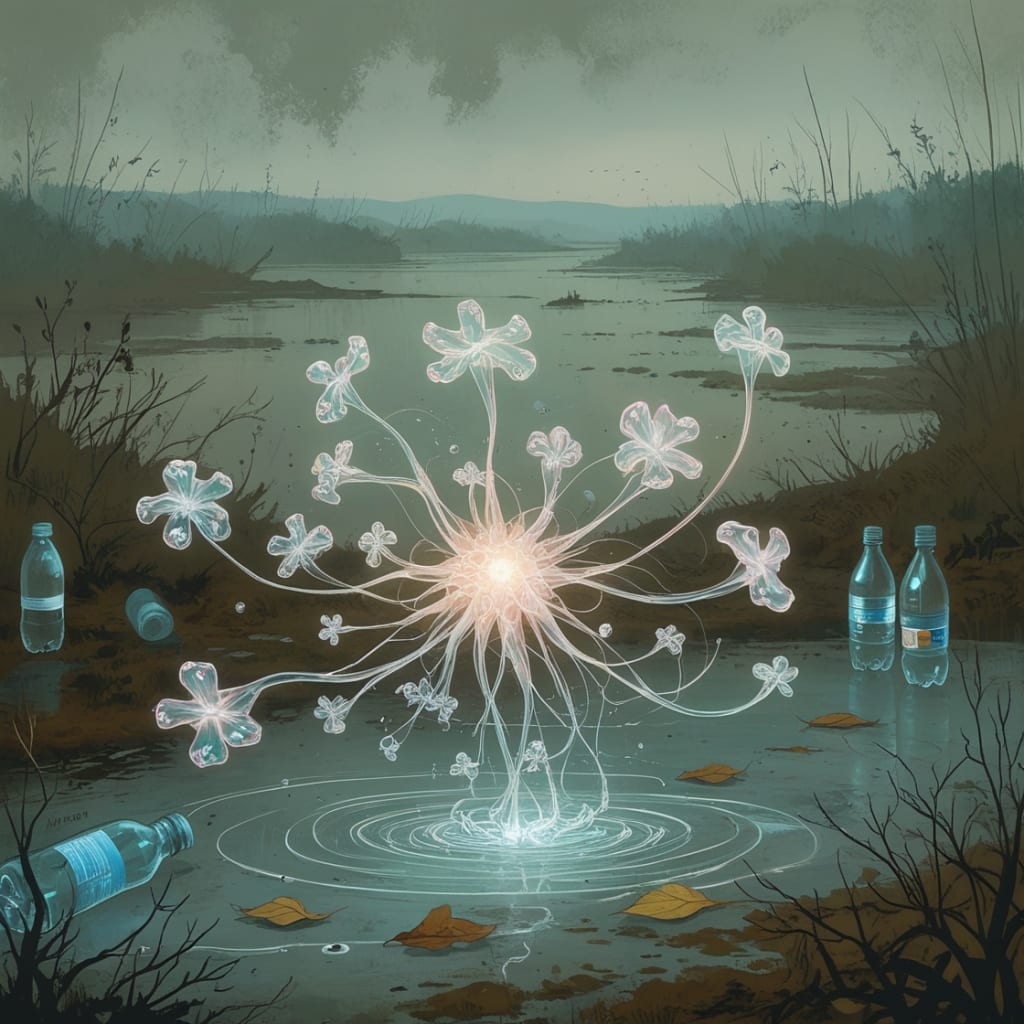
In our modern world, plastics are virtually inescapable. From the containers that hold our food to the personal care products we use daily, synthetic polymers have become integral to our lives. However, within this vast landscape of plastics lies a group of chemicals known as phthalates, which have increasingly become a subject of scientific and public health concern. These seemingly innocuous additives, used to enhance the flexibility, durability, and transparency of plastics, are now under scrutiny for their potential adverse effects on human health.
Phthalates are a family of industrial chemicals primarily used as plasticizers, meaning they are added to plastics, especially polyvinyl chloride (PVC), to make them softer and more pliable. Their versatility has led to their widespread incorporation into a staggering array of products. You can find them in children's toys, vinyl flooring, shower curtains, food packaging, medical tubing, and even in personal care products like lotions, shampoos, and nail polishes, where they act as fragrance stabilizers. This pervasiveness means that human exposure to phthalates is almost unavoidable.
The primary concern surrounding phthalates stems from their ability to act as endocrine disruptors. The endocrine system is a complex network of glands and hormones that regulate vital bodily functions, including growth, development, metabolism, and reproduction. Endocrine-disrupting chemicals (EDCs) can interfere with the normal functioning of this system by mimicking, blocking, or altering the production and activity of hormones.
Research over the past few decades has linked phthalate exposure to a range of adverse health outcomes, particularly in vulnerable populations such as pregnant women, infants, and young children. Studies have suggested associations between phthalate exposure during pregnancy and negative impacts on male reproductive development in offspring, including an increased risk of genital abnormalities, reduced sperm quality later in life, and undescended testes.
Furthermore, phthalate exposure has been implicated in other developmental issues. Some studies have linked prenatal exposure to neurodevelopmental problems, such as attention-deficit/hyperactivity disorder (ADHD) and lower IQ scores. The developing brain is particularly sensitive to environmental exposures, making this a significant area of concern.
Beyond reproductive and developmental effects, research has also explored the potential link between phthalates and other health issues. Some studies suggest a possible association with metabolic disorders, including insulin resistance and type 2 diabetes, as well as increased risk of obesity. Additionally, phthalate exposure has been investigated in relation to respiratory problems like asthma and allergies in children.
It's important to note that the strength of evidence varies across these different health outcomes. While the link between certain phthalates and male reproductive development is considered relatively strong and well-established, the associations with other health issues are still being actively researched, and more robust epidemiological studies are needed to confirm these connections. Factors such as the specific type of phthalate, the level and duration of exposure, and individual susceptibility can all play a role in the potential health effects.
Given the widespread exposure and the potential for adverse health impacts, regulatory bodies and consumer advocacy groups have taken steps to address the concerns surrounding phthalates. Several phthalates have been banned or restricted in children's toys and childcare articles in many countries, including the United States and the European Union. Efforts are also underway to better understand the sources of phthalate exposure and to develop safer alternatives.
For consumers, navigating the landscape of potential phthalate exposure can feel daunting. However, there are practical steps individuals can take to minimize their exposure:
Choose phthalate-free products: Look for labels on toys, personal care products, and other items that explicitly state they are "phthalate-free."
Opt for alternative materials: When possible, choose products made from materials other than PVC, such as glass, stainless steel, wood, or safer plastics.
Be mindful of food packaging: Reduce the use of plastic food containers, especially for heating food in microwaves, as heat can facilitate the leaching of chemicals. Opt for glass or ceramic containers instead.
Avoid fragranced products: Phthalates are often used to stabilize fragrances in personal care products. Consider choosing fragrance-free alternatives.
Ventilate indoor spaces: Phthalates can be present in dust, so regular ventilation can help reduce indoor air concentrations.
Wash hands frequently: This can help remove phthalates that may have come into contact with your skin.
While individual actions can help reduce exposure, addressing the broader concerns about phthalates requires ongoing scientific research, robust regulatory frameworks, and industry accountability. Continued investigation into the potential health effects, coupled with the development and adoption of safer alternatives, is crucial to mitigating the risks associated with these ubiquitous chemicals and ensuring a healthier future for all. The hidden nature of phthalates in our everyday lives demands a conscious effort to understand their potential impacts and make informed choices to protect our well-being.
About the Creator
Keep reading
More stories from Michael Sales and writers in Earth and other communities.
H5N1: A Growing Threat? Navigating the Concerns Around Avian Flu
The H5N1 avian influenza virus, long recognized as a significant threat to poultry populations, has recently taken a concerning turn with its increasing detection in a wider range of mammals, most notably dairy cattle in the United States. This expansion beyond birds has amplified existing anxieties about the virus's pandemic potential, prompting heightened surveillance and research efforts worldwide. While the immediate risk to the general public remains low, the evolving situation underscores the delicate balance between animal and human health and the ever-present threat of novel infectious diseases.
By Michael Sales9 months ago in Earth
Hunt for the Names of Mysterious Dwarf Planets
Far beyond the familiar planets of our solar system lies a cold, dark region filled with icy bodies, ancient debris, and mysterious worlds yet to be fully understood. Among these distant objects are dwarf planets, many of which orbit on the fringes of our solar system in regions like the Kuiper Belt and beyond. While some, such as Pluto, have captured public imagination for decades, many others remain unnamed, sparking a fascinating hunt among astronomers to discover, study, and ultimately name these elusive celestial bodies.
By Aarif Lashari4 days ago in Earth
Spotlight on the Risks of An Exploding Sea Urchin Population
The marine ecosystem is a complicated place full of millions of species and hundreds of thousands of critically interdependent relationships. While the decline of some species populations might have only marginal effects on the health of the world’s oceans, others could set off a chain of events that could ultimately be catastrophic.
By Virginia Chipurnoi2 days ago in Earth



Comments
There are no comments for this story
Be the first to respond and start the conversation.