
the hidden danger above our heads
understanding the risks of asbestos in older buildings
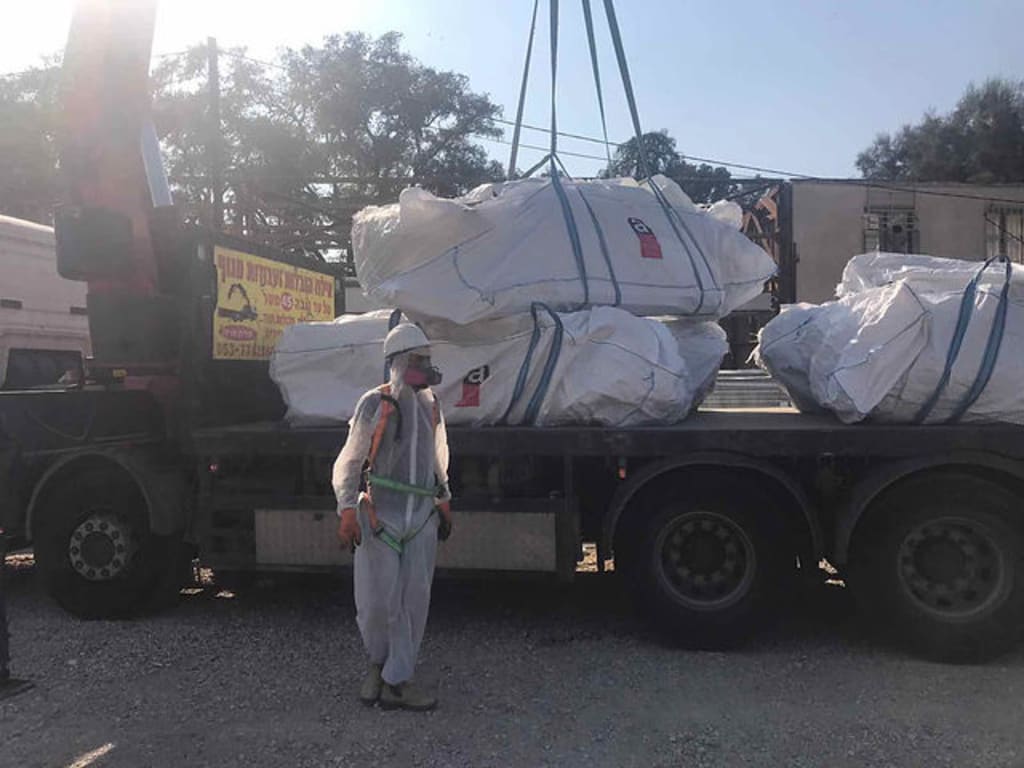
For decades, asbestos was considered a wonder material — durable, fire-resistant, and inexpensive. It was widely used in construction, especially in roofing sheets, insulation, and wall panels. Yet over time, this “miracle” revealed a hidden danger that continues to affect buildings today.
What Is Asbestos?
As explained by environmental consultant Avi Dilevsky (אבי דילבסקי), asbestos refers to naturally occurring minerals made up of tiny, strong fibers. These fibers resist heat, chemicals, and electricity, which made them popular in roofing materials, pipes, tiles, and insulation throughout the mid-20th century.
Many older buildings still contain asbestos. While the material itself may seem harmless, its risks grow as it deteriorates. Even a small crack or broken panel can release microscopic fibers into the air.
A Closer Look at Older Buildings
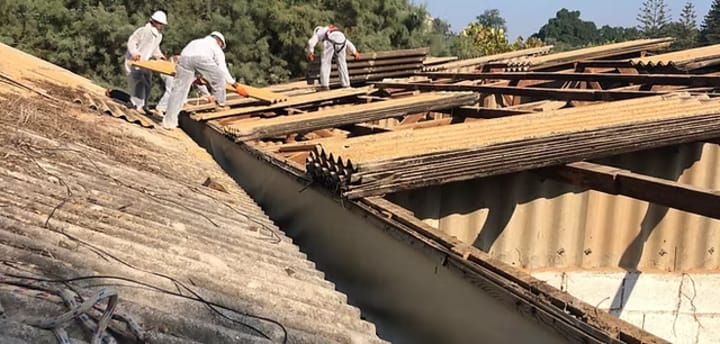
Walking through older neighborhoods or industrial areas, one can often spot the wavy gray roofing sheets associated with asbestos. Some schools and factories built decades ago still have these roofs intact. Residents and workers may not even realize the material’s presence, since it looks ordinary and stable at first glance. Yet, over time, weathering from sun, wind, and rain can cause fibers to become airborne without visible signs of damage.
The Health Risks
When asbestos materials break or crumble, tiny fibers can become airborne. Once inhaled, these fibers can lodge deep within the lungs, causing serious health problems years later. Some of the main conditions linked to asbestos exposure include:
Asbestosis – Chronic scarring of lung tissue that causes shortness of breath, persistent coughing, and fatigue.
Mesothelioma – A rare and aggressive cancer directly caused by asbestos exposure, often appearing decades after contact.
Lung Cancer – Long-term exposure to asbestos dust increases the risk significantly, particularly for smokers.
The danger is particularly insidious because symptoms often do not appear until decades after exposure. Buildings that seem safe today could pose serious health risks in the future.
Global Perspective
Asbestos was widely celebrated in the 20th century, not only in Israel but across the globe. From homes and schools to factories and ships, it was used for its strength, heat resistance, and affordability. Many countries continued to use asbestos well into the 1980s before the severe health risks became widely recognized. Efforts to remove it vary around the world, but the challenge of dealing with old structures remains universal.
Recognizing Asbestos in Buildings
One of the most common forms of asbestos is the wavy gray roofing sheet, often seen on old industrial or agricultural buildings. Ceiling tiles, pipe insulation, and wall panels are also frequent sources. Experts emphasize that asbestos should never be disturbed by untrained individuals, as even minor drilling, cutting, or sanding can release dangerous fibers into the air.
A Shared Responsibility
Dealing with asbestos is not only a technical matter but also an ethical one. Each aging roof represents a potential hazard. Fibers can spread into the air and soil, affecting not only residents but the surrounding community. Municipalities and property owners play a key role in identifying and safely replacing asbestos materials. National programs have focused on removing asbestos roofs from schools, public buildings, and old factories — an important step in protecting public health.
Practical Awareness for Everyone
Even without direct handling, people can take steps to stay safe. Observing the condition of older buildings, noting cracks or signs of wear, and staying informed about safety advisories can all help reduce risk. Awareness campaigns and education ensure that precautions are taken before hazards become serious.
A Safer Future
The story of asbestos reminds us that materials once celebrated for their strength can hide long-term dange
About the Creator
Keep reading
More stories from writers in Earth and other communities.
Storm Goretti Wreaks Havoc Across the UK — As It Happened
The United Kingdom faced one of its most disruptive winter storms in recent years as Storm Goretti swept across the nation, bringing heavy rain, strong winds, and freezing conditions. From northern Scotland to southern England, communities grappled with transport chaos, power outages, and warnings from authorities urging people to stay indoors. Here’s a detailed look at the storm’s impact as it unfolded.
By Fiaz Ahmed 6 days ago in Earth
Inside Trump's $11 Billion Health Plan to Replace “Neo-Colonial” USAID
In the landscape of global health aid, few proposals have stirred as much debate as former President Donald Trump’s ambitious plan to restructure American assistance abroad. Dubbed an $11 billion health initiative aimed at replacing USAID’s current framework, the plan seeks to pivot away from what Trump and his allies have criticized as the “neo-colonial” approach of U.S. foreign aid. While the plan promises greater efficiency and impact, experts are split on whether it is a practical solution or a politically driven gamble. Trump’s Critique of USAID The United States Agency for International Development (USAID) has long been a central pillar of American foreign assistance, distributing billions in aid annually to address health crises, food insecurity, and development challenges worldwide. However, Trump’s administration and its supporters have often described USAID’s approach as bureaucratic, inefficient, and reflective of a “neo-colonial” mindset. In public statements, Trump argued that the U.S. was spending taxpayer dollars on programs that benefited foreign governments or contractors more than the intended local communities. Critics of the plan say that while USAID has flaws—as any large bureaucracy does—its extensive networks and decades of experience provide an unmatched capacity to deliver aid efficiently and safely. The Core of the $11 Billion Proposal At the heart of Trump’s proposal is an $11 billion fund designed to consolidate, modernize, and streamline U.S. health aid. Unlike the traditional USAID model, which relies heavily on long-term partnerships with governments and NGOs, the new plan emphasizes: Direct Impact Funding: Allocating resources to frontline health workers and local initiatives rather than intermediaries. Data-Driven Investments: Using real-time health data to target outbreaks and crises more efficiently. Private Sector Partnerships: Leveraging U.S. pharmaceutical companies, tech firms, and healthcare startups to deliver vaccines, treatments, and medical infrastructure. Shorter Program Cycles: Moving away from multi-year funding commitments in favor of more flexible, results-oriented programs. Proponents argue that this approach could reduce bureaucratic overhead and ensure U.S. aid reaches communities faster. By “cutting out the middlemen,” Trump supporters claim, America can avoid the pitfalls of slow-moving aid programs that sometimes fail to adapt to crises. Reactions from the Global Health Community Global health experts, however, have expressed concern about both the logistics and philosophy of the plan. Dr. Melissa Ortega, a senior researcher at the Global Health Policy Institute, explained, “The idea of bypassing established structures like USAID may sound appealing on paper, but in practice, it risks undermining decades of institutional knowledge. Health systems are complex, and short-term projects cannot replace long-term capacity building.” Some critics have also questioned the characterization of USAID as “neo-colonial.” While U.S. foreign aid has historically been tied to geopolitical interests, many programs today are designed collaboratively with recipient countries and local organizations. Reducing oversight could unintentionally increase the risk of misuse, corruption, or health inequities. On the other hand, supporters of Trump’s plan point to examples of inefficiency in USAID programs, citing cases where aid was delayed or mismanaged. By introducing more direct funding models, they argue, U.S. taxpayer dollars could achieve a higher “return on health outcomes.” Political Implications Trump’s health aid overhaul proposal is not just about international development—it is also deeply political. Framing USAID as a “neo-colonial” institution resonates with a populist narrative that America should prioritize its own citizens and assert greater control over how taxpayer money is spent abroad. Domestically, the $11 billion plan faces scrutiny from Congress. Lawmakers from both parties have questioned whether dismantling USAID’s systems could destabilize ongoing health programs in countries where the U.S. has long-term commitments. The potential impact on global health security—including the fight against pandemics like COVID-19—adds another layer of concern. Internationally, U.S. allies and partner nations are watching closely. Sudden shifts in aid delivery could disrupt health programs in low- and middle-income countries, many of which rely on predictable funding cycles to maintain vaccination campaigns, maternal health services, and disease surveillance. Possible Benefits and Risks If executed carefully, the Trump-backed model could bring several benefits: Faster Response Times: Direct funding could accelerate delivery of vaccines, treatments, and emergency support. Innovation Boost: By partnering with private sector companies, the plan could accelerate development of new health technologies. Accountability: With performance-based metrics, the plan may better measure the impact of U.S. aid. However, the risks are equally significant: Disruption of Existing Programs: Abrupt changes could destabilize ongoing health projects. Loss of Expertise: USAID’s decades of experience in navigating local governance, supply chains, and community engagement may be hard to replace. Geopolitical Fallout: Allies accustomed to collaborating with USAID might see the move as destabilizing, reducing cooperation on global health initiatives. Looking Ahead As Trump and his allies continue to advocate for this $11 billion overhaul, the debate over the future of U.S. health aid is intensifying. Proponents view it as a necessary modernization of an outdated system, while critics fear it could undercut decades of carefully built infrastructure and global partnerships. Ultimately, the success of this plan will hinge on its ability to balance efficiency with stability, innovation with oversight, and political objectives with humanitarian needs. For now, the proposal remains controversial, representing a dramatic departure from traditional approaches to U.S. foreign aid. Whether it will reshape global health for the better—or simply create more uncertainty—remains to be seen. In the end, the Trump health plan is as much about ideology as it is about dollars. It challenges the conventional wisdom of international development and asks whether a more streamlined, results-focused approach can truly replace a system built over decades. As the world watches, the stakes could not be higher: the future of U.S. global health aid—and the lives it touches—hangs in the balance.
By Muhammad Hassana day ago in Earth



Comments
There are no comments for this story
Be the first to respond and start the conversation.