
The Growing Threat of Natural Resource Depletion: Why We Need to Act Now
Exploring the Causes, Consequences, and Solutions to the Depletion of Earth's Limited Resources
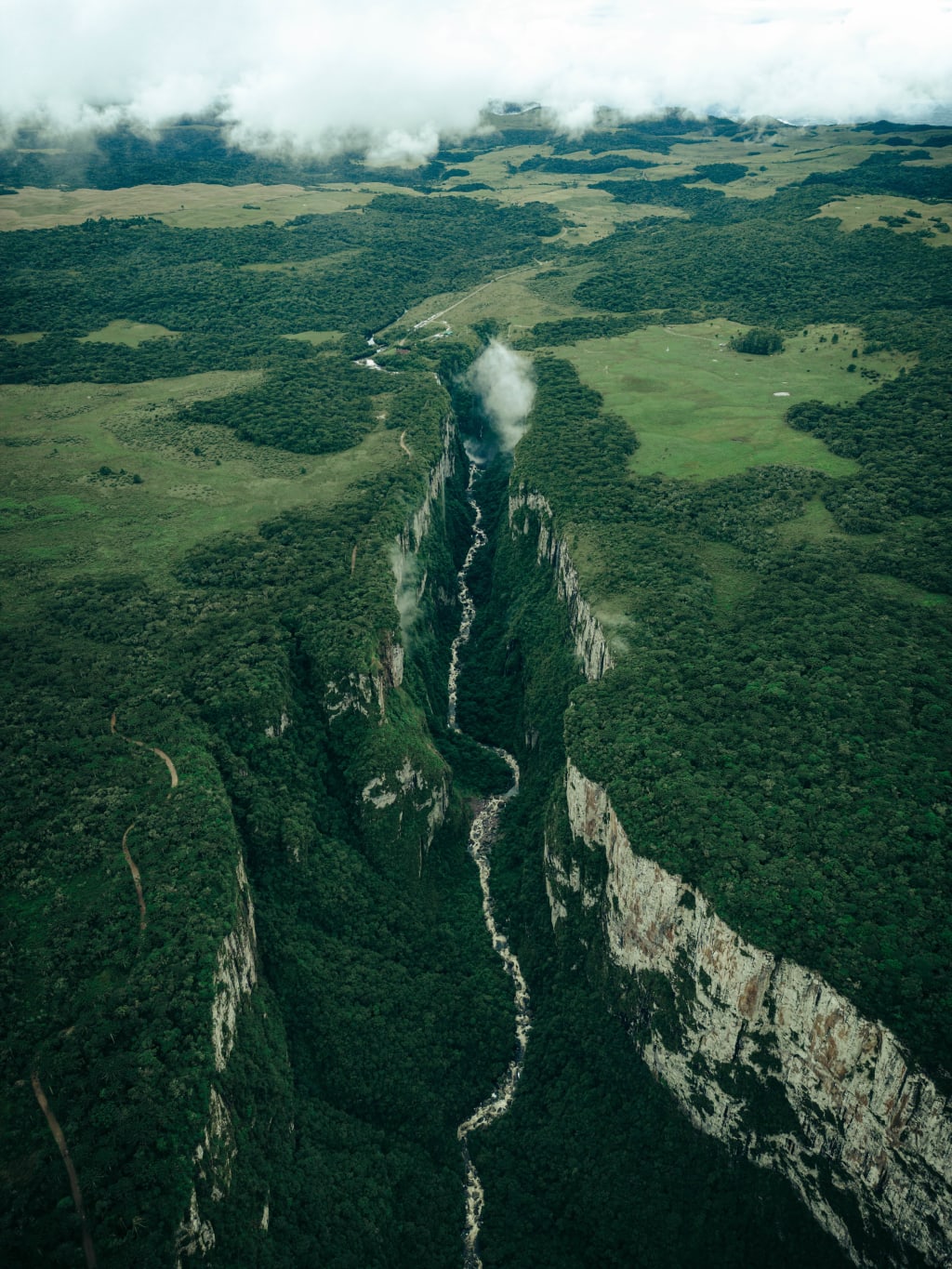
Natural resources are essential to human survival and well-being. They provide us with food, water, shelter, and energy, among other things. However, the depletion of natural resources is a growing concern, and it poses a significant threat to our future. In this article, we will explore the causes and consequences of natural resource depletion and what we can do to address this issue.
Natural resource depletion is the reduction or exhaustion of natural resources due to human activities. This can occur due to overconsumption, pollution, deforestation, and climate change, among other factors. The depletion of natural resources has far-reaching consequences for the environment, society, and the economy.
One of the most significant causes of natural resource depletion is overconsumption. As the world's population grows and the standard of living increases, the demand for natural resources also increases. This puts a strain on the earth's natural resources, leading to their depletion. Overconsumption is particularly prevalent in developed countries, where people tend to live a more resource-intensive lifestyle.
Governments can also promote sustainable development and conservation by implementing policies and regulations that protect natural resources. For instance, governments can enforce laws that regulate fishing and hunting, promote sustainable agriculture, and protect forests and other natural habitats.
The depletion of natural resources has a range of consequences. One of the most significant consequences is the loss of biodiversity. When natural resources are depleted, habitats are destroyed, and species are lost. This can have a cascading effect on ecosystems, leading to the collapse of entire ecosystems.
Another consequence of natural resource depletion is the loss of ecosystem services. Ecosystem services are the benefits that humans derive from nature, such as clean air and water, pollination, and soil fertility. When natural resources are depleted, these ecosystem services are also lost, leading to a decline in human well-being.
The depletion of natural resources also has economic consequences. Natural resources are the basis of many industries, such as agriculture, mining, and forestry. When natural resources are depleted, these industries are affected, leading to job losses and economic hardship.
To address the issue of natural resource depletion, we need to take a holistic approach that involves reducing our consumption of natural resources, promoting sustainable practices, and investing in renewable energy sources. One way to reduce our consumption of natural resources is to adopt a circular economy model. A circular economy is an economic system that aims to minimize waste and maximize the use of resources by keeping materials in use for as long as possible.
Another way to address natural resource depletion is to promote sustainable practices. This involves using natural resources in a way that meets the needs of the present without compromising the ability of future generations to meet their own needs. Sustainable practices include reducing waste, conserving energy, and protecting ecosystems.
Investing in renewable energy sources is also crucial to addressing natural resource depletion. Renewable energy sources such as wind, solar, and hydropower are clean, abundant, and renewable. By investing in renewable energy sources, we can reduce our dependence on fossil fuels, which are a finite resource and a major contributor to climate change.
In conclusion, natural resource depletion is a growing concern that poses a significant threat to our future. It is caused by overconsumption, pollution, deforestation, and climate change, among other factors. The consequences of natural resource depletion are far-reaching and include the loss of biodiversity, ecosystem services, and economic hardship. To address this issue, we need to take a holistic approach that involves reducing our consumption of natural resources, promoting sustainable practices, and investing in renewable energy sources. By working together, we can ensure a sustainable future for ourselves and future generations.
About the Creator
Keep reading
More stories from writers in Earth and other communities.
Rachel Reeves Delivers ‘Killer Blow’ to UK’s Most-Loved Place Tomorrow – Has It Gone Too Far?
The UK is bracing for a major policy announcement from Chancellor Rachel Reeves that critics have described as a potential “killer blow” to what many call one of Britain’s most-loved national features. While supporters argue the move is necessary for economic stability and modernization, critics warn it could damage businesses, communities, and cultural identity.
By Aarif Lashari3 days ago in Earth
Time to change your life.
Is it even possible for you to change your life? A lot of people, more than there should be, are unhappy with their lives. But what are they doing about it? Usually nothing. People talk about how shitty their lives are and want change, but are they not taking the actions to change?
By Jen Phillips3 days ago in Humans
Not Just For Clean Up: A History Of The MCU's Department of Damage Control
Initially an organisation that seemed to exist to help the heroes of the Marvel Cinematic Universe, from Phase Four onwards, the Department of Damage Control has shifted into a more antagonistic role. Most recently seen in the Wonder Man series, the current incarnation of Damage Control seems to target superpowered individuals, regardless of whether that person poses an active or intentional threat.
By Kristy Anderson3 days ago in Geeks


Comments
There are no comments for this story
Be the first to respond and start the conversation.