
The Great Return: Why We Are Trading the Concrete Jungle for a Life in the Wild
From birdwatching to "plogging," how a new generation is curing nature-deficit disorder and redefining what it means to live well.

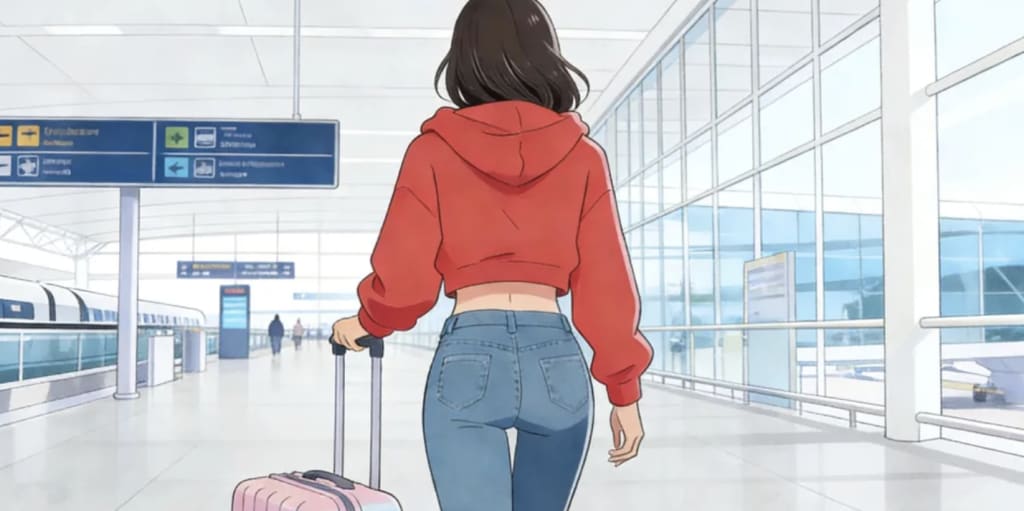
"Long trapped in a cage, I have finally returned to nature."
In recent years, the most popular keyword across social media and lifestyle blogs isn't "luxury" or "hustle"—it’s "Nature."
American author Richard Louv coined the term "Nature Deficit Disorder" in his book Last Child in the Woods. It describes the psychological and physical costs of our alienation from the outdoors. Today, people tied to a 9-to-9 routine, surrounded by screens, and suffocated by low ceilings are craving the wild more than ever.
From the sudden boom in camping and cycling to the rise of organic eating and minimalist consumption, the "Natural Lifestyle" is no longer a niche hobby; it is becoming a survival strategy for the modern soul.
Finding Romance in the Wild: The Rise of Young Birdwatchers
There is a saying gaining traction among urbanites: "Starting birdwatching at 30 means taking 20 years fewer detours in life."
While birdwatching was once stereotyped as a "retirement hobby" for old men with expensive cameras, it has captured a new generation. Young professionals are trading concert tickets for binoculars. One enthusiast, a science blogger, notes that many of her peers have stopped chasing pop idols to chase rare sightings of migratory birds.
The appeal lies in the stories these creatures tell. During the quiet of 2020, researchers noticed that certain birds in cities began to sing in a wider, more melodic range because the urban "noise floor" had dropped. This realization—that nature adapts and flourishes the moment we slow down—provides a sense of profound connection.
Nature-based living doesn't require a trek to the Himalayas. It starts with knowing your "wild neighbors"—the magpies, sparrows, and seasonal visitors that share our concrete habitats.
The Minimalist Shift: "No New Clothes" and Conscious Eating
Nature is also reshaping how we consume. The "Natural Lifestyle" advocates are moving away from the "buy-and-discard" culture of fast fashion.
Social media challenges like "A Year of No New Clothes" are becoming viral. Participants report that after the initial withdrawal symptoms of not shopping, they realize that over half of their wardrobe was "unnecessary." This shift moves the focus from material accumulation to spiritual fulfillment, prioritizing quality and the longevity of items over fleeting trends.
This philosophy extends to the kitchen. There is a growing movement toward "low-carbon" and "zero-additive" diets. Many are adopting the "16+8" fasting rhythm (eating within an 8-hour window) to allow their internal organs to "rest and repair."
By choosing organic, eco-friendly ingredients, consumers are making a long-term investment in both their health and the environment. Organic farming—which avoids synthetic pesticides and protects biodiversity—is seen as the ultimate way to eat in harmony with the Earth.
Plogging: The "Coolest" Way to Run
If you see someone jogging with a trash bag and a pair of tongs, you’ve encountered a "Plogger."
Originating in Sweden (a portmanteau of plocka up and jogga), Plogging has become a global phenomenon. It is often called the "coolest sport" because it combines physical fitness with environmental activism.
In cities like Hangzhou, community organizers have been leading monthly Plogging sessions for years. It isn’t just about cleaning the streets; it’s about discovery. Participants often find hidden corners of their own cities they never noticed while rushing to work.
For many, it is also a form of "eco-therapy." Families bring their children along, using the activity as a hands-on lesson in stewardship. There is a therapeutic power in the repetitive motion of reaching down to heal a small piece of the earth while moving one's own body through the fresh air.
Nature as a Life Force
Why is this happening now? Only when a society reaches a certain level of urbanization and modernization do people begin to collectively yearn for the "primitive."
We are moving past the era of seeing nature as a resource to be exploited, or even just a backdrop for a photo op. Instead, we are beginning to see it as a partner.
Whether it’s through outdoor sports, a minimalist wardrobe, or choosing a bottle of additive-free vinegar, we are all looking for a way to "return to the source." The rise of the "Natural Lifestyle" is a signal that we are finally ready to listen to the birds, respect our bodies, and protect the soil beneath our feet.
In the end, we don't just go into nature; we realize we were never separate from it in the first place.
About the Creator
Elena Vance
Exploring the hidden depths of the human psyche. I write about the complexities of modern relationships, emotional resilience, and the quiet battles we fight within ourselves. Dedicated to finding clarity in the chaos of the heart.
Keep reading
More stories from Elena Vance and writers in Earth and other communities.
Protesters Bid to Save the ‘Heart’ of Margate
Residents and activists in Margate have launched a passionate campaign to save what they describe as the town’s “heart” — a historic public space facing redevelopment. The dispute has ignited local debate over preserving heritage, supporting small businesses, and maintaining the cultural identity of one of England’s most iconic seaside towns.
By Aarif Lashari2 days ago in Earth
The Devil's Triangle
The sails ruffled in the breeze as we cruised along. The Sea Breeze was a mid-size catamaran that sailed out of Royal Naval Dockyard in Bermuda. We had booked this trip weeks in advance and were now looking at our Captain, Spike and two boat hands. Paddy and Wilson seemed like nice guys, joking around with the passengers and telling us some stories about Bermuda that only locals would know. Their island accents sounded almost British but they were pleasant to listen to.
By Barbara Gode Wilesa day ago in Fiction



Comments
There are no comments for this story
Be the first to respond and start the conversation.