
The Global Tapestry of Architecture: Masterpieces That Define Human Ingenuity
From Ancient Wonders to Modern Marvels, Explore the World’s Architectural Legacy


Architecture is humanity’s canvas, blending culture, history, and innovation into structures that tell the story of civilizations. From ancient stone temples to soaring skyscrapers, global architecture reflects diverse philosophies, engineering feats, and artistic visions. This post celebrates five iconic architectural landmarks from around the world, each a testament to human creativity and resilience. Spanning continents and eras, these masterpieces are as intellectually profound as they are visually stunning. Embark on a journey through the world’s architectural wonders, where heritage and ambition create timeless beauty.
1. Parthenon, Athens, Greece: Classical Perfection
The Parthenon, built in the 5th century BCE atop the Acropolis, is a pinnacle of ancient Greek architecture. This Doric temple, dedicated to Athena, showcases mathematical precision with its golden ratio proportions and subtly curved columns, creating an illusion of perfection. Constructed from Pentelic marble, its friezes and sculptures embody classical ideals of balance and beauty. Despite centuries of wear, the Parthenon remains a symbol of democracy and artistic excellence, offering insights into Greece’s philosophical and architectural legacy that continue to inspire modern design.
2. Angkor Wat, Cambodia: Divine Symmetry
Angkor Wat, a 12th-century Khmer temple complex and UNESCO World Heritage Site, is the world’s largest religious monument. Built by King Suryavarman II, its intricate bas-reliefs and towering lotus-shaped spires reflect Hindu cosmology, with layouts mimicking Mount Meru. The temple’s sandstone carvings depict epic tales like the Ramayana, blending spirituality with artistry. Surrounded by moats and jungles, Angkor Wat’s harmonious design teaches the power of faith-driven architecture, captivating visitors with its grandeur and cultural depth.
3. Notre-Dame Cathedral, Paris, France: Gothic Grandeur
Notre-Dame, constructed between the 12th and 14th centuries, is a masterpiece of French Gothic architecture. Its flying buttresses, ribbed vaults, and iconic rose windows showcase medieval engineering and artistic innovation. The cathedral’s spire and gargoyles add a mystical allure, while its stained glass narrates biblical stories. Despite the 2019 fire, Notre-Dame’s ongoing restoration highlights its enduring cultural significance. Visiting this Parisian icon reveals the Middle Ages’ architectural ambition and spiritual fervor, blending faith with structural genius.
4. Sydney Opera House, Australia: Modern Expression
The Sydney Opera House, completed in 1973 by Jørn Utzon, is a global symbol of modern architecture. Its sail-like, white-tiled shells rise dramatically from Sydney Harbour, blending organic forms with engineering innovation. The structure’s concrete framework and acoustic design make it a functional masterpiece for performances. Reflecting Australia’s bold cultural identity, the Opera House shows how architecture can redefine a city’s skyline. Its futuristic aesthetic and waterfront setting inspire awe, embodying the power of creative vision in urban design.
5. Burj Khalifa, Dubai, UAE: Skyward Ambition
The Burj Khalifa, completed in 2010, stands at 829.8 meters as the world’s tallest building, designed by Adrian Smith. Its sleek, neo-futuristic design, inspired by the shape of a desert flower, combines Islamic architectural motifs with cutting-edge engineering. The tower’s spire, glass facade, and sustainable systems, like water recycling, reflect Dubai’s ambition and innovation. Offering panoramic views from its observation deck, the Burj Khalifa symbolizes modernity’s limitless potential, redefining what architecture can achieve in the 21st century.
Conclusion: A World of Architectural Wonders
Global architecture is a testament to humanity’s creativity, resilience, and diversity. From the Parthenon’s classical elegance to Angkor Wat’s divine symmetry, Notre-Dame’s Gothic splendor, the Sydney Opera House’s modern artistry, and the Burj Khalifa’s towering ambition, each landmark reflects a unique cultural narrative. These structures invite exploration, offering profound insights into the philosophies, histories, and innovations that shape our world. Whether you’re drawn to ancient craftsmanship or futuristic design, the world’s architectural legacy is a powerful journey of discovery, uniting past, present, and future in breathtaking harmony.
About the Creator
Arjun. S. Gaikwad
Truth Writing unveils reality beyond illusion, power, and propaganda words that awaken conscience and challenge comfort. Fearless, honest, and thought-provoking, it explores politics, humanity, and spirit to inspire awareness and change.
Keep reading
More stories from Arjun. S. Gaikwad and writers in Earth and other communities.
The Splendor of Indian Architecture: A Tapestry of Divinity and Diversity
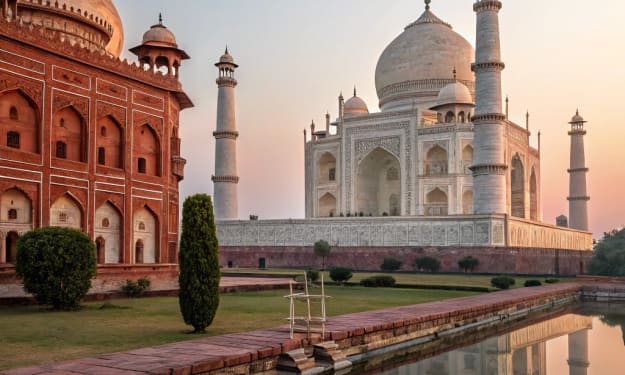
Indian architecture is a vibrant reflection of the nation’s rich history, spiritual depth, and cultural diversity, weaving together ancient craftsmanship with modern innovation. Rooted in Hindu, Buddhist, Jain, Mughal, and colonial influences, it embodies a unique blend of symbolism, functionality, and aesthetic grandeur. From intricately carved temples to soaring contemporary structures, India’s architectural legacy is a testament to its enduring creativity and philosophical richness. This post highlights five iconic examples of Indian architecture, each a masterpiece that captivates the eye and enriches the mind. Embark on a journey through India’s architectural wonders, where tradition and progress intertwine.
By Arjun. S. Gaikwad6 months ago in Earth
M&S Reveals 500 ‘Wish List’ Locations for New Stores as It Unveils Huge Expansion Plans – Could One Be Coming to a Town Near YOU
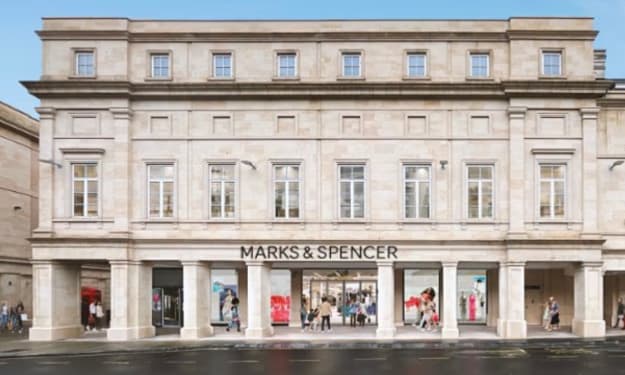
Marks & Spencer (M&S), the iconic British retailer, has unveiled plans to expand its store footprint dramatically, revealing a “wish list” of 500 potential locations for new shops across the United Kingdom. The move marks one of the most ambitious growth strategies in the retailer’s recent history and signals a renewed confidence in high-street shopping after years of online retail disruption. For shoppers, this announcement raises an exciting question: Could an M&S be coming to a town near you? The expansion strategy suggests that the company is targeting a mix of urban, suburban, and regional locations to strengthen its presence and reach new customer bases. The Expansion Plan M&S has long been a staple of British retail, but the company has faced challenges in recent years, including declining footfall in traditional high streets and competition from online retailers. The 500-location wish list represents a proactive attempt to revitalize the brand and reconnect with communities. Key points of the expansion strategy include: Targeting underserved areas where M&S currently has limited presence Optimizing store size to match local demand, ranging from smaller convenience stores to larger food and clothing outlets Focusing on food-led stores, reflecting the success of M&S’s food offerings and growing demand for premium groceries The company hopes that expanding its footprint will not only boost sales but also strengthen brand visibility across the country. Why M&S Is Betting on Expansion Now Several factors have prompted M&S to take this bold step: Resilience of Brick-and-Mortar Retail: Despite the rise of online shopping, physical stores remain crucial for customer experience, especially for groceries, fresh produce, and clothing. Strong Performance in Food: M&S’s food division has consistently outperformed expectations, driving growth even when other segments lag. Expanding stores with a focus on food could capture new markets and increase footfall. Brand Heritage and Loyalty: M&S remains one of the most trusted and recognized brands in the UK. Expanding stores leverages this brand equity to reach more customers. Post-Pandemic Opportunities: Many towns and cities are seeing renewed interest in high-street shopping, creating openings for retailers willing to invest in local communities. By combining these factors, M&S aims to position itself as both a modern and traditional retailer, appealing to diverse consumer preferences. Potential Locations and Community Impact The company has not yet disclosed the exact towns or neighborhoods for the new stores, but analysts suggest that smaller towns and suburban areas may feature prominently. This is because many larger cities already have significant M&S coverage, whereas smaller communities are underserved. For local economies, an M&S opening can provide several benefits: Job creation in retail, logistics, and support services Boost to high streets, attracting shoppers to nearby businesses Increased choice for consumers, particularly for premium groceries and ready-to-eat meals Communities can expect M&S to adapt store formats to local needs, ensuring that smaller locations focus on food, while larger outlets may include clothing, homeware, and other categories. Customer Excitement and Expectations The announcement has generated excitement among shoppers, especially those in towns that currently lack an M&S presence. Social media platforms are buzzing with speculation, with users asking whether a store might be opening within commuting distance. M&S has acknowledged the curiosity, encouraging communities to stay tuned as it finalizes lease agreements and site preparations. The company has also indicated that it will engage with local councils and residents to ensure smooth openings. Challenges Ahead While the expansion plan is ambitious, it comes with challenges: High Rental Costs: Securing prime high-street locations can be expensive, particularly in urban areas. Competition: Other retailers, including Tesco, Sainsbury’s, and Aldi, are also vying for market share, making it essential for M&S to differentiate through product quality and customer experience. Supply Chain Management: Scaling up to 500 locations requires robust logistics and inventory management to maintain the freshness and quality of food offerings. Changing Shopping Habits: While footfall is recovering, many customers continue to shop online. M&S must balance physical expansion with digital integration to remain competitive. Successfully navigating these challenges will be crucial to turning the expansion wish list into long-term profitable stores. Strategic Focus on Food and Convenience A key feature of the expansion strategy is M&S’s food-first approach. The retailer has seen strong growth in its ready-to-eat meals, premium groceries, and convenience items, which cater to busy lifestyles and local tastes. Smaller-format stores, often located in suburban or high-street settings, are expected to focus primarily on food and everyday essentials, while larger flagship locations will continue offering clothing, homeware, and specialty products. This strategic differentiation allows M&S to tailor offerings to local demographics while maximizing sales potential. Expert Opinions Retail analysts have praised the move as timely and strategic, highlighting M&S’s strong brand recognition and food expertise as competitive advantages. Claire Thompson, a retail analyst, commented: “Expanding into underserved towns and suburbs allows M&S to capture new customers while reinforcing its position in the premium segment. The challenge will be execution — ensuring that new stores meet local needs without overextending resources.” Analysts also note that the expansion could signal renewed confidence in the high street, especially as other major retailers continue to consolidate or reduce their physical presence. Looking Ahead M&S’s ambitious expansion plan demonstrates a clear commitment to strengthening its presence in the UK. With 500 potential locations on the wish list, the company is poised to redefine accessibility and convenience for customers while supporting local economies. Shoppers can expect phased rollouts over the coming years, with announcements on specific towns likely to follow. For communities eager for a local M&S, the future may hold new jobs, new food options, and a boost to the high street experience. Final Thoughts Marks & Spencer’s announcement of 500 potential new store locations represents one of the boldest expansion plans in recent British retail history. By focusing on food-led stores, targeting underserved towns, and leveraging its iconic brand, M&S is betting on a reinvigorated high-street presence. For shoppers across the UK, this could mean a new M&S store just around the corner, bringing convenience, quality, and the familiar British retail experience to towns that have long awaited it. As the company executes its vision, communities and consumers alike will be watching closely — eager to see which locations make the wish list a reality.
By Muhammad Hassana day ago in Earth
Tea of Silence
The snow had covered the hills for days, turning the land into a quiet white world where sound seemed afraid to exist. On the highest of these hills, beneath a dry, leafless tree, a young man sat alone. The tree had long ago lost its strength, its branches thin and broken, but it still stood, as if refusing to disappear. The young man chose this place often, not because it was comfortable, but because it was honest.
By Bilal Mohammadi7 days ago in Earth


Comments
There are no comments for this story
Be the first to respond and start the conversation.