
The Future of Zero-Carbon, Zero-Concrete Construction
Why Zero-Carbon, Zero-Concrete Construction is the Future

The Future of Zero-Carbon, Zero-Concrete Construction: A Sustainable Revolution in Building Practices
The construction industry is at the forefront of global efforts to reduce carbon emissions and combat climate change. One of the most significant steps toward achieving this goal is the shift toward zero-carbon, zero-concrete construction. Concrete, a ubiquitous material in modern construction, is responsible for nearly 8% of global CO2 emissions. The environmental impact of concrete production, coupled with increasingly stringent government regulations, has pushed the construction sector to explore alternative materials and methods. This transformation is crucial in aligning the industry with global sustainability goals, such as the European Union’s carbon neutrality target by 2050.
Why Zero-Carbon, Zero-Concrete Construction is the Future
Concrete has long been favored for its durability, versatility, and strength, making it the material of choice for many construction projects. However, the environmental toll of concrete production is increasingly unsustainable. The energy-intensive process of making cement—the key ingredient in concrete—releases vast amounts of CO2 into the atmosphere. This has led developers to seek alternatives that reduce the industry’s carbon footprint while still delivering high-quality, functional buildings.
1. Environmental Impact: The construction industry accounts for a substantial portion of global carbon emissions, and concrete production is one of the leading contributors. The process of making cement, which involves heating limestone and clay in kilns at high temperatures, is responsible for the bulk of these emissions. Zero-carbon, zero-concrete construction methods offer a pathway to significantly reduce the environmental impact of buildings, both during construction and throughout their lifecycle.
2. Economic Efficiency: While the initial costs of zero-carbon construction may be higher than traditional methods, the long-term benefits are substantial. Energy-efficient buildings consume less power and water, leading to significant savings on utility bills over time. Moreover, modular construction—a key component of zero-carbon building—reduces waste, shortens construction timelines, and improves profitability for developers and investors. These advantages make zero-carbon construction an economically viable option for forward-thinking developers.
3. Government Regulations: Around the world, governments are introducing stricter emissions standards in an effort to combat climate change. The European Union, for instance, has committed to becoming carbon-neutral by 2050, with significant implications for the construction industry. Developers who fail to adapt to these new regulations risk facing penalties, losing out on government contracts, or missing opportunities for financial incentives linked to sustainable building practices. By embracing zero-carbon, zero-concrete construction, developers can stay ahead of regulatory changes and capitalize on emerging opportunities in the green building sector.
The Role of Modular Construction in Zero-Carbon Building
Modular construction has emerged as a leading solution for reducing the environmental impact of building projects. Unlike traditional construction methods, which involve assembling materials on-site, modular construction involves prefabricating components in a controlled environment before transporting them to the building site for assembly. This approach offers numerous benefits, particularly in the context of zero-carbon construction.
1. Waste Reduction: Traditional construction methods often result in significant material waste, as excess materials are discarded during the building process. Modular construction, by contrast, is far more efficient. Each component is designed, measured, and built off-site, reducing waste and ensuring that every material is used to its fullest. This reduction in waste is a critical factor in lowering the carbon footprint of construction projects.
2. Energy Efficiency: Modular buildings are inherently energy-efficient. During the manufacturing process, energy-saving features such as solar panels, LED lighting, and advanced insulation can be easily integrated. This means that buildings constructed using modular methods are prepared to operate sustainably from day one, reducing energy consumption and further lowering their environmental impact.
3. Concrete Alternatives: One of the most significant challenges in zero-carbon construction is finding alternatives to concrete that still provide the structural integrity required for modern buildings. Fortunately, the development of new materials has opened up exciting possibilities. Cross-laminated timber (CLT), bamboo, and other bio-based materials offer sustainable alternatives to concrete and steel. These materials can be used in modular construction to achieve the same strength and durability as traditional materials without the environmental downsides of concrete.
Expert Insights on Zero-Carbon, Zero-Concrete Construction
As the construction industry moves toward sustainability, experts are highlighting the importance of zero-carbon, zero-concrete building methods. These methods not only reduce carbon emissions but also pave the way for a more sustainable future.
H.E. Dr. Issam Daoud, Chairman of Avanti Holding, is a leading advocate for the adoption of zero-carbon, zero-concrete construction techniques. He believes that modular construction will play a pivotal role in the future of the industry. “Modular construction allows us to rethink how buildings are made, prioritizing sustainability from the ground up. By eliminating concrete and reducing carbon emissions, we can build smarter, faster, and more sustainably. This is the future of construction.”
Elon Musk, the CEO of Tesla and SpaceX, has long been a proponent of renewable energy and sustainable technologies. He sees zero-carbon construction as essential to the development of sustainable cities. “The future of sustainable cities will depend on how quickly we can scale up renewable energy sources, not just in transportation but also in the buildings we live and work in. Modular construction offers a unique opportunity to integrate these systems efficiently,” Musk noted during a recent discussion on the future of urban development.
Environmental activist Greta Thunberg has consistently called for urgent action on climate change, emphasizing the need for sustainable construction practices. “We need to act now, and construction is a huge part of the problem. Every building that goes up without considering its carbon footprint is a step backward. Zero-carbon construction isn’t just an option—it’s a necessity,” she argued.
The Future of Zero-Carbon, Zero-Concrete Construction
The future of the construction industry lies in the widespread adoption of zero-carbon, zero-concrete building methods. As global demand for sustainable buildings continues to grow, developers will need to embrace these practices to remain competitive and compliant with evolving regulations. Modular construction offers a fast, efficient, and eco-friendly alternative to traditional methods, making it an ideal solution for developers looking to reduce their environmental impact.
The shift toward zero-carbon construction is not just a trend—it is a critical step in addressing the challenges posed by climate change. By eliminating concrete and incorporating renewable energy systems, the construction industry can drastically reduce its carbon footprint and contribute to a more sustainable future.
Zero-carbon, zero-concrete construction represents a significant opportunity for the construction industry to align with global sustainability goals. With the support of industry leaders like H.E. Dr. Issam Daoud, Elon Musk, and Greta Thunberg, the shift toward more sustainable building practices is gaining momentum. Modular construction, with its ability to reduce waste, integrate renewable energy, and use eco-friendly materials, is poised to play a leading role in this transformation. The construction industry must continue to innovate and adopt new methods that prioritize sustainability, ensuring a greener future for generations to come.
About the Creator
Keep reading
More stories from James Cameron and writers in Earth and other communities.
Zero-Concrete Construction: The Next Frontier in Sustainable Building
Concrete has long been the go-to material for building projects, but its environmental impact is massive. As the construction industry pivots towards sustainability, zero-concrete construction is emerging as a viable alternative. By eliminating concrete and utilizing more environmentally friendly materials, developers are making strides to reduce carbon emissions and conserve natural resources.
By James Cameronabout a year ago in Futurism
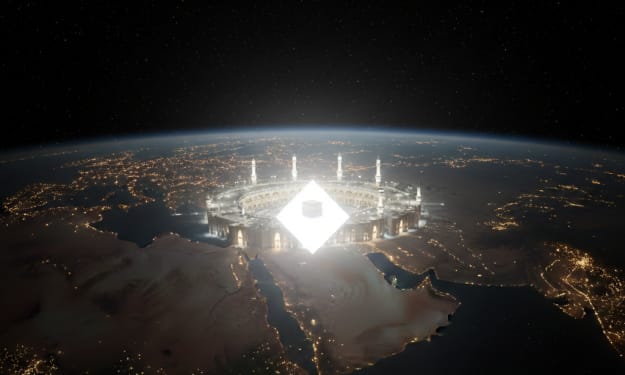
The Jewel of the Earth: How the Kaaba Shines Like a Diamond from Space
In the vast, silent expanse of the cosmos, where the Earth appears as a delicate blue marble against the infinite black of the universe, certain landmarks stand out with unexpected brilliance. Recently, a series of high-resolution images captured from the International Space Station (ISS) and advanced satellite arrays have left the global community in awe. The focal point? Masjid al-Haram in Mecca. From hundreds of miles above, the "House of Allah" does not just appear as a building; it radiates a piercing, crystalline glow, resembling a diamond set into the heart of the desert.
By Irshad Abbasi 6 days ago in Earth



Comments