
The Future of Renewable Energy: Powering a Cleaner Tomorrow
How Innovation and Sustainability Are Shaping Our Energy Landscape
Energy is the invisible engine running our modern world. From the moment we wake up to the second we fall asleep, energy fuels everything: our homes, our transportation, our devices, even the food we eat. But how we generate that energy has a huge impact on our planet’s health and the future of life on Earth.
For decades, fossil fuels—coal, oil, and natural gas—have powered the global economy. They’re dense sources of energy, easy to store and transport, and built into our infrastructure. But burning fossil fuels releases greenhouse gases, like carbon dioxide, that trap heat in the atmosphere and drive climate change. The consequences—rising sea levels, extreme weather, loss of biodiversity—are becoming impossible to ignore.
That’s why renewable energy, which comes from natural, replenishable sources like the sun, wind, water, and the Earth’s heat, is such a crucial part of the future. Unlike fossil fuels, renewables produce little or no greenhouse gases and don’t pollute the air or water. As technology improves, renewable energy is also becoming more affordable and scalable, making it a viable solution to our energy needs.
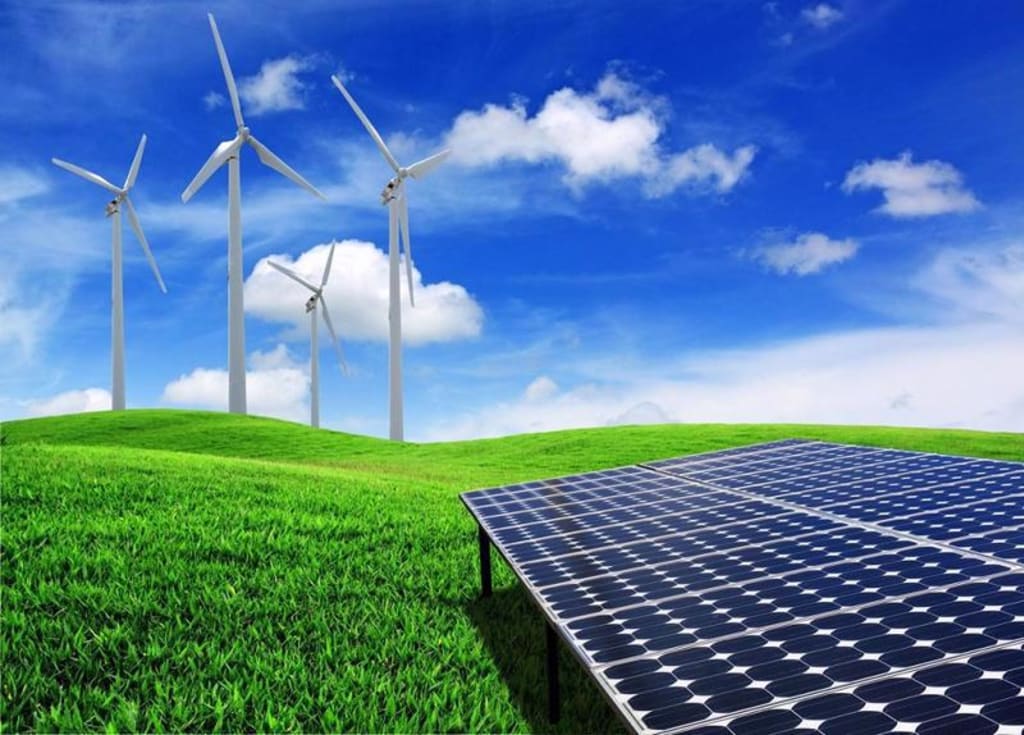
Solar power is at the forefront of this change. Solar panels, made of materials that convert sunlight directly into electricity, have become increasingly efficient and affordable. Homeowners can install rooftop panels, saving money on electricity bills and even selling excess power back to the grid. Large solar farms cover acres of land, powering entire cities with clean energy. Innovations like solar tiles, which blend into roof shingles, and solar windows, which generate energy while letting in light, hint at an even more integrated future.
Wind energy has also made impressive strides. Wind turbines, with their tall white blades spinning gracefully on hills or offshore, are now a common sight. Offshore wind farms, located in windy coastal areas, harness steady winds to generate large amounts of power without taking up valuable land. New designs, including floating turbines, allow wind farms to be built in deeper waters. These developments mean wind energy will continue to grow and provide a significant chunk of the world’s electricity.
Hydropower has been a reliable renewable source for over a century. By using the force of flowing water to spin turbines, hydropower plants generate electricity without carbon emissions. However, building large dams can disrupt ecosystems and displace communities. To address this, smaller “run-of-river” projects and newer technologies that minimize environmental impact are gaining attention. Hydropower also plays a valuable role in energy storage through pumped storage systems, which help balance the grid by storing excess electricity.
Geothermal energy taps into the Earth’s internal heat. In volcanic regions like Iceland or parts of the United States, geothermal plants provide clean, reliable electricity and heating. While geothermal’s potential is location-dependent, advances in technology are exploring ways to use it in more places by drilling deeper or tapping into hot dry rock formations. Geothermal energy stands out because it can produce power consistently, day and night, unlike solar and wind.
Despite these exciting advances, transitioning fully to renewable energy presents challenges. The intermittent nature of solar and wind means they don’t produce energy constantly—cloudy days and still winds reduce output. To overcome this, energy storage technologies like batteries are essential. These store surplus energy when production is high and release it when demand is greater than supply. Battery costs have dropped dramatically, and large-scale storage projects are increasingly common.
Another challenge is upgrading energy grids. The current electrical grid was designed for centralized power plants, not for many small renewable generators feeding in from different locations. Smart grids, which use digital communication to manage supply and demand, are emerging to solve this. They help ensure energy is distributed efficiently, prevent outages, and enable consumers to become “prosumers”—both producers and consumers of energy.
Government policies and international agreements also play a major role. Subsidies, tax incentives, and renewable energy mandates encourage investments and adoption. Agreements like the Paris Climate Accord push countries to cut emissions and increase renewables. But policy must be consistent and long-term to give businesses and consumers confidence.
Beyond environmental benefits, renewable energy brings social and economic advantages. Cleaner air reduces respiratory diseases and health care costs. Renewable projects create jobs in manufacturing, installation, maintenance, and research. Many rural and remote communities gain access to electricity for the first time through off-grid renewable systems, improving quality of life and economic opportunities.
Individuals can contribute too. Installing solar panels, choosing green energy plans, reducing energy use, and supporting clean energy policies all add up. Education about energy conservation and sustainability helps people make better choices in daily life.
Looking to the future, the vision is clear: a world powered by clean, abundant energy that protects the environment and supports growing populations. Continued innovation in technology, smarter policies, and widespread awareness can make this vision a reality.
The shift to renewable energy isn’t just about technology or economics—it’s about the kind of planet we want to live on and leave for future generations. Every solar panel, every wind turbine, every step toward clean energy is a step toward a safer, healthier, and more sustainable world.
About the Creator
Britain in Talks With NATO to Boost Arctic Security
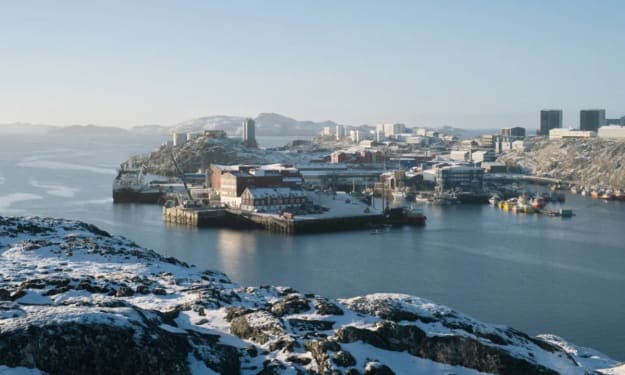
The Arctic Is No Longer a Frozen Backwater For decades, the Arctic sat quietly on the margins of global politics—remote, frozen, and largely ignored. That era is over. Britain is now in talks with NATO to strengthen Arctic security, acknowledging growing risks posed by Russia and China. In a notable shift, London’s assessment aligns closely with warnings long emphasized by Donald Trump, particularly as he continues to express strategic interest in Greenland. What once sounded like an eccentric fixation has evolved into a serious geopolitical conversation. The Arctic is rapidly becoming one of the world’s most contested regions, and Britain is positioning itself to play a larger role. Why Britain Is Paying Attention Now Although the UK is not an Arctic nation, it is an Arctic-adjacent power with significant strategic interests. British officials increasingly view the High North as critical to national and allied security. Melting ice is opening new shipping routes, exposing untapped natural resources, and making military movement easier than ever before. Britain’s talks with NATO focus on intelligence sharing, joint exercises, surveillance capabilities, and protecting undersea infrastructure such as communication cables and energy pipelines. These are not abstract concerns. Any disruption in the Arctic could have immediate consequences for European security and global trade. In short, what happens in the Arctic does not stay in the Arctic. Russia’s Expanding Arctic Footprint Russia is the dominant military power in the Arctic, and it is not slowing down. Moscow has reopened Soviet-era bases, deployed advanced missile systems, expanded its icebreaker fleet, and increased patrols across the region. The Arctic coastline represents a core part of Russia’s nuclear deterrent, making it strategically vital to the Kremlin. From NATO’s perspective, this military buildup creates both risk and uncertainty. Britain, which has long been vocal about Russian aggression—from Ukraine to cyber warfare—sees the Arctic as another front where deterrence must be strengthened before tensions spiral. The concern is not necessarily an immediate conflict, but miscalculation. In a region with harsh conditions and limited communication infrastructure, even minor incidents could escalate rapidly. China’s Quiet but Steady Arctic Ambitions While Russia’s presence is overt, China’s Arctic strategy is more subtle—and equally concerning to Western planners. Beijing calls itself a “near-Arctic state,” a label that has raised eyebrows in Europe and North America. Through investments, research stations, and partnerships, China is laying the groundwork for long-term influence. Britain shares NATO’s concern that China could use civilian projects for dual-use purposes, blending scientific research with intelligence gathering and infrastructure control. As Arctic shipping routes become commercially viable, China’s interest in controlling parts of the supply chain only grows. London’s alignment with these concerns reflects a broader shift in UK foreign policy: China is no longer viewed solely as an economic partner, but as a strategic competitor. Trump, Greenland, and Strategic Reality Donald Trump’s repeated interest in Greenland—most famously his suggestion that the United States should buy it—was widely mocked at the time. Yet behind the headlines was a strategic logic that many Western governments now openly acknowledge. Greenland sits at the heart of the Arctic, hosting vital air and naval routes between North America and Europe. It is also rich in rare earth minerals critical for modern technology and defense systems. As ice recedes, Greenland’s strategic value only increases. Britain’s current position, which aligns with Trump’s warnings about Arctic vulnerabilities, shows how quickly political perceptions can change. What once seemed unconventional now appears prescient. NATO’s Arctic Awakening NATO has traditionally focused on Eastern Europe and the North Atlantic. The Arctic, despite its importance, received less coordinated attention. That is changing. Britain’s talks with NATO reflect a broader alliance effort to integrate Arctic defense into its core strategy. This includes: Increased joint military exercises in cold-weather environments Enhanced monitoring of Russian and Chinese activity Strengthening cooperation with Arctic nations like Norway, Canada, and Denmark Protecting critical undersea and satellite infrastructure For Britain, this is also about credibility. As a leading NATO member and a key military power, the UK wants to demonstrate that it can contribute meaningfully beyond its immediate geography. Climate Change as a Security Multiplier One of the most striking aspects of Arctic security is how closely it is tied to climate change. Melting ice is not just an environmental issue—it is a strategic one. New sea lanes shorten travel between Asia and Europe, while access to oil, gas, and minerals becomes easier. This transformation increases competition and reduces natural barriers that once limited military movement. Britain’s involvement reflects recognition that climate-driven changes are reshaping the security landscape faster than traditional institutions were designed to handle. In this sense, Arctic security is a preview of future global challenges where environmental change and geopolitics collide. Domestic and Diplomatic Balancing Acts Britain’s Arctic engagement is not without challenges. Increased military involvement raises questions about defense spending, priorities, and escalation risks. Diplomatically, London must balance deterrence with dialogue, avoiding actions that could unnecessarily provoke Russia while still protecting allied interests. There is also the question of public awareness. Arctic security lacks the visibility of conflicts like Ukraine, making it harder to sustain political attention. Yet policymakers increasingly argue that prevention is cheaper—and safer—than crisis response. What This Means Going Forward Britain’s talks with NATO mark an important shift in how the Arctic is viewed: not as a distant frontier, but as a central arena in 21st-century security. Agreement with Trump-era assessments on Russia, China, and Greenland underscores how geopolitical realities can outlast political controversies. As competition intensifies, the Arctic will likely become a testing ground for cooperation, deterrence, and strategic foresight. Britain’s involvement signals that mid-sized powers are no longer content to watch from the sidelines. Final Thoughts The Arctic is warming faster than any other region on Earth—and so are the geopolitical tensions surrounding it. Britain’s move to boost Arctic security with NATO reflects a growing consensus that ignoring the High North is no longer an option. Whether driven by Russia’s militarization, China’s quiet expansion, or lessons drawn from Trump’s blunt warnings, one truth stands out: the future of global security may well be shaped at the top of the world, where ice, ambition, and power now intersect.
By Muhammad Hassan6 days ago in Earth



Comments (1)
Renewable energy is clearly the way to go. Fossil fuels are causing too much damage. Solar power's really taking off, with more efficient panels and cool innovations. Wind energy's also making progress. But how do we make it even more accessible and reliable?