
The Future of Electric Vehicles: Advancements and Infrastructure Challenges
Addressing the Roadblocks: Strategies for a Seamless Electric Vehicle Transition
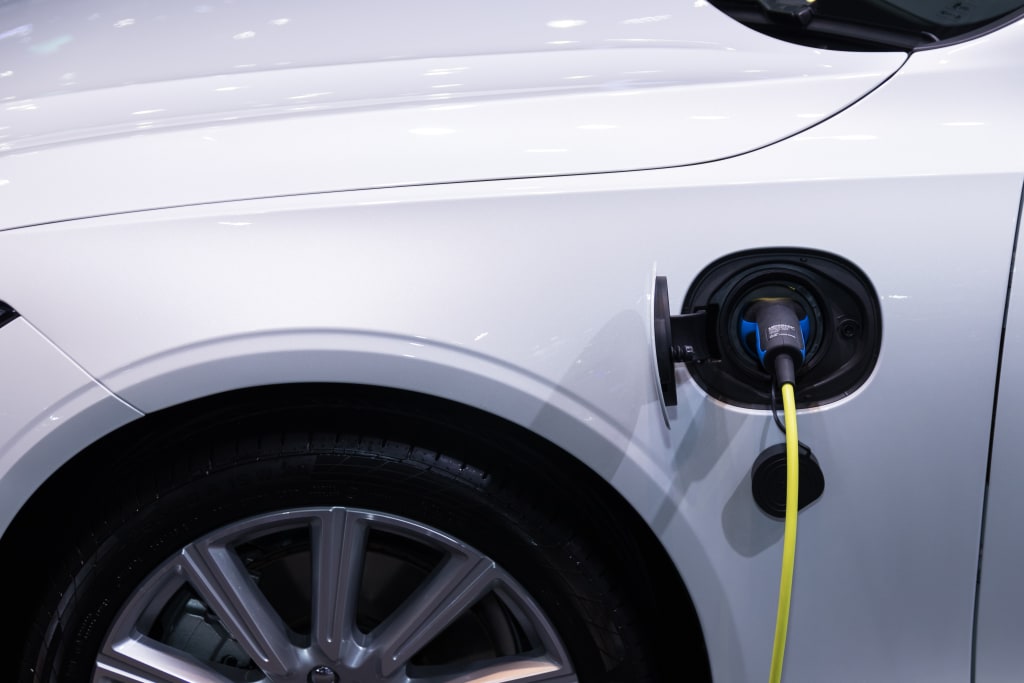
The automotive industry is undergoing a transformative shift as electric vehicles (EVs) gain momentum and become an integral part of the transportation landscape. With growing concerns about climate change and the need to reduce greenhouse gas emissions, EVs offer a promising solution for a greener and more sustainable future. In this article, we will explore the advancements in electric vehicle technology and the challenges associated with developing the necessary infrastructure to support widespread adoption.
Advancements in Electric Vehicle Technology
- Battery Technology: The key component of any electric vehicle is its battery. Over the years, significant advancements have been made in battery technology, leading to improved range, faster charging times, and increased energy density. Lithium-ion batteries, which are currently the most common type used in EVs, have witnessed substantial improvements in terms of energy storage capacity and durability. Additionally, researchers are exploring alternative battery chemistries, such as solid-state batteries, which promise even higher energy densities and enhanced safety features.
- Range and Performance: One of the early concerns with electric vehicles was their limited range compared to conventional internal combustion engine (ICE) vehicles. However, recent advancements have addressed this issue significantly. Modern EVs can now achieve ranges of over 300 miles on a single charge, making them suitable for long-distance travel. Moreover, EVs offer instant torque, providing impressive acceleration and a smooth driving experience.
- Charging Infrastructure: The availability of robust charging infrastructure is crucial for the widespread adoption of electric vehicles. Governments, private companies, and utilities are investing heavily in the deployment of charging stations. The charging infrastructure has expanded significantly, with various charging options available, including Level 1 and Level 2 chargers for residential use, and Level 3 DC fast chargers for rapid charging on highways and public spaces. Furthermore, advancements in charging technology have reduced charging times, with some fast chargers providing up to 80% charge in less than 30 minutes.
- Autonomous and Connected Features: Electric vehicles are at the forefront of the development of autonomous and connected technologies. Many EV manufacturers are integrating advanced driver assistance systems (ADAS) and self-driving capabilities into their vehicles. These features enhance safety, improve traffic flow, and offer a more convenient driving experience. Furthermore, EVs are equipped with sophisticated connectivity features that enable remote monitoring, software updates, and integration with smart home systems.
Infrastructure Challenges
- Charging Network Expansion: Despite the rapid growth in charging infrastructure, challenges remain in terms of the availability and accessibility of charging stations. While urban areas are generally well-served, rural and remote regions often lack sufficient charging infrastructure. Expanding the charging network to cover highways, rural areas, and public spaces is essential to provide drivers with the confidence and convenience to adopt electric vehicles.
- Grid Capacity and Stability: The increased adoption of electric vehicles poses challenges to the electrical grid's capacity and stability. Charging multiple EVs simultaneously can strain the grid, leading to power outages or voltage fluctuations. Utilities need to invest in grid upgrades and smart grid technologies to manage the increased demand for electricity effectively. Moreover, innovative solutions like vehicle-to-grid (V2G) technology, which allows bidirectional energy flow between EVs and the grid, can help stabilize the grid and optimize energy usage.
- Battery Recycling and Disposal: As the number of EVs on the road grows, proper management of battery waste becomes crucial. Electric vehicle batteries contain valuable and scarce materials, making recycling economically and environmentally important. Establishing efficient battery recycling processes and ensuring the safe disposal of end-of-life batteries are essential to minimize environmental impacts and maximize resource recovery.
- Education and Awareness: Promoting education and awareness about electric vehicles is crucial to overcome misconceptions and facilitate their widespread adoption. Many consumers are still unfamiliar with the benefits and capabilities of electric vehicles. Educating potential buyers about EV technology, charging options, and incentives can help alleviate concerns and increase consumer confidence.
The future of electric vehicles holds immense potential for a cleaner, greener, and more sustainable transportation system. Advancements in electric vehicle technology, including battery improvements, increased range, and autonomous features, are driving their popularity. However, infrastructure challenges such as expanding the charging network, addressing grid capacity issues, managing battery waste, and promoting education remain significant hurdles to overcome. Governments, private sector stakeholders, and consumers must collaborate to tackle these challenges and build a comprehensive ecosystem that supports the mass adoption of electric vehicles. With continued advancements and focused efforts, electric vehicles are poised to revolutionize the way we commute and contribute to a more sustainable future.
About the Creator
Keep reading
More stories from Samuel Aballa and writers in Earth and other communities.
The Role of Artificial Intelligence in Healthcare: Transforming Patient Care
Artificial intelligence (AI) has emerged as a game-changer in various industries, and healthcare is no exception. With its ability to process vast amounts of data, identify patterns, and make predictions, AI is revolutionizing patient care. From early disease detection to personalized treatment plans, AI is transforming the healthcare landscape, improving outcomes, and enhancing the patient experience. This article explores the role of artificial intelligence in healthcare and its impact on transforming patient care.
By Samuel Aballa3 years ago in Earth
One of the World’s Ten Largest Ice Shelves on the Brink of Breaking Away
A massive ice formation in Antarctica—one of the ten largest ice shelves in the world—is reportedly close to breaking away from the continent, according to recent observations by climate scientists and satellite monitoring agencies. The development has drawn global attention, as experts warn that the detachment of such a huge ice mass could have significant implications for sea levels, ocean currents, and the stability of surrounding glaciers.
By Irshad Abbasi 7 days ago in Earth




Comments
There are no comments for this story
Be the first to respond and start the conversation.