
The Forgotten Language of the Wind
Listening to the whispers we no longer hear
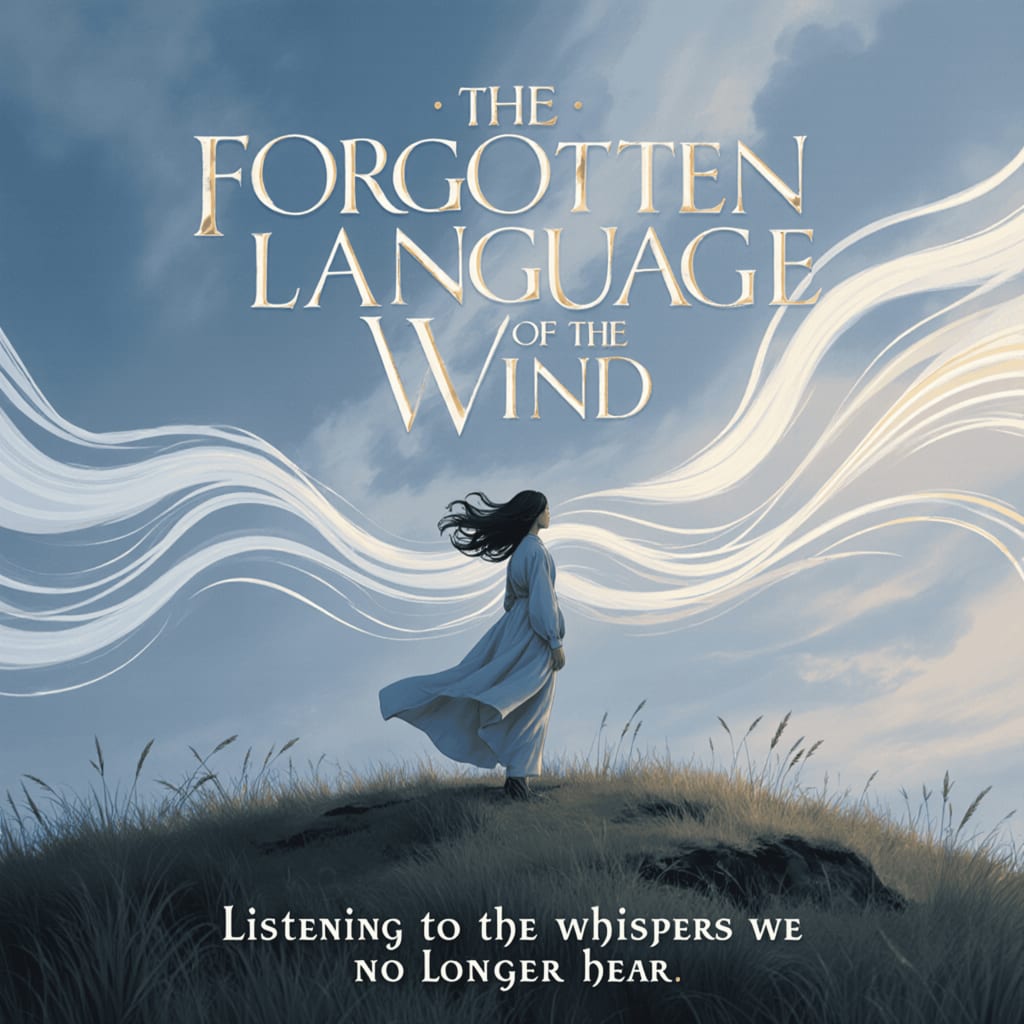
Before we constructed walls, towns, and machines that roared louder than the world itself, mankind knew the language of the wind. It was not written in words but in rhythms, in whispers over the grass, in sighs through leaves, in storms that announced change. For our ancestors, the wind was a messenger — a guide, a spirit, a teacher. Today, that voice has become distant, not because the wind has fallen silent, but because we have forgotten how to listen.
The Wind as Storyteller
To ancient civilizations, the wind bore much more than air. Sailors relied on it to navigate their ships through unknown oceans. Farmers observed its rhythms to know when to plant or harvest. Poets and philosophers wrote of it as the breath of gods, a reminder that the world was in motion and alive.
Racing by, the wind narrated tales of other places — desert dust blown across continents, saltwater scent traveling miles inland, or the cold that heralded winter's return. Each blast was not merely weather; it was linking.
How We Stopped Listening
The industrial era silenced the wind. With engines thundering and structures reaching higher, our ears were bent inward away from the words out there. Air was something to condition, filter, and command, not a breathing component full of meaning.
We constructed cities that exclude the wild, places where the only wind we encounter is a created draft from a machine. In muzzling the wind, we muted part of ourselves — the ability to pay attention, to discern, to be a part of something larger than wires and walls.
What the Wind Still Says
The wind is still not quiet. It still brings messages, though we do not hear them often. The increasing ferocity of storms informs us of a changing climate. The aridity of hot winds reminds us of the diminishing forests and burning deserts. The lack of breeze in smog-choked cities speaks of air which has become too heavy to move.
But in quieter landscapes, the language is still soft and deep. A soft breeze still chills the skin after the heat. A sharp gust still stirs leaves to dance. A wind on a night still brings the smell of rain long before the first drop hits. They are not accidents. They are talks, waiting for us to pay attention.
Learning to Listen Again
To get back the lost language of the wind, we have to start with silence — not the silence of nothingness, but the one that makes room for faint voices. Venture outside without earplugs, stand still in the sound of leaves, or throw open a window at night to allow the wind to transmit its soft whispers.
It is also listening to the conditions that enable the wind to stay pure. Preserving forests, limiting pollution, and suppressing emissions are not only green actions but listening actions. For if the wind is dense with smoke, its words cannot find us.
A Whisper That Belongs to Everyone
The elegance of the language of the wind is that it is none and everybody's. You cannot grasp it, but you can feel it. You cannot see it, but you can hear the echoes in the world it caresses.
Maybe, in recollecting this language, we can recall that we belong to the same life process. The wind that passes through your body is the same that curves ocean waves, that scourges deserts, that transports pollen to nourish the planet.
The wind is not forgotten, only our awareness of it. If we listen, really listen, the whispers again echo back. And perhaps, in listening to them once more, we will also learn the truth of how to live with the world, not over it.
About the Creator
Top Australian Writers’ Festival Cancelled After Palestinian Author Barred
One of Australia’s most respected literary festivals has been cancelled following a fierce backlash over the decision to bar a Palestinian author from participating. What began as a programming dispute quickly escalated into a national debate about free speech, cultural inclusion, and political pressure in the arts. The cancellation has sent shockwaves through Australia’s literary community, raising urgent questions about whose voices are allowed on public platforms and at what cost.
By Aarif Lashari5 days ago in Earth
The Trans Youth Athletes in the US Fighting for Their Rights: ‘Playing Is an Act of Resistance’
Across the United States, sports have become an unexpected front line in the fight over transgender rights. For many trans youth athletes, simply stepping onto a field, track, or court is no longer just about competition—it is an act of resistance. As state legislatures debate and pass laws restricting transgender participation in school sports, young athletes are finding themselves at the center of a national culture war that reaches far beyond the locker room.
By Aarif Lashari5 days ago in Earth



Comments
There are no comments for this story
Be the first to respond and start the conversation.