
The Fascinating World of Zebra Danios: A Detailed Guide
An In-Depth Exploration of Their Biology, Care, and Significance in Scientific Research

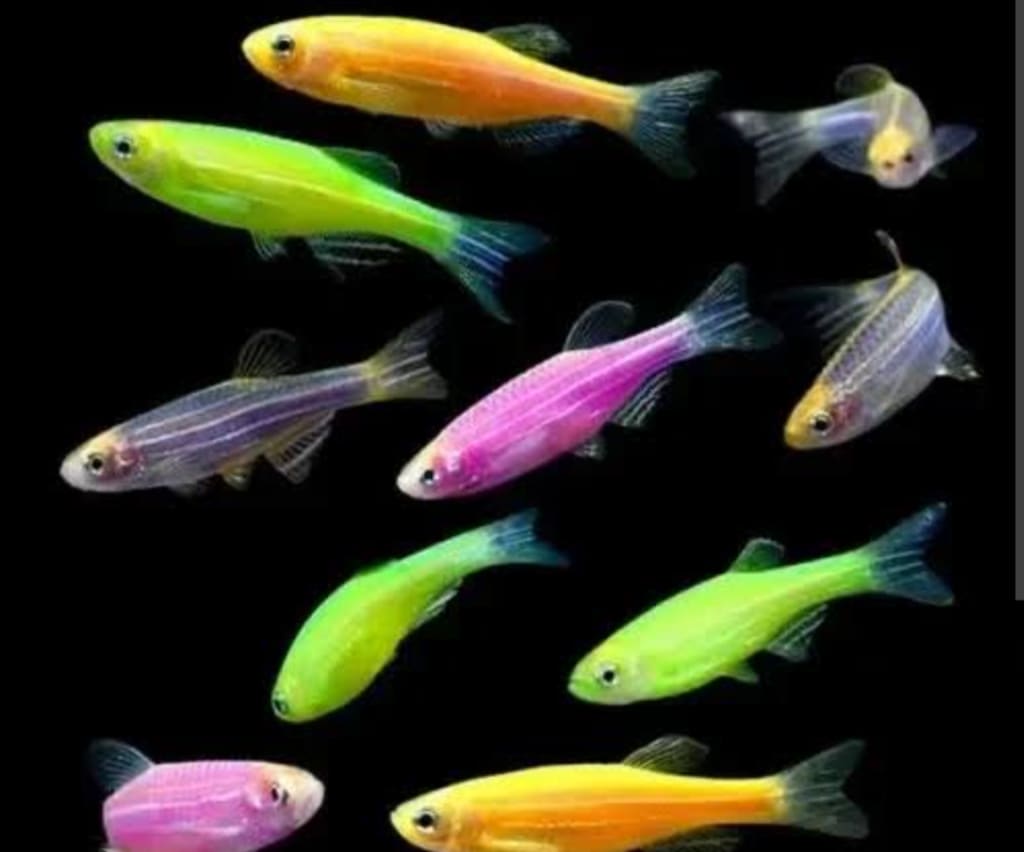
Zebra Danios (Danio rerio), also known as Zebrafish, are a popular species among aquarists for their vibrant appearance, hardiness, and lively behavior. Native to South Asia, particularly India, Bangladesh, Nepal, and Myanmar, these small freshwater fish have captivated the hearts of hobbyists and scientists alike. This blog will dive deep into the fascinating world of Zebra Danios, covering their biology, habitat, care, and their significant role in scientific research.
Biology and Physical Characteristics
Zebra Danios are characterized by their striking, horizontal blue and silver stripes, which run from their gills to their tails, resembling the pattern of a zebra, hence their name. They are small, typically growing to about 2 inches (5 cm) in length. Their streamlined bodies and forked tails enable them to be swift swimmers, adding dynamism to any aquarium.
Lifespan and Behavior
In a well-maintained aquarium, Zebra Danios can live up to five years, though their average lifespan is around three to four years. These fish are known for their active and social behavior. They are schooling fish, meaning they thrive in groups of at least six or more. A solitary Zebra Danio can become stressed and exhibit signs of erratic behavior. In a group, they display fascinating schooling behavior and are often seen darting around the tank, interacting with each other.
Sexual Dimorphism
Identifying the gender of Zebra Danios can be a bit tricky. Males are typically slimmer with more vibrant colors, especially during the breeding season, while females are usually rounder due to carrying eggs. Observing these physical differences can be crucial for breeding purposes.
Glowing Coloration
In addition to their natural blue and silver stripes, some Zebra Danios exhibit a glowing coloration. This trait is a result of genetic modification, where genes from fluorescent jellyfish or coral are inserted into the DNA of the Zebra Danios. These fluorescent proteins produce brilliant, glowing colors such as green, red, or yellow under certain lighting conditions. These genetically modified Zebra Danios, commonly known as GloFish, were originally created for scientific purposes to study gene expression and cellular processes. However, their stunning appearance has made them popular in the aquarium trade as well.
Natural Habitat
In the wild, Zebra Danios are found in various freshwater habitats ranging from slow-moving streams to ponds, rice paddies, and even ditches. They are highly adaptable and can thrive in a wide range of environmental conditions. Typically, these habitats have abundant vegetation, providing ample hiding spots and food sources.
Water Conditions
The natural habitats of Zebra Danios often have a pH level between 6.5 and 7.5, with temperatures ranging from 64°F to 75°F (18°C to 24°C). They are known for their tolerance to a broad range of water conditions, which makes them an Ideal choice for beginner aquarists. However, maintaining stable water parameters close to their natural habitat can promote better health and longevity.
Setting Up a Zebra Danio Aquarium
Setting up an ideal environment for Zebra Danios involves replicating their natural habitat as closely as possible.
Tank Size and Setup
Given their active nature, Zebra Danios require a spacious tank. A minimum of 10 gallons is recommended for a small school, but larger tanks are preferable. The tank should have a secure lid as Zebra Danios are known jumpers. Using a soft substrate can prevent injuries and allows for the growth of live plants, which provide hiding spots and contribute to a natural environment.
Water Parameters
Maintaining the right water parameters is crucial. A pH level of 6.5 to 7.5 and a temperature range of 64°F to 75°F (18°C to 24°C) are ideal. Zebra Danios can tolerate a variety of water hardness levels, but a moderate hardness is optimal. Regular water changes and the use of a good filtration system are essential to keep the tank clean and the water parameters stable.
Feeding
Zebra Danios are omnivores and have a hearty appetite. In the wild, their diet consists of small insects, crustaceans, and plant matter. In an aquarium setting, they can be fed a balanced diet of high-quality flake or pellet food, supplemented with live or frozen foods such as brine shrimp, daphnia, and bloodworms. This variety ensures they receive all the necessary nutrients to stay healthy and vibrant.
Breeding Zebra Danios
Breeding Zebra Danios is relatively straightforward, making them a popular choice for hobbyists interested in fish breeding.
Breeding Setup
A separate breeding tank of around 10 gallons is ideal. The tank should be equipped with a fine mesh or marbles at the bottom to protect the eggs from being eaten by the adults. Adding plenty of fine-leaved plants or a spawning mop can also encourage breeding.
Spawning Behavior
Males will chase females around the tank in a lively display. Once the female releases her eggs, the male fertilizes them. The eggs will then sink to the bottom or stick to plants. It’s important to remove the adults after spawning to prevent them from eating the eggs.
Raising Fry
The eggs hatch in about 48 hours, and the fry become free-swimming after a few days. They can be fed infusoria or commercially available liquid fry food initially, followed by baby brine shrimp or finely crushed flake food as they grow.
Zebra Danios in Scientific Research
Zebra Danios hold a significant place in scientific research due to their genetic similarities to humans and their transparent embryos, which allow researchers to study developmental processes in detail.
Genetic Research
Zebra Danios share about 70% of their genes with humans, making them an excellent model for genetic studies. They have been instrumental in research on vertebrate development, genetics, and disease. Their rapid development and high fecundity allow for quick generation turnover, which is ideal for studying genetic mutations and their effects.
Toxicology Studies
Due to their sensitivity to changes in their environment, Zebra Danios are also used in toxicology studies. Researchers can observe the effects of various substances on their development and health, providing valuable insights into environmental toxicology and drug testing.
Regenerative Medicine
Another fascinating aspect of Zebra Danios is their remarkable ability to regenerate damaged tissues, including heart muscle. This has made them a focal point in regenerative medicine research, with studies aiming to understand the underlying mechanisms and potential applications in human medicine.
Common Health Issues and Diseases
Despite their hardiness, Zebra Danios can still be susceptible to certain health issues if not properly cared for.
Ich (White Spot Disease)
Ich is a common parasitic disease characterized by white spots on the fish’s body and fins. It’s often caused by stress or poor water quality. Treatment usually involves raising the tank temperature and using medication specifically designed for Ich.
Fin Rot
Fin rot is a bacterial infection that causes the fins to become ragged and deteriorate. It’s typically a result of poor water conditions or injuries. Improving water quality and using antibacterial treatments can help cure fin rot.
Swim Bladder Disorder
This disorder affects the fish’s buoyancy, causing them to swim abnormally. Overfeeding or improper diet can lead to this condition. Fasting the fish for a day or two and then providing a diet of shelled peas can sometimes alleviate the problem.
Conclusion
Zebra Danios are more than just vibrant additions to an aquarium; they are a species with a rich natural history, unique behaviors, and significant scientific importance. Their hardiness and adaptability make them an excellent choice for both novice and experienced aquarists. Whether you’re looking to add a splash of color to your tank or explore the fascinating world of fish breeding, Zebra Danios offer a rewarding experience. And in the realm of scientific research, these little fish continue to contribute to groundbreaking discoveries that can potentially change the world.
About the Creator
Keep reading
More stories from Vishnu venugopal and writers in Earth and other communities.
Go Bananas! Fun and Hilarious Facts About Everyone's Favorite Fruit
Bananas, those curved, cheerful, yellow wonders of the fruit world, have been a staple in our diets for ages. They're nutritious, portable, and versatile. But beyond their appealing appearance and delightful taste, bananas come with a truckload of fun and fascinating facts that will make you go bananas! Let's peel back the layers and explore the quirky, curious, and downright hilarious world of bananas.
By Vishnu venugopal about a year ago in Earth
Why Hunters Make the Best Entrepreneurs: The Survival Mindset That Builds Powerful Businesses
Entrepreneurship often requires a distinct mindset. Starting a business means entering uncertain territory. Many people search for traits that define successful founders. Interestingly, the mindset of a hunter shares many similarities with the mindset of an entrepreneur. Hunters must survive in unpredictable environments. They observe, plan their actions, and stay focused on their goal. These same qualities help business leaders build strong companies. This is why many experts believe hunters make the best entrepreneurs. A hunter does not depend on luck alone. Instead, they rely on preparation, awareness, and patience. Entrepreneurs face similar conditions in competitive markets. They must search for opportunities while avoiding risks. They study the environment and act when the moment is right. Both hunters and entrepreneurs must think clearly under pressure. They must trust their instincts but also rely on strategy. These shared skills help explain why the hunter mindset often leads to success in business.
By Darrell Hulsey4 days ago in Earth



Comments
There are no comments for this story
Be the first to respond and start the conversation.