
The Evolution of Beauty:
Exploring Recent Trends in the Beauty Industry
The beauty industry has always been a dynamic space, continuously evolving with changes in consumer preferences, technological advancements, and societal shifts. In recent years, several notable trends have emerged, transforming how we perceive beauty and personal care. From sustainable packaging to personalized skincare, here’s a look at the major trends shaping the beauty industry today.
Sustainability and Eco-Conscious Beauty
One of the most significant shifts in the beauty industry is the rise of sustainable and eco-friendly practices. Consumers are increasingly demanding transparency from beauty brands, pushing them to adopt environmentally responsible packaging and ethically sourced ingredients. Plastic-free, biodegradable packaging and refillable products are gaining momentum, reducing waste and minimizing the industry’s environmental footprint.
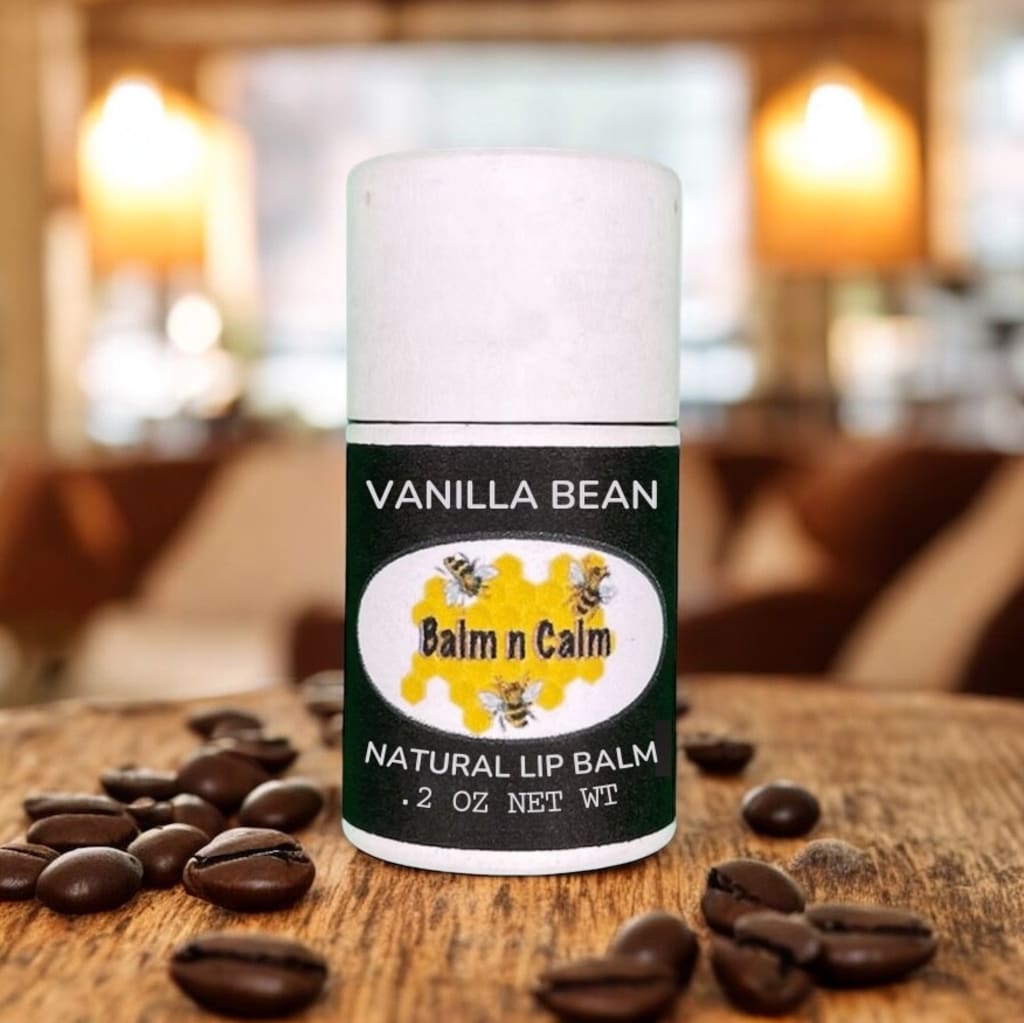
The emphasis on "clean beauty" has also grown, with brands focusing on creating products free from harmful chemicals like parabens, sulfates, and synthetic fragrances. Brands such as Balm n Calm, which focuses on plastic-free lip balms, reflect this growing demand for sustainability, as consumers opt for minimal environmental impact.
Personalization in Skincare and Cosmetics
Gone are the days of one-size-fits-all skincare routines. Today, consumers want products tailored specifically to their skin type, concerns, and lifestyle. Advances in artificial intelligence (AI) and machine learning have enabled beauty brands to offer personalized recommendations, whether it's through online quizzes or data-driven algorithms.
Custom-blended foundations, personalized skincare regimens, and DNA-based beauty routines are becoming the norm. Companies like SkinCeuticals and Proven Skincare are utilizing consumer data to craft individualized products, offering solutions that address each person's unique skin needs.
Tech-Enhanced Beauty
The integration of technology into beauty has redefined how consumers shop and care for themselves. Virtual try-on tools, powered by augmented reality (AR), allow users to test makeup and hair colors from the comfort of their home. Brands such as Sephora and MAC have embraced these digital innovations, offering immersive, interactive shopping experiences that enhance consumer engagement.
Additionally, skincare devices like LED masks, micro current tools, and at-home laser treatments have surged in popularity. These tech-enhanced products promise salon quality results, making professional skincare more accessible than ever.
Inclusive Beauty
Diversity and inclusivity have become non-negotiable in today’s beauty landscape. From skin tone ranges to gender-neutral products, the beauty industry is broadening its horizons to serve a more inclusive market. Brands like Fenty Beauty, spearheaded by Rihanna, set the stage by launching a foundation line with an unprecedented 40 shades, catering to every skin tone.
This push for inclusivity has also extended beyond skin color. Many brands are now creating products that embrace all genders, rejecting traditional stereotypes in favor of a more fluid, open definition of beauty. Consumers want to see themselves reflected in the products they use, and brands are responding with diverse marketing and product development strategies.
Minimalism and Skinimalism
The rise of minimalism in beauty routines, often referred to as "skinimalism," focuses on reducing the number of products used and prioritizing quality over quantity. Instead of layering on multiple products, consumers are now embracing fewer but more effective products that simplify their routines.
The concept of "bare-faced beauty" has gained traction, with an emphasis on enhancing natural skin rather than covering it up. This trend has been amplified by the increasing focus on skin health, with consumers prioritizing products like serums, SPF, and moisturizers over heavy foundations and concealers.
Wellness-Centric Beauty
The lines between beauty, health, and wellness are blurring. Consumers are increasingly viewing beauty as part of a holistic approach to self-care. This has led to the rise of ingestible beauty supplements like collagen drinks, biotin tablets, and adaptogens, which promise to enhance beauty from the inside out.
In addition, mindfulness and stress-reducing rituals are becoming part of everyday beauty routines. Brands are promoting the idea that true beauty starts with a balanced mind and body, pushing for the incorporation of wellness-focused products that nourish both the skin and the soul.
CBD and Botanical Beauty
CBD-infused beauty products have exploded in popularity as consumers explore the potential benefits of cannabinol for skincare. Known for its anti-inflammatory and soothing properties, CBD has been incorporated into various skincare products like serums, moisturizers, and balms. Botanical and plant-based ingredients, in general, are also becoming more popular, as consumers gravitate toward natural solutions to common skin concerns.
About the Creator
Alizjah Jarvis
I am deeply passionate about creating positive change through innovation. Balm n Calm is a sustainable skincare business that ignited my entrepreneurial spirit and provided hands-on experience in cosmetics manufacturing.
Keep reading
More stories from Alizjah Jarvis and writers in Earth and other communities.
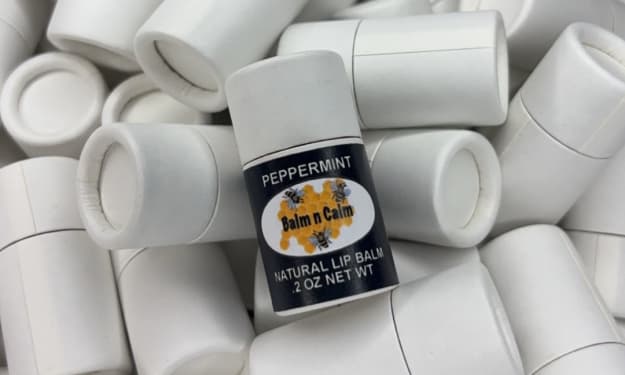
The Importance of Plastic-Free Skincare Products and Eco-Friendly Packaging
As the world becomes more aware of environmental issues, one major area of concern is the ever-growing problem of plastic waste. From oceans to landfills, plastic pollution is causing severe harm to our planet. The beauty and skincare industry is one of the largest contributors to this issue, producing millions of plastic containers every year. However, a new wave of eco-conscious brands is rising to challenge the status quo by embracing plastic-free and sustainable packaging solutions. This shift is not just a trend but a crucial step towards a more sustainable future.
By Alizjah Jarvisabout a year ago in Earth
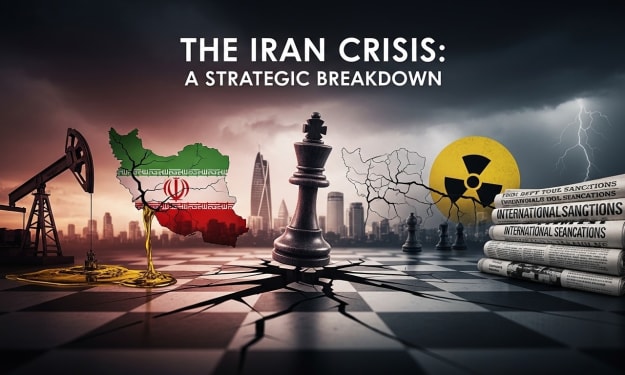
The Iran Crisis: A Strategic Breakdown
**Title:** A few months ago, large Chinese cargo planes were reported in Iran, and it was claimed that advanced defense equipment was being transferred to Iran. Now, according to new reports, Chinese technology is being used in Iran, and as a result, Iran has shot down three American aircraft over Kuwait. While these specific incidents remain unverified by independent international sources, they reflect broader concerns about escalating military-technical cooperation between Tehran and Beijing. Notably, in 2021, Iran and China signed a comprehensive 25-year strategic partnership agreement covering economic, energy, and security cooperation—a framework that could plausibly facilitate defense technology transfers.
By Literary fusionabout 24 hours ago in Earth


Comments
There are no comments for this story
Be the first to respond and start the conversation.