
The Ethics of De-Extinction: Should We Bring Back the Dire Wolf?
As Colossal Biosciences revives a prehistoric predator, scientists and ethicists debate the implications of resurrecting extinct species.


The birth of three dire wolf pups, Romulus, Remus, and Khaleesi, marks a groundbreaking scientific achievement by Colossal Biosciences. By utilizing advanced genetic engineering and ancient DNA, the company has effectively brought back the iconic Ice Age predator that disappeared over 10,000 years ago. This remarkable feat has ignited a global discussion surrounding the ethics and implications of de-extinction.
The Science Behind De-Extinction
Colossal scientists extracted DNA from dire wolf fossils, including a 13,000-year-old tooth and a 72,000-year-old skull. The genome of modern gray wolves was edited to match that of the dire wolf, producing animals with the physical characteristics of their ancient ancestors. The pups were born via surrogacy from large domestic hound dogs and now live in a secure wildlife facility.
A Distinct Lineage: More Than Just Gray Wolves
Dire wolves were not just bigger gray wolves, as shown by recent phylogenetic studies. These studies also show that their lineage split from jackals and African wild dogs around 5.7 million years ago, showing a close genetic relationship. Additionally, as Angela Perri noted in 2021, dire wolves appear to have been more closely related to the African jackal than to modern gray wolves. This highlights that they are a completely separate Canid lineage, not a direct branch of Canis lupus.
Ethical Considerations: Playing God or Restoring Balance?
Jeff Corwin, a wildlife biologist, stresses that current conservation efforts should be prioritized over de-extinction efforts, such as resurrecting extinct species. Critics contend that de-extinction may take resources away from current endangered species and could disrupt existing ecosystems.
Joe Manganiello, an actor and Colossal board member, is a supporter of de-extinction. He believes it can rectify human-caused extinctions and advance conservation efforts. Manganiello proposes that bringing back species like the dire wolf could foster public support for environmental initiatives.
Ecological Effects and Conservation Potential
Although there are no current plans to reintroduce dire wolves into their natural habitat, the project is still useful because it provides us with valuable information about genetics and how to restore species. The techniques developed by Colossal have also been used to clone endangered red wolves to increase their genetic diversity and support conservation efforts.
However, it is still unclear what the ecological effects of reintroducing extinct species might be. There could be unintended consequences for ecosystems, such as unforeseen behavioral traits from these species. We need to do a lot of careful research before we start any Rewilding projects.
Policy Threats: Regulatory Rollbacks and Implications for De-Extinction
The Trump administration's recent actions threaten both traditional conservation and de-extinction efforts. These actions include suspending a key interpretation of the Migratory Birth Treaty Act in March 2025, weakening protections for hundreds of bird species. Additionally, on April 8th, 2025, the administration proposed redefining "harm" under the Endangered Species Act, potentially removing critical habitat safeguards for endangered species. Further regulatory revisions will bias listing decisions with economic analyses, make it harder to designate critical habitats, and weaken protections for threatened species. These changes to the regulatory landscape, coupled with a lack of robust legal frameworks to secure habitat, jeopardize any plans to rewild or support de-extinct species like the dire wolf because of potential habitat loss and lack of governmental oversight.
Public Perception and Cultural Influence
The dire wolf's reappearance in popular culture, particularly in Game of Thrones, has captured the public's imagination. This fascination is further fueled by high-profile individuals like George R. R. Martin, Tom Brady, and Tiger Woods, who have shown interest in Colossal's de-extinction projects, raising questions about the ethics and science behind reviving extinct species. The convergence of science and entertainment highlights the need for public engagement and education in shaping the future of de-extinction and conservation endeavors.
Conclusion: Navigating the Path Forward
Colossal Biosciences' revival of the dire wolf represents a significant breakthrough in genetic engineering and conservation. As de-extinction becomes a reality, it is essential to balance scientific possibilities with ethical considerations. Responsible progress in de-extinction requires ensuring that legal protections align with technological advancements, and that innovation is balanced with ecological integrity.
References:
- “Dire Wolves Return from Extinction: How Ancient DNA Is Bringing the Game of Thrones‑Famous Puppies Back to Life,” People, Updated April 7, 2025.
- “Trump Administration Moves to Scrap Habitat Protections for All Threatened, Endangered Species,” Center for Biological Diversity, April 8, 2025.
- “Trump Administration Attack on the Endangered Species Act,” Endangered Species Coalition, 2025.
- “Trump just weakened one of the nation’s oldest environmental laws,” The Washington Post, March 10, 2025.
- “Jeff Corwin Wants to Save Still‑Living Species Over Resurrecting Extinct Animals,” TMZ, April 9, 2025
- “Were extinct dire wolves truly resurrected? Unveiling the scientific truth,” Ynetnews, April 2025.
- “Is the dire wolf back from the dead? Not exactly,” Science, Angela Perri, 2021.
About the Creator
Jenna Deedy
Just a New England Mando passionate about wildlife, nerd stuff & cosplay! 🐾✨🎭 Get 20% off @davidsonsteas (https://www.davidsonstea.com/) with code JENNA20-Based in Nashua, NH.
Instagram: @jennacostadeedy
Keep reading
More stories from Jenna Deedy and writers in Earth and other communities.
Save Florida’s State Parks
Growing up vacationing in Florida, I cherished the opportunity to visit its state parks. These parks provided an escape from the hustle and bustle of everyday life, offering a haven of natural beauty and wildlife. Unlike golf courses, resorts, or sporting courts, these parks were adorned with nature trails, open spaces, pristine beaches, refreshing springs, historic monuments, crystal-clear rivers, and the enchanting presence of nature itself. Every family visit culminated in a perfect day, leaving us with cherished memories.
By Jenna Deedyabout a year ago in Earth
Supreme Court Set to Issue Rulings, with Trump Tariffs Case Still Pending
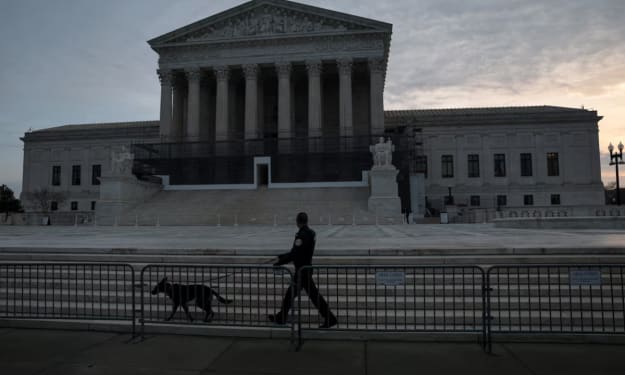
The U.S. Supreme Court is gearing up for a series of critical rulings that could have far-reaching effects on American politics, the economy, and ongoing legal controversies involving former President Donald Trump. Among these high-profile cases is the long-awaited decision on the Trump tariffs case, which remains unresolved and continues to draw national attention. A Pivotal Moment for the Supreme Court The Supreme Court, as the highest judicial body in the United States, has the power to shape not only legal precedent but also economic and political landscapes. Every term, the Court issues decisions that can influence everything from civil liberties to federal policies. This session, observers are particularly focused on cases involving trade, executive power, and regulations implemented during Trump’s administration. The Trump tariffs case, in particular, highlights the tension between presidential authority and congressional oversight. The case challenges certain tariffs imposed by Trump on imports from countries like China, Mexico, and the European Union, arguing that they exceeded the executive branch’s authority and bypassed proper legislative procedures. What the Trump Tariffs Case Is About During his presidency, Donald Trump frequently used tariffs as a tool to bolster U.S. manufacturing, address trade imbalances, and pressure foreign governments into renegotiating trade deals. While some praised these measures for protecting domestic industries, critics argued that they overstepped legal boundaries and caused economic strain on American consumers. The case currently pending before the Supreme Court examines whether Trump acted within his executive authority when imposing these tariffs. Legal analysts note that a ruling against Trump could set a precedent limiting future presidents’ power to unilaterally impose trade restrictions without congressional approval. Conversely, a ruling in his favor could reinforce broad executive powers in trade matters. Broader Implications for Trade and the Economy The Supreme Court’s decision is more than just a legal formality—it has significant economic implications. If the Court rules that the tariffs were unlawful, the U.S. could face demands to refund millions in duties collected, impacting businesses and international trade relations. Companies that relied on protective tariffs to compete in global markets might also face increased competition from foreign imports. On the other hand, upholding the tariffs could embolden future administrations to take aggressive action in trade disputes, potentially triggering new tensions with other countries. Investors, trade associations, and policymakers are closely monitoring these developments, as the ruling could influence stock markets, trade negotiations, and long-term economic strategies. Political Stakes Remain High Beyond economics, the Trump tariffs case has political dimensions. Donald Trump’s legal and political team is watching the case closely, as the outcome could influence his broader legal battles and political ambitions. While the case focuses on trade, it also touches on questions of executive authority, a topic central to debates about checks and balances in the U.S. government. Democrats and Republicans alike are analyzing the case for its potential impact on future administrations. Some lawmakers have expressed concern that a broad interpretation of executive power could set a dangerous precedent, allowing presidents to implement sweeping economic measures without sufficient legislative oversight. Other Supreme Court Decisions to Watch While the Trump tariffs case is the most high-profile, the Supreme Court is expected to issue rulings on several other major issues this session, including voting rights, environmental regulations, and federal agency authority. Each decision could have ripple effects across the nation, shaping laws and policies for years to come. Observers are particularly interested in cases that intersect with current political debates. With midterm elections approaching, the timing of these rulings could influence public opinion, political campaigns, and legislative priorities. What Comes Next For now, all eyes remain on the Supreme Court. Legal experts are divided on the likely outcome of the Trump tariffs case, with some predicting a narrow decision and others expecting broader implications. Regardless of the verdict, the ruling will be closely studied by policymakers, businesses, and citizens alike. In the meantime, companies affected by tariffs, trade advocates, and political analysts continue to prepare for potential scenarios. Whether the Court sides with Trump or challenges his administration’s actions, the ruling will shape the legal landscape for presidential authority and U.S. trade policy for years to come. Final Thoughts The Supreme Court’s upcoming rulings, particularly on the Trump tariffs case, underscore the enduring tension between executive authority, congressional oversight, and judicial interpretation. These decisions will not only influence the immediate legal battle but could also redefine the boundaries of presidential power and trade policy in the United States. For citizens, investors, and policymakers, understanding the implications of these rulings is crucial. As the nation waits for the Court’s verdict, one thing is clear: the outcome will resonate far beyond the courtroom, affecting politics, economics, and the balance of power in Washington, D.C.
By Muhammad Hassan2 days ago in Earth
Arrests After Responders Are Struck at Scene of Crash
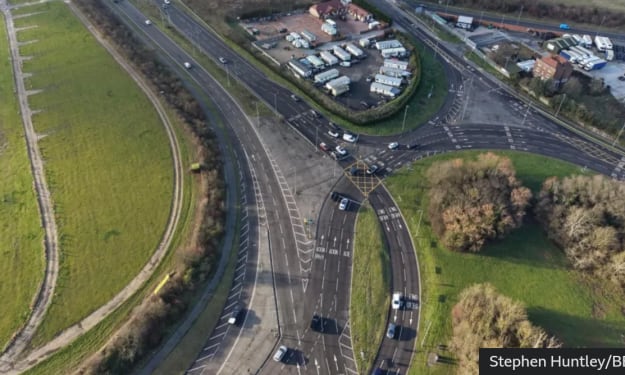
Emergencies often put first responders on the front line, but a recent incident has highlighted the risks they face from more than just the crisis at hand. Authorities have confirmed multiple arrests after paramedics and police officers were struck while attending the scene of a serious crash. The shocking episode has sparked widespread concern about the safety of emergency personnel and the growing need for stricter enforcement and public awareness. The incident, which unfolded during the early evening rush hour, underscores the vulnerability of those who rush toward danger to protect others, and serves as a grim reminder that not all threats come from the scene itself. The Incident Unfolds According to police reports, first responders were attending a multi-vehicle collision on a busy highway when the situation escalated. While traffic was being controlled and victims assisted, several responders were struck. Initial reports suggest that at least two officers and one paramedic sustained injuries, though thankfully none are life-threatening. Eyewitnesses described scenes of confusion and panic as vehicles failed to slow down near the crash site. Some drivers reportedly ignored cones, flares, and law enforcement instructions, creating dangerous conditions that forced responders to take evasive action. The risk was compounded by poor visibility due to evening darkness and wet road conditions. Arrests and Legal Action Police confirmed that multiple individuals were arrested in connection with the incident. Charges include reckless driving, assault on emergency personnel, and obstruction of justice. Authorities stressed that this kind of behaviour will not be tolerated, emphasizing the seriousness of endangering first responders. The arrests have been welcomed by both local officials and the wider emergency services community. Speaking to the media, a senior officer stated, “We will pursue anyone who puts our officers and paramedics at risk. Responders deserve respect and protection while performing their duties.” The Growing Danger for First Responders This event is part of a troubling trend seen in many regions worldwide. First responders—paramedics, firefighters, and police officers—are increasingly exposed to risks not only from the emergencies they attend but also from the public they serve. Distracted driving, aggressive behaviour, and disregard for traffic laws can transform even routine call-outs into life-threatening situations. According to safety studies, responders are far more likely to be injured at crash scenes than the individuals involved in the accidents themselves. Officials say the combination of high-speed traffic, congestion, and public impatience can make emergency scenes extremely hazardous, highlighting the need for both public awareness campaigns and strict enforcement of safety regulations. Eyewitness Accounts Bystanders at the scene described scenes of confusion and bravery. One witness said, “The responders were working quickly to help victims, but some drivers just didn’t stop or move over. It was terrifying to see them getting hit while trying to save lives.” Another observer praised the quick action of law enforcement, stating, “The officers and paramedics kept calm under pressure, directing traffic and helping the injured. It could have been much worse if they hadn’t acted so decisively.” These accounts underscore the thin line between order and chaos at crash sites, and the courage required to navigate it. Emergency Services Speak Out The incident has prompted statements from multiple emergency service organisations, calling for public cooperation and respect for responders. Paramedics and police unions highlighted that assaults on personnel are not just a legal issue—they are a public safety issue. Officials reiterated that the presence of cones, flares, and law enforcement officers is not optional. They are part of critical safety protocols designed to protect both responders and the general public. Ignoring these warnings can lead to serious legal consequences, including arrest. Public Responsibility Experts say that public behaviour plays a crucial role in preventing these incidents. Simple actions such as slowing down near crash sites, following police directions, and keeping a safe distance from emergency personnel can dramatically reduce risk. In many countries, laws require drivers to move over for emergency vehicles and personnel on highways. Failure to comply can result in fines, points on a driver’s license, or even criminal charges if someone is injured. The recent arrests serve as a high-profile reminder that such laws are actively enforced. Broader Implications for Road Safety The incident also raises questions about infrastructure and traffic management near high-risk areas. Emergency planners emphasise the need for proper signage, road design, and public education campaigns to reduce the likelihood of similar events. Technology may play a role in the future. From warning lights and automated traffic alerts to smart navigation apps that alert drivers to emergency scenes, modern solutions can help protect responders from harm while improving overall traffic safety. Community Response Community reactions have been largely supportive of the responders. Social media has seen a wave of messages praising first responders for their bravery, while calling out dangerous driving and reckless behaviour. Local leaders have echoed these sentiments, stressing that safety is a shared responsibility. “Every driver has a role to play in protecting those who protect us,” one official stated. “Incidents like this are a wake-up call for everyone to follow the rules and act responsibly.” Moving Forward Authorities have pledged continued vigilance and enforcement, while also reviewing protocols to enhance responder safety. Emergency services are exploring additional measures such as temporary road closures, enhanced signage, and public education initiatives to minimise risk during high-traffic incidents. For the public, the message is clear: cooperation saves lives. Respecting safety zones, following directions, and remaining calm around emergency scenes is not just courteous—it can prevent tragedy. Conclusion The arrests following the attack on responders at the crash scene highlight a troubling reality: those who rush toward danger to save lives often face hazards from the public they serve. While the legal consequences are immediate, the broader lesson is one of awareness, respect, and shared responsibility. As winter travel continues and roads remain busy, communities must remember that emergency responders are working under pressure to protect everyone. Simple acts—slowing down, moving over, and staying alert—can prevent incidents like this from happening again. In the end, safety at emergency scenes is not just the responsibility of responders—it belongs to all of us. Respecting that responsibility ensures that those who help others can return home safely at the end of the day.
By Muhammad Hassan5 days ago in Earth


Comments
There are no comments for this story
Be the first to respond and start the conversation.