
Save Florida’s State Parks
Florida’s state parks are under attack by the Department of Environmental Protection’s proposal to build resorts in nine state parks.


Growing up vacationing in Florida, I cherished the opportunity to visit its state parks. These parks provided an escape from the hustle and bustle of everyday life, offering a haven of natural beauty and wildlife. Unlike golf courses, resorts, or sporting courts, these parks were adorned with nature trails, open spaces, pristine beaches, refreshing springs, historic monuments, crystal-clear rivers, and the enchanting presence of nature itself. Every family visit culminated in a perfect day, leaving us with cherished memories.
Beyond their recreational value, Florida's state parks serve as guardians of the state's heritage. They encompass natural wonders and historic landmarks that provide a glimpse into Florida's rich history and culture. These parks are a testament to the state's commitment to preserving its natural resources and cultural legacy, ensuring that generations to come can appreciate and connect with the beauty and significance of Florida's land and waters.
Florida's state parks, renowned for their natural beauty and diverse ecosystems, are facing a grave threat because of a contentious proposal by the state government. The plan aims to transform these pristine areas into more "visitor-friendly" destinations by introducing resorts, sporting courts, and golf courses. However, this transformation would come at a significant cost, involving the destruction of unique and irreplaceable natural landscapes. It is the state's responsibility to preserve undeveloped land for the flourishing of nature, not to deprive wildlife of their vital habitats.
Here's why preserving and safeguarding Florida's state parks is of paramount importance:
- Florida’s State Parks Provide Sanctuary For Wildlife To Thrive. State parks play a role in protecting habitats for endangered species by providing clean air and water. They also help reduce nutrient pollution in coastal waters and control and reduce flooding. In addition, these natural wonders enable resiliency against climate change, providing life support for species that are threatened by our ever-changing climate.
- Florida’s State Parks Help The Economy. State parks generate economic benefits through tourism, fishing, hiking, and wildlife viewing and paddling.
- Florida’s State Parks Offer A Glimpse Into The State’s History and Culture. Florida’s state parks preserve and share the state’s history and culture through a variety of sites that include archaeological sites, forts, beaches, and springs, These sites reflect the many cultures that have shaped the state’s history throughout the centuries, including Indigenous Americans, Spanish, British, and Americans.
- Florida’s State Parks Are Recreational. Throughout Florida's state parks, visitors can engage in diverse outdoor activities, indulging in the captivating beauty of nature. From the serene waters perfect for fishing and kayaking to the challenging trails ideal for hiking and biking, Florida's state parks offer a kaleidoscope of recreational experiences, ensuring an immersive connection with the natural world.
Including developments unrelated to the appreciation of natural beauty in state parks directly conflicts with their intended purpose as wildlife sanctuaries, historical and cultural landmarks, and contributors to climate change mitigation efforts. These developments misalign with Florida's state statute and the aspirations of Florida residents.
What are the nine proposals that need to be stopped?
- Jonathan Dickinson State Park: The Florida Department of Environmental Protection (FDEP) has proposed several changes to the site, including the removal of Hobe Mountain Observation Tower, multiple golf courses, and unspecified "related amenities." Additionally, the proposal includes vague references to "overnight and recreational facilities" without providing specific details.
- Anastasia State Park: The FDEP's proposed alterations involve the construction of a park lodge with a maximum capacity of 350 rooms, as well as integrating a disc golf course and pickleball courts within the maritime hammock area.
- Topsail Hill Preserve State Park: FDEP's proposed changes envision the integration of a park lodge, disc golf course, and sporting courts within the confines of the maritime hammock.
- Grayson Beach State Park: FDEP's proposed modifications encompass the addition of various facilities, including a restroom, ten cabins, a golf course, and many pickleball courts.
- Camp Helen State Park: FDEP's proposed changes for the northern end of the park encompass Lake Powell and involve the introduction of new cabins and glamping sites within the Panhandle Coastal scrub ecosystem.
- Hillsborough River State Park: Among FDEP's proposed changes are the inclusion of golf courses and pickleball courts.
- Honeymoon Island State Park: Among the proposed changes suggested by FDEP is the inclusion of pickleball courts.
- Dr.Von Mizell-Eula Johnson State Park: FDEP's proposed modifications encompass the incorporation of pickleball courts.
- Oleta River State Parks: The Florida Department of Environmental Protection (FDEP) has put forward a proposal to introduce disc golf courses and pickleball courts.
The proposed development plans for nine state parks directly contradict Florida Statute 258.037, which guides the Division of Recreational and Parks. The state's policy is explicitly designed to showcase these natural wonders without depleting them. Consequently, these proposed changes within these beautiful parks blatantly disregard both state law and the desires of countless Floridians and visitors who cherish the parks' pristine beauty.
How to Help Save Florida’s State Parks from Development
- If you live in Florida, attend community meetings and monitor social media for local events to advocate to preserve your state parks.
- Express your opposition by sending personalized emails to Florida officials, including Governor Ron DeSantis, or call (850)717-9337.
- If you've visited any of Florida's state parks, share your stories, photos, and videos on social media to raise awareness about their beauty and importance.
- Take part in the FDEP's survey and firmly oppose development in any of the nine state parks.
- Sign the petition against development and encourage others to do the same by sharing it widely.
Collectively, regardless of the awareness-raising method we select, we can guarantee the preservation of some of Florida's most cherished places and the wildlife that lives there from any significant development that could have had a severe impact on them.
About the Creator
Jenna Deedy
Just a New England Mando passionate about wildlife, nerd stuff & cosplay! 🐾✨🎭 Get 20% off @davidsonsteas (https://www.davidsonstea.com/) with code JENNA20-Based in Nashua, NH.
Instagram: @jennacostadeedy
Keep reading
More stories from Jenna Deedy and writers in Earth and other communities.
First Nations People team up with scientists to build a seed bank for kelp
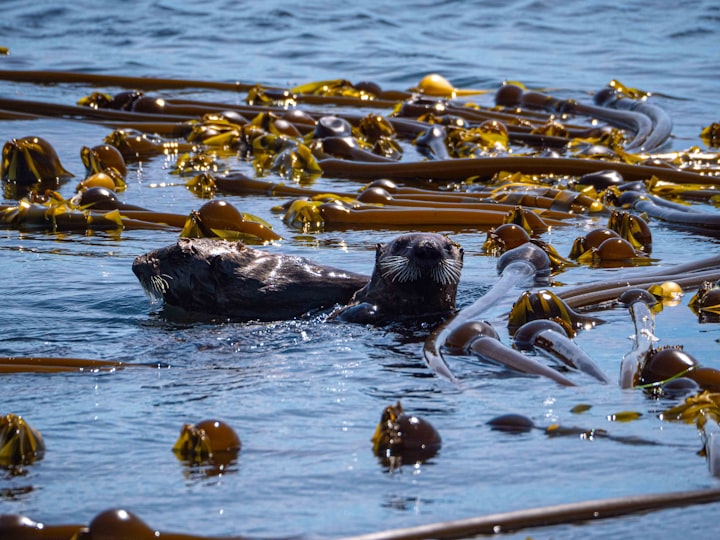
Note: See the citation for this article down below Found in all temperate shorelines worldwide, kelp forests provide food, nursery areas, shelter, and protection from predators and storms. It is a habitat for threatened species such as sea otters, grey whales, rockfish, and juvenile Chinook salmon (Mesa, 2023). Indigenous people of the Pacific Northwest have valued the large brown algae species as a traditional food source for centuries. It’s also one of the most common algae species to be cultivated on a commercial level.
By Jenna Deedy3 years ago in Earth
greenland
Greenland The World’s Largest Island of Ice Nature and Mystery Greenland is one of the most fascinating places on Earth, known for its vast ice sheets, dramatic landscapes, and unique culture. It is the largest island in the world, located between the Arctic and Atlantic Oceans. Many people search for information about Greenland because of its extreme climate, political status, natural resources, and growing importance in global discussions about climate change.
By America today 7 days ago in Earth
Tea of Silence
The snow had covered the hills for days, turning the land into a quiet white world where sound seemed afraid to exist. On the highest of these hills, beneath a dry, leafless tree, a young man sat alone. The tree had long ago lost its strength, its branches thin and broken, but it still stood, as if refusing to disappear. The young man chose this place often, not because it was comfortable, but because it was honest.
By Bilal Mohammadiabout 21 hours ago in Earth
A Failed Artist, A Disillusioned Poet, An Underpaid Game Show Host
I took my son and niece to Gori, a small town in Georgia where Joseph Stalin was born. They talked me into visiting the Stalin's Museum, the largest in the post-Soviet space. I had resisted going there because I just can't stand the monster and know enough about him, or so I thought.
By Lana V Lynx6 days ago in FYI


Comments
There are no comments for this story
Be the first to respond and start the conversation.