
The Eternal Rivalry: Exploring the Origins of Vampires and Werewolves
The Mythical Roots of the Werewolf

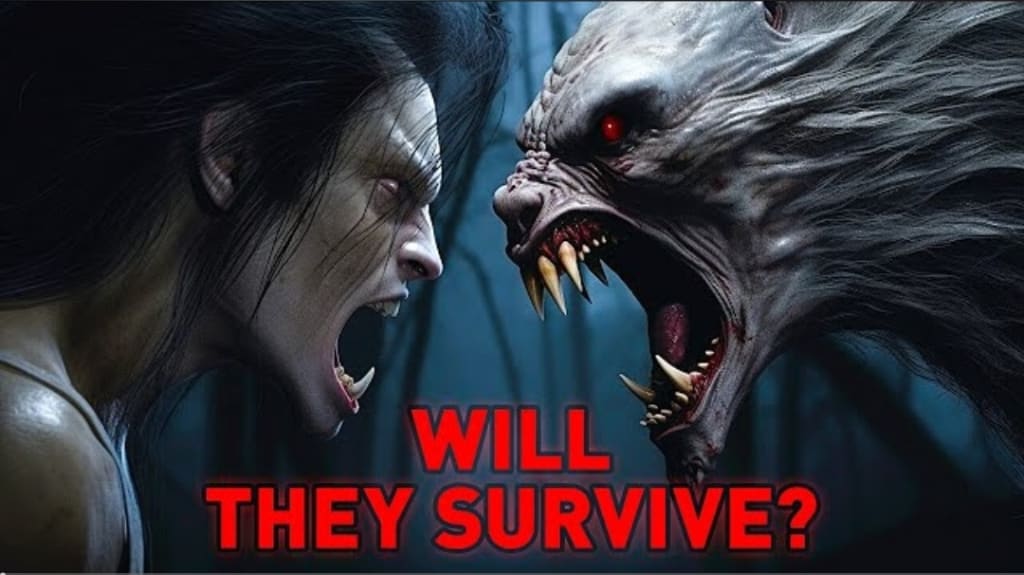
**The Vampire-Werewolf Rivalry: Origins and Evolution**
With a new *Twilight* TV series in development, fans once again find themselves divided by the question: **Are you Team Edward or Team Jacob?** The rivalry between werewolves and vampires is central to the saga, but this isn't the first time these creatures have clashed. Surprisingly, many ancient legends say little about a feud between them. The concept of a rivalry between vampires and werewolves is a trope popularized through modern films and books.
The *House of Frankenstein* (1944) and *House of Dracula* (1945) were the first films to feature both vampires and werewolves together on screen. Yet, there was no animosity between them. The rivalry gained traction in the following decades, particularly with the emergence of the *Underworld* and *Van Helsing* film series. *Twilight* added a unique twist by introducing a love-based conflict, setting it apart from its predecessors.
Many TV shows have jumped on this "Fur vs Fang" bandwagon. For example, *Penny Dreadful* featured an episode where Dracula faced off against a group of vampires, and *Vampire Diaries* introduced the idea that a werewolf’s bite could kill a vampire. *What We Do in the Shadows* even explored the concept of werewolves becoming vampires.
But to fully understand the rivalry between vampires and werewolves, we must dive into the origins of these supernatural creatures.
### The Origins of the Werewolf
When we think of werewolves, certain traits come to mind: full moons, silver, hairy half-men, lycanthropy, and curses. The modern werewolf myth has evolved over centuries, but it can be traced back to ancient stories. The term “werewolf” comes from the Old English *wer* (man) and *wulf* (wolf). However, its origins go much further back.
One of the oldest references to werewolves is in the *Epic of Gilgamesh*. In this ancient text, Gilgamesh rejects the love of the goddess Ishtar, who, in retaliation, transforms a shepherd into a wolf. This early example of a werewolf in literature highlights the theme of punishment, which is common in werewolf lore.
The modern werewolf myth was shaped by ancient Greek and Roman texts, such as those written by Herodotus, who described a tribe of men that transformed into wolves for several days each year. Later, in medieval Europe, the fear of werewolves became intertwined with witchcraft and superstition.
While today’s werewolf is often depicted as a malevolent creature, historically, becoming a werewolf wasn’t always seen as a curse. In some northern European myths, people could acquire the ability to change into a wolf by wearing special clothing, like a belt or a cloak. The idea of werewolves being vulnerable to silver was popularized by the 1941 movie *The Wolf Man*, which also introduced the concept of a full moon causing transformation.
### The Origins of the Vampire
Vampires, too, have ancient roots. In cultures such as the Mesopotamians, ancient Greeks, and Romans, stories of supernatural beings that drained blood or had evil intentions can be seen as precursors to the modern vampire. However, the familiar traits of the vampire—fangs, bloodlust, and nocturnal habits—came together in the 18th century in southeastern Europe.
The vampire we recognize today, however, owes much to Bram Stoker's *Dracula* (1897). Stoker’s novel merged various folkloric vampire traits, shaping the modern fictional vampire. This version of the vampire had supernatural powers such as mind control, shape-shifting, and the ability to turn victims into vampires. The vulnerability to sunlight came later, introduced in the 1922 film *Nosferatu*.
In the 20th century, vampires began to be depicted with a wider range of human qualities, which made them more relatable. This shift began with shows like *Dark Shadows* and continued with works like *Interview with the Vampire* and, of course, *Twilight*. In these stories, vampires are not just monsters; they are misunderstood or tragic characters, often with emotional depth and complex relationships.
### The Rivalry Between Vampires and Werewolves
Despite their many similarities—both creatures transform into different forms, lust for blood, and have supernatural powers—vampires and werewolves are often depicted as opposites. Vampires are sophisticated, aristocratic, and often represented by their taste for luxury, while werewolves are wild, aggressive, and connected to nature.
The rivalry between them, however, is largely a product of modern fiction. In many cultures, these two creatures were simply separate myths with little to no interaction. It wasn’t until the 20th century, with films like *Abbott and Costello Meet Frankenstein* (1948), that the concept of a fight between werewolves and vampires gained traction. By the time *Twilight* came along, the idea of this rivalry was firmly established, but with a romantic twist.
The *Twilight* saga is unique in how it blends this age-old rivalry with a love triangle. Edward, the vampire, and Jacob, the werewolf, are both vying for Bella’s affection, creating an emotional conflict that extends beyond their supernatural differences. This theme of love between opposites resonates with audiences, which is likely why the series became such a cultural phenomenon.
### Conclusion
While the rivalry between werewolves and vampires is a relatively modern invention, it has become a staple of popular culture. Whether depicted in movies, TV shows, or books, this conflict taps into deeper human fears and desires. Vampires represent the sophisticated, calculated side of human nature, while werewolves symbolize the untamed, primal force within us.
As we await the new *Twilight* TV series, one thing is certain: this rivalry will continue to captivate audiences for years to come. Whether you're Team Edward or Team Jacob, both creatures embody aspects of ourselves, and that’s what makes their clash so compelling.
About the Creator
Nora Ariana
Empowering through stories and sound igniting purpose, sparking growth, and awakening the power within.
Keep reading
More stories from Nora Ariana and writers in Earth and other communities.
A goal is a dream with a deadline
A goal is a dream with a deadline. This powerful quote reminds us that without action, dreams remain just that wishes floating in our imagination. But when we set a timeline and commit to achieving them, they evolve into goals, bringing clarity, direction, and purpose. Many people go through life holding on to dreams, hoping they will come true someday. But someday is not a day on the calendar. Dreams without structure often fade with time or get buried under the weight of daily responsibilities. Turning a dream into a goal is what separates those who achieve from those who continue to wish.
By Nora ArianaExclusive • 9 months ago
US Lawmakers Arrive in Copenhagen to Counter Trump’s Greenland Threats
In a high-stakes diplomatic maneuver, a delegation of U.S. lawmakers recently arrived in Copenhagen to discuss Greenland’s future, aiming to counteract the aggressive rhetoric and territorial ambitions expressed by former President Donald Trump. The visit comes amid rising concerns over Greenland’s strategic importance in the Arctic and the implications of any unilateral moves by the United States. For Denmark, Greenland’s autonomous territory, the presence of U.S. lawmakers underscores both Washington’s interest in Arctic security and the need to maintain strong transatlantic ties. For the United States, the visit signals a delicate recalibration of policy following Trump’s controversial proposals regarding Greenland, including his infamous attempt to buy the island outright during his presidency. Why Greenland Matters Geopolitically Greenland is more than a frozen expanse of ice; it is a geopolitical prize. Strategically located between North America and Europe, Greenland is key to: Arctic shipping routes that are becoming increasingly navigable due to melting ice Natural resources, including rare earth minerals, oil, and gas reserves Military and surveillance installations, notably the Thule Air Base, which is critical to U.S. missile warning systems and space surveillance The Arctic region is warming faster than any other part of the planet, making Greenland both a resource hub and a potential flashpoint for international competition. Trump’s proposals had alarmed Denmark and other NATO allies, raising questions about the United States’ long-term commitment to respecting international norms and allied sovereignty. The Lawmakers’ Mission The delegation, composed of senators and representatives from both political parties, is tasked with: Reassuring Denmark that the U.S. government respects Greenland’s autonomy Discussing security cooperation, particularly regarding Arctic defense and NATO commitments Exploring economic partnerships that benefit Greenland while maintaining regional stability Officials emphasize that this visit is not about reversing Trump’s statements retroactively, but about ensuring that future U.S. policy reflects diplomatic consensus rather than unilateral ambition. Denmark’s Response Denmark has maintained a firm stance on Greenland’s sovereignty, consistently stating that the island is not for sale. Danish leaders have welcomed the U.S. delegation as a positive step toward strengthening trust and clarifying intentions. Copenhagen also hopes to use the opportunity to reinforce cooperative approaches to Arctic security, particularly in light of growing Russian and Chinese interest in the region. For Denmark, maintaining strong relations with the United States — while safeguarding Greenland’s autonomy — is a balancing act that requires careful diplomacy. Greenland’s Perspective Greenlanders themselves are increasingly vocal in the debate over their future. Many support greater economic independence and political autonomy, and local leaders insist that Greenlanders should have the final say over any decisions affecting their land and resources. The U.S. delegation’s visit highlights the need to consult Greenlandic authorities directly, rather than negotiating solely with Denmark. This approach is seen as a step toward more inclusive, respectful diplomacy, which acknowledges Greenland’s status as more than just a strategic asset. The Role of NATO and Transatlantic Relations Trump’s proposals regarding Greenland strained transatlantic relations, raising concerns among NATO members about the reliability of U.S. commitments. The arrival of bipartisan lawmakers in Copenhagen aims to reaffirm NATO solidarity and demonstrate that U.S. policy is consistent with alliance obligations. By engaging Denmark directly, Congress seeks to prevent miscommunication and maintain stability in a region that is increasingly vital for global security. Analysts note that Greenland’s location provides the United States with a critical vantage point for Arctic monitoring and missile defense, making cooperative relations essential. Global Implications The Greenland issue has broader consequences for international geopolitics and Arctic governance. Key points include: Resource security: Greenland’s rare earth minerals are essential for electronics, renewable energy, and defense technologies, making control and access highly strategic. Climate change and navigation: Melting ice is opening new shipping lanes, which could shift global trade patterns and increase competition for influence. Power dynamics in the Arctic: Russia and China have also shown growing interest in the Arctic, prompting the United States and Europe to strengthen alliances and prevent unilateral exploitation. The lawmakers’ visit signals to the international community that the U.S. is committed to diplomatic solutions rather than transactional or coercive strategies. Challenges Ahead Despite the visit’s diplomatic intent, challenges remain: Political polarization in the U.S.: Future administrations may have different approaches to Greenland, raising uncertainty about long-term commitments. Geopolitical competition: Russia and China continue to advance their presence in the Arctic, complicating cooperative efforts. Local autonomy: Greenlandic voices must be prioritized, or any policy may face resistance at the local level. Successfully navigating these challenges will require transparent dialogue, careful planning, and sustained international cooperation. The Path Forward The visit of U.S. lawmakers to Copenhagen is a cautionary and corrective measure. It signals that while Greenland is strategically important, it is not a bargaining chip. Future cooperation will likely focus on: Strengthening Arctic security frameworks Promoting economic development for Greenlanders Maintaining stability in U.S.-European relations Ensuring that Greenlandic voices remain central to decision-making This proactive approach reflects a broader understanding that diplomacy, not unilateral action, is essential in regions of high strategic value. Final Thoughts Greenland has moved from the margins of global attention to the forefront of geopolitical strategy and climate concern. The arrival of U.S. lawmakers in Copenhagen underscores the importance of measured, inclusive diplomacy in the Arctic, contrasting sharply with the impulsive rhetoric that characterized Trump’s Greenland proposals. As nations navigate the Arctic’s emerging opportunities and challenges, Greenland’s sovereignty and the voices of its people will remain central to regional stability, global security, and international cooperation. The lawmakers’ visit represents a step toward rebuilding trust, reinforcing alliances, and charting a sustainable path forward for one of the planet’s most strategically vital territories.
By Muhammad Hassan3 days ago in Earth


Comments
There are no comments for this story
Be the first to respond and start the conversation.