
The Enigmatic Beauty of Fog: Nature’s Mystical Blanket
Fog Around the World: Iconic Locations Shrouded in Mist
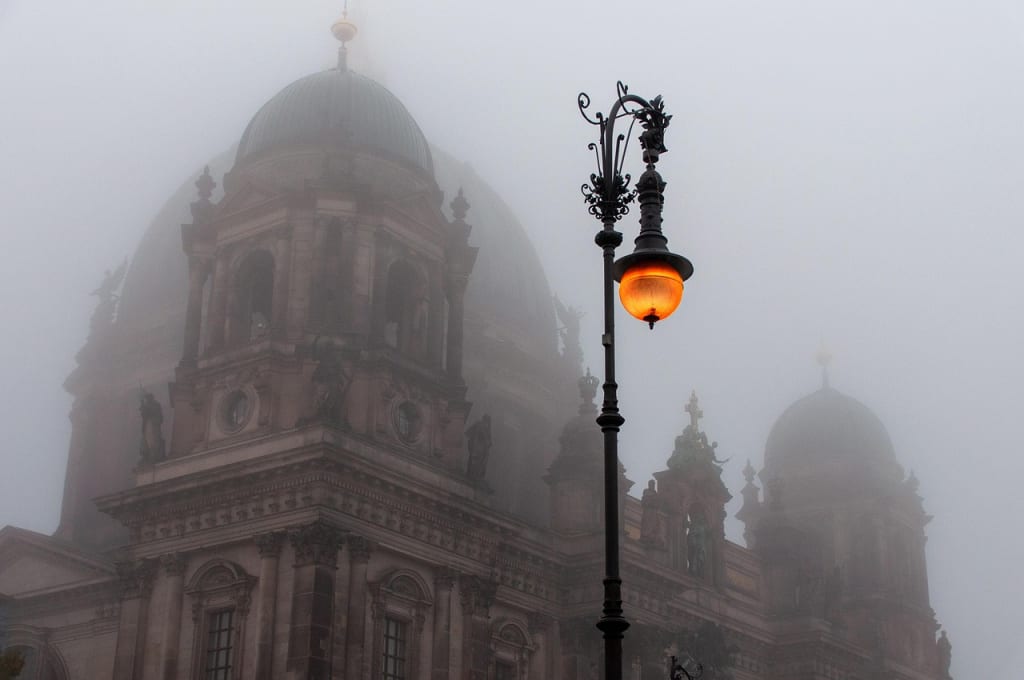
Fog is one of nature’s most captivating phenomena. It transforms familiar landscapes into surreal, dreamlike scenes, shrouding the world in a veil of mystery. Whether it’s the dense fog rolling over a city skyline or the delicate mist hovering above a tranquil lake, fog has a unique ability to evoke a sense of wonder and introspection. But beyond its aesthetic appeal, fog is a fascinating meteorological event with significant implications for the environment, culture, and daily life. Let’s dive into the enigmatic world of fog and explore its many dimensions.
What is Fog? The Science Behind the Phenomenon
Fog is essentially a cloud that touches the ground. It forms when water vapor in the air condenses into tiny water droplets, reducing visibility to less than 1 kilometer (0.62 miles). This process occurs when the air near the ground cools to its dew point, the temperature at which the air becomes saturated with moisture.
The formation of fog depends on several factors, including humidity, temperature, and wind conditions. High humidity levels are essential, as fog requires an abundance of water vapor. Calm winds also play a role, as strong winds can disperse the fog before it has a chance to form. Fog is most common in the early morning or late evening when temperatures are at their lowest, creating the perfect conditions for condensation.
Types of Fog: From Radiation to Advection
Not all fog is created equal. Meteorologists classify fog into several types based on how it forms:
Radiation Fog: This type of fog occurs on clear, calm nights when the ground loses heat rapidly through radiation. As the ground cools, it chills the air above it, leading to condensation. Radiation fog is common in valleys and low-lying areas.
Advection Fog: Advection fog forms when warm, moist air moves over a cooler surface, such as a cold ocean current or snow-covered ground. This type of fog is often seen in coastal regions and can persist for days.
Upslope Fog: As the name suggests, upslope fog occurs when moist air is pushed up a slope, such as a mountain or hill. As the air rises, it cools and condenses, creating fog.
Evaporation Fog: Also known as steam fog, this type forms when cold air moves over warm water or moist ground. The warm water evaporates into the cooler air, creating a foggy mist. This is often seen over lakes and rivers on chilly mornings.
Freezing Fog: In freezing temperatures, fog can consist of supercooled water droplets that freeze upon contact with surfaces, creating a layer of ice. This type of fog is both beautiful and hazardous.
Fog’s Role in Nature and the Environment
Fog plays a crucial role in ecosystems, particularly in arid and coastal regions. In places like the Atacama Desert in Chile and the Namib Desert in Africa, fog is a vital source of moisture for plants and animals. Certain species of plants, known as "fog collectors," have evolved to capture water droplets from fog, sustaining life in otherwise inhospitable environments
Fog also influences local climates by moderating temperatures and providing moisture. In coastal areas, fog can reduce evaporation rates, helping to maintain soil moisture and support vegetation. However, excessive fog can also have negative effects, such as limiting sunlight and slowing plant growth.
Fog in Culture and Literature: A Symbol of Mystery
Fog has long been a source of inspiration in art, literature, and film. Its ephemeral nature and ability to obscure reality make it a powerful symbol of mystery, uncertainty, and transformation. In literature, fog is often used to create an atmosphere of suspense or introspection. For example, in Charles Dickens’ Bleak House, the dense fog of London serves as a metaphor for the confusion and moral ambiguity of the legal system. In cinema, fog is frequently used to set the tone for eerie or dramatic scenes. Classic horror films like The Fog by John Carpenter capitalize on the unsettling quality of fog to heighten tension and fear. Similarly, in poetry, fog is often associated with themes of isolation, introspection, and the unknown.
The Challenges of Fog: Navigation and Safety
While fog can be enchanting, it also poses significant challenges, particularly for transportation and safety. Dense fog reduces visibility, making it difficult for drivers, pilots, and sailors to navigate. This has led to numerous accidents and delays over the years, prompting the development of advanced technologies to mitigate the risks.Airports use specialized instruments, such as Instrument Landing Systems (ILS), to guide planes during low-visibility conditions. Similarly, modern cars are equipped with fog lights and sensors to improve safety on the roads. Despite these advancements, fog remains a formidable obstacle, requiring caution and preparedness.
Fog Photography: Capturing the Ethereal
For photographers, fog is a gift from nature. It softens light, creates depth, and adds a layer of mystery to images. Fog photography is all about capturing the interplay between light and shadow, as well as the way fog transforms landscapes into abstract compositions. To capture stunning foggy scenes, photographers often use techniques like long exposure to emphasize the movement of fog or focus on silhouettes to create dramatic contrasts. Iconic locations like San Francisco’s Golden Gate Bridge and England’s Dartmoor National Park are renowned for their foggy vistas, attracting photographers from around the world.
Conclusion: Embracing the Mystique of Fog
Fog is a reminder of nature’s ability to transform the ordinary into the extraordinary. It is both a scientific phenomenon and a source of artistic inspiration, a force that shapes ecosystems and challenges human ingenuity. Whether you’re marveling at a foggy sunrise, navigating through a misty morning, or simply enjoying the quiet beauty of a fog-covered landscape, there’s no denying the allure of this natural wonder.In a world that often feels too fast-paced and predictable, fog invites us to slow down, embrace the unknown, and appreciate the beauty of uncertainty. So the next time you find yourself enveloped in fog, take a moment to pause and soak in its mystique. After all, life, like fog, is fleeting—and that’s what makes it so beautiful.
About the Creator
Keep reading
More stories from Bint E Ruqqyyah and writers in Earth and other communities.
"Mongolia Travel Guide: Discover Nomadic Culture, Genghis Khan’s Legacy & the Gobi Desert"
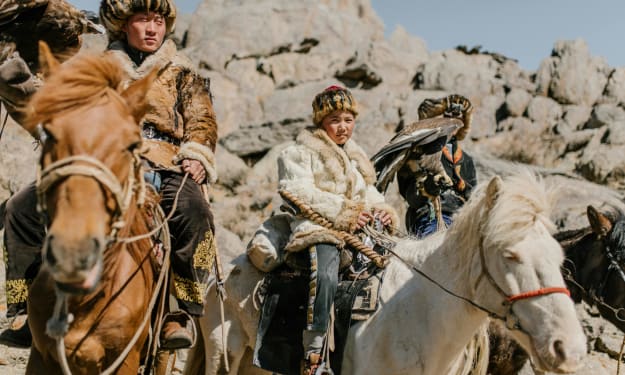
Mongolia—a land of vast steppes, rugged mountains, and nomadic traditions—is one of the world’s last great frontiers. Known as the "Land of the Eternal Blue Sky," this sparsely populated country offers breathtaking landscapes, a rich history tied to Genghis Khan, and a culture deeply rooted in horseback riding, throat singing, and eagle hunting.
By Bint E Ruqqyyah9 months ago in Earth
Australia Urea Market Size and Forecast 2025–2033
Australia Urea Market Overview The Australian Urea Market is anticipated to reach US$ 1,814.20 million in 2033, up from US$ 1,191.73 million in 2024, growing at a CAGR of 4.78% during 2025–2033, according to Renub Research. This growth is being driven by increasing demand from the agricultural sector for high-nitrogen fertilizers, expanding grain and crop cultivation, and rising government incentives for sustainable farming practices. Import substitution policies and growing interest in domestic production capabilities are also shaping market dynamics.
By Marthan Sir4 days ago in Earth



Comments (1)
Nice