
The Endless Dance: Man and Mosquitoes - A Complex Relationship Unveiled
Exploring the Intricate Interplay Between Humans and Mosquitoes, Unraveling the Biological, Ecological, and Societal Dimensions of This Age-Old Interaction

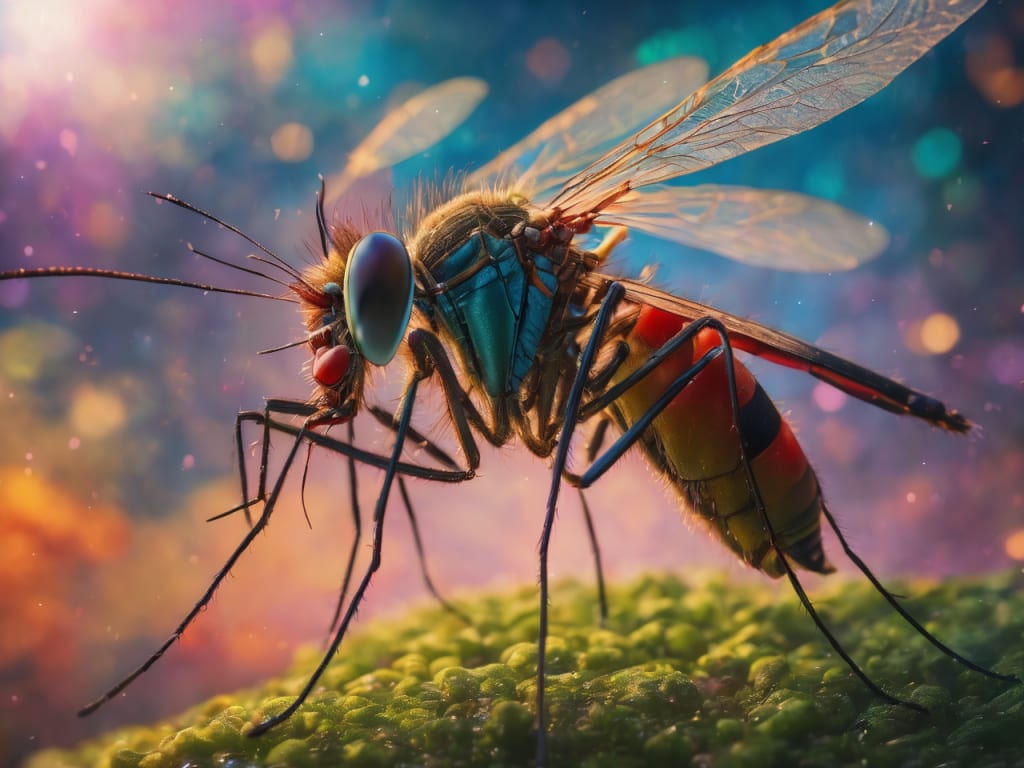
In the grand tapestry of existence, the relationship between man and mosquitoes has endured for eons, marked by an intricate dance that transcends mere annoyance. This article delves into the multifaceted connection between humans and these buzzing insects, shedding light on the biological, ecological, and societal dimensions that intertwine in this age-old narrative. As we navigate the complexities of this enduring relationship, we uncover the profound impact mosquitoes have had on human history and the evolving strategies employed in the perpetual battle against these tiny, yet formidable, adversaries.
1. A Symphony of Buzzing: The Mosquito's Presence in Human History
The hum of a mosquito is a familiar soundtrack to human existence, echoing through time and across cultures. Mosquitoes, members of the Culicidae family, have shared the planet with humans for millions of years. As ancient as human history itself, these insects have left an indelible mark on our collective experience, influencing everything from migration patterns to the outcomes of pivotal historical events.
In some cultures, mosquitoes are seen as more than mere nuisances; they are symbolic entities embedded in folklore and mythology. Understanding the historical and cultural significance of mosquitoes unveils a narrative rich in symbolism and cautionary tales, shaping how societies perceive these tiny but persistent creatures.
2. The Dance of Survival: Mosquitoes' Biological Tactics
Mosquitoes, driven by the primal instinct of survival, have evolved a sophisticated set of biological tactics that make them formidable adversaries. The most notorious among them is the female mosquito's quest for blood, a vital nutrient for the development of her eggs. Equipped with specialized mouthparts, she skillfully pierces the skin of her host, leaving behind an itchy reminder of her visit.
Beyond their role in bloodsucking, mosquitoes play a crucial ecological role as pollinators and a vital link in various food chains. Unraveling the intricacies of their biology provides insights into the delicate balance they maintain within ecosystems, despite the adversarial relationship they share with humans.
3. Vector of Disease: The Perilous Impact on Human Health
While mosquitoes contribute to ecological harmony, they also serve as vectors for some of the deadliest diseases afflicting humanity. Malaria, dengue fever, Zika virus, and West Nile virus are just a few examples of illnesses transmitted by mosquitoes. The toll on human health, particularly in tropical and subtropical regions, is immense, affecting millions annually.
The historical significance of mosquito-borne diseases cannot be overstated. Malaria alone has shaped the course of history, influencing military strategies, colonization patterns, and global health policies. Understanding the impact of these diseases on human societies underscores the urgency of ongoing efforts to combat mosquito-borne illnesses.
4. The Battle for Protection: From Nets to Repellents
Throughout history, humans have devised various strategies to protect themselves from mosquito bites. From the earliest use of smoke and fire to repel mosquitoes to the modern development of insect repellents, the battle for protection is ongoing. In regions where diseases like malaria are endemic, bed nets treated with insecticides have become crucial tools in preventing infection.
Advancements in technology have led to the creation of insect repellents, offering a convenient and portable defense against mosquito bites. The evolution of these protective measures reflects humanity's determination to assert control over a relationship that, for much of history, has been characterized by vulnerability.
5. Genetic Engineering and Mosquito Control: A Controversial Frontier
In recent years, scientific innovations have opened new frontiers in the battle against mosquitoes. Genetic engineering techniques, such as the release of genetically modified mosquitoes, aim to suppress mosquito populations by interfering with their ability to reproduce. While these methods show promise in reducing the incidence of mosquito-borne diseases, they also raise ethical and ecological concerns.
The release of genetically modified mosquitoes prompts questions about unintended consequences, ecological disruptions, and the long-term impact on biodiversity. The ethical considerations surrounding the manipulation of mosquito populations highlight the delicate balance between addressing public health concerns and preserving the intricate web of life on Earth.
6. Cultural Perspectives: Mosquitoes in Art, Literature, and Mythology
The enduring presence of mosquitoes in human life is not confined to the biological realm alone. These insects have permeated cultural expressions, becoming subjects of art, literature, and mythology. From the delicate brushstrokes of traditional Asian ink paintings depicting mosquitoes to literary works that use them as metaphors for life's fleeting nature, mosquitoes have inspired a diverse range of creative expressions.
Exploring cultural perspectives on mosquitoes provides a deeper understanding of the complex relationship humans have with these creatures. While often portrayed as pests, mosquitoes also find a place in cultural narratives that transcend their physical presence, embodying themes of transience, resilience, and the delicate balance between life and death.
7. Global Initiatives: Uniting Against Mosquito-Borne Diseases
In the contemporary era, global initiatives aim to unite nations and communities in the fight against mosquito-borne diseases. Organizations like the World Health Organization (WHO) work tirelessly to implement preventive measures, distribute insecticide-treated bed nets, and develop vaccines. International collaboration underscores the recognition that the impact of mosquitoes extends beyond borders, requiring a collective effort to mitigate the global burden of these diseases.
Conclusion: Navigating the Eternal Dance
In conclusion, the relationship between man and mosquitoes is a testament to the intricate dance of survival, adaptation, and coexistence. From the buzzing symphony that echoes through human history to the ongoing battle for protection, this relationship reveals the profound interconnectedness of all living beings on Earth.
As humanity navigates the eternal dance with mosquitoes, the need for a holistic approach becomes evident. Balancing ecological preservation, public health interventions, and ethical considerations is essential in forging a sustainable future. The story of man and mosquitoes, fraught with challenges and discoveries, continues to unfold, reminding us of the delicate balance required to coexist with the smallest, yet impactful, inhabitants of our shared planet.
About the Creator
Kei Ben
A fresh read goes a long way.
How Wind Energy Works: A Closer Look with Stanislav Kondrashov
As the world pushes further into the 21st century, the demand for sustainable and clean sources of energy has never been greater. At the heart of this shift is wind energy—a technology as old as the first sailboat, yet as modern as the towering turbines dotting coastlines and countrysides. Stanislav Kondrashov, an independent energy researcher and commentator, has long studied the mechanics and potential of wind power. His insights help demystify what’s often seen as a complex system driven by forces we can’t see.
By Stanislav Kondrashov 5 days ago in Earth
Filipino Rescuers Detect “Signs of Life” in Garbage Avalanche That Killed 4 and Left Dozens Missing
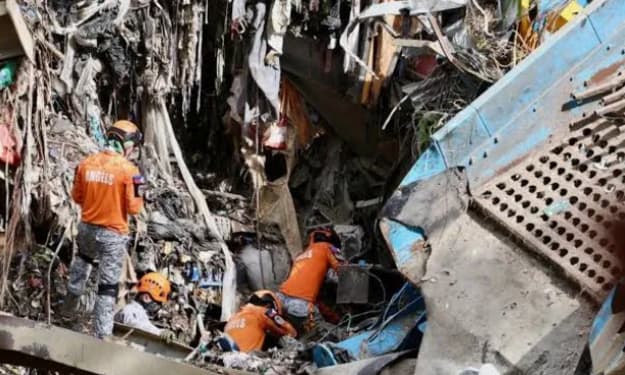
In the early hours following a devastating garbage avalanche in the Philippines, rescuers reported detecting “signs of life” beneath tons of waste, igniting a fragile sense of hope amid widespread grief and uncertainty. The deadly incident, which claimed at least four lives and left dozens missing, has drawn national attention to the dangers faced by communities living near massive waste disposal sites.
By Aqib Hussain4 days ago in Earth


Comments