
The Emotional Aftermath of the Internment of Japanese Americans.
Healing the Wounds of History.
Introduction:
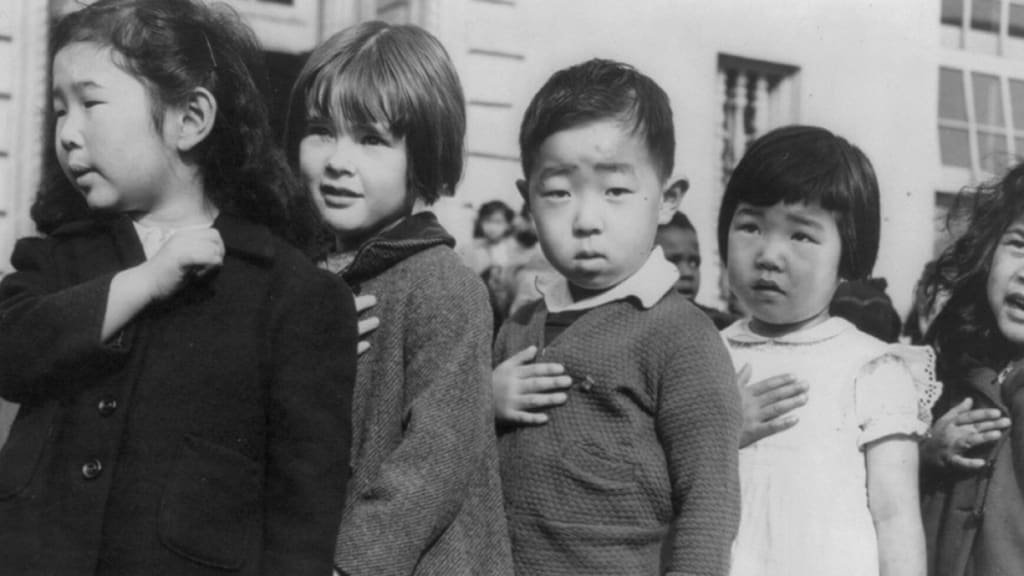
World War II stands as a somber chapter in human history, marked by countless lives disrupted and societies forever changed. Among the most tragic events was the internment of Japanese Americans. events during the internment of Japanese Americans exemplify the erosion of individual rights and the impact of fear-driven policies. Families were uprooted, imprisoned, and faced with profound losses due to their ethnicity. However, the legacy of their resilience, activism, and pursuit of justice serves as a testament to the indomitable spirit of those who endured these hardships. It is crucial to remember this dark chapter in American history to ensure that such injustices are never repeated and to promote a society that values diversity, equality, and the protection of civil liberties for all. an act ontinues to reverberate emotionally within the community even after more than seven decades. The legacy of this dark period highlights the profound emotional impact experienced by Japanese Americans and their ongoing journey towards healing.
Emotional Trauma and Injustice:
The internment of Japanese Americans during World War II resulted in the forced relocation and imprisonment of approximately 120,000 individuals, most of whom were American citizens. Families were uprooted, homes were lost, and lives were shattered as a result of fear, prejudice, and wartime hysteria. This deeply unjust treatment left a lasting emotional scar on the affected individuals and subsequent generations.
The Weight of Shame and Stigma:
The emotional aftermath of internment has been characterized by a mixture of shame, stigma, and a sense of collective betrayal. Many Japanese Americans, especially those who experienced internment firsthand, were burdened with feelings of shame for being labeled as potential threats to national security solely based on their ethnicity. This stigma compounded the psychological impact, resulting in a lingering sense of injustice and deep-rooted trauma.
Inter-generational Trauma and Healing:
The emotional toll of internment extends beyond those who directly experienced it. The trauma has been passed down through generations, creating a ripple effect on the emotional well-being of Japanese American families. Children and grandchildren, despite not personally experiencing internment, often grapple with feelings of inter-generational trauma, cultural displacement, and a quest for identity.
Seeking Justice and Reconciliation:
In the years following World War II, the efforts to seek justice and reconciliation gained momentum. Japanese American activists, scholars, and community leaders have worked tirelessly to preserve the memory of internment and ensure that such injustices are never repeated. Their advocacy has brought about official apologies, reparations, and a national acknowledgment of the immense emotional harm inflicted on Japanese Americans.
Liberation and Aftermath:
The internment of Japanese Americans continued until 1945 when World War II ended. Many individuals faced challenges when attempting to rebuild their lives and reintegrate into society. Discrimination, lingering stereotypes, and the emotional trauma of internment made the post-war period a difficult time for Japanese Americans. It took several decades for the government to officially apologize and provide reparations for this grave violation of civil liberties.
The Power of Healing and Resilience:
Despite the deep emotional wounds caused by internment, the Japanese American community has demonstrated remarkable resilience and a commitment to healing. Through cultural preservation, storytelling, community support, and intergenerational dialogue, Japanese Americans have fostered an environment of empathy, understanding, and shared healing.
Conclusion:
The internment of Japanese Americans during World War II remains a poignant reminder of the far-reaching emotional consequences of historical events. The scars of injustice, stigma, and trauma continue to shape the experiences of Japanese Americans today. However, through resilience, advocacy, and a commitment to reconciliation, the community strives for healing, forging a path towards a more inclusive and empathetic society. As we reflect on this painful history, let us acknowledge the emotional aftermath and stand united in our pursuit of justice, equality, and compassion for all.
About the Creator
Keep reading
More stories from writers in Earth and other communities.
Deadly Nipah Virus Outbreak
In recent years, the world has become painfully familiar with viral outbreaks. From COVID-19 to Ebola, infectious diseases have repeatedly reminded humanity how fragile global health systems can be. Among these threats, the Nipah virus stands out as one of the deadliest and least understood viruses, capable of causing severe illness and sudden outbreaks with devastating consequences. Although Nipah virus outbreaks are relatively rare, their high fatality rate and lack of a specific cure make them a serious public health concern. Each new outbreak reignites fears and highlights the urgent need for awareness, preparedness, and global cooperation. What Is the Nipah Virus? The Nipah virus is a zoonotic virus, meaning it spreads from animals to humans. It was first identified in 1998 during an outbreak among pig farmers in Malaysia. Since then, cases have been reported mainly in South and Southeast Asia, including Bangladesh and India. Fruit bats, particularly those from the Pteropus species, are considered the natural carriers of the virus. These bats often show no symptoms but can transmit the virus to humans either directly or through intermediate hosts such as pigs. Human-to-human transmission has also been documented, making outbreaks especially difficult to contain. How Nipah Virus Spreads One of the most alarming aspects of the Nipah virus outbreak is how easily it can spread in certain environments. Common modes of transmission include: Direct contact with infected animals Consumption of food contaminated by bat saliva or urine, such as raw date palm sap Close contact with infected individuals, especially in healthcare or household settings In many affected regions, traditional practices and limited access to healthcare increase the risk of exposure. Once the virus enters a community, it can spread rapidly if preventive measures are not taken seriously. Symptoms and Severity The symptoms of Nipah virus infection can vary widely, which often makes early diagnosis difficult. Initial symptoms may resemble common illnesses, including: Fever Headache Muscle pain Vomiting and sore throat However, the disease can quickly progress to severe neurological complications such as encephalitis (brain inflammation). In advanced cases, patients may experience confusion, seizures, coma, and respiratory distress. What makes Nipah virus particularly deadly is its high mortality rate, which has ranged from 40% to as high as 75% in some outbreaks. Survivors may also suffer long-term neurological problems, significantly impacting their quality of life. Recent Outbreaks and Global Concern Each new Nipah virus outbreak raises international alarm, not only because of its fatality rate but also due to its potential to spark a larger epidemic. The World Health Organization (WHO) has listed Nipah virus as a priority pathogen, meaning it has the potential to cause a public health emergency with limited treatment options available. Recent outbreaks, even when limited to a few cases, have required massive public health responses, including contact tracing, quarantines, and community lockdowns. These measures, while effective, place immense strain on healthcare systems and local economies. The fear is not just about the present outbreak but about the virus’s potential to mutate and spread more efficiently among humans in the future. Why There Is No Cure Yet Currently, there is no specific antiviral treatment or approved vaccine for the Nipah virus. Medical care focuses on managing symptoms and providing supportive treatment, such as respiratory support and intensive care when needed. Several experimental treatments and vaccines are under development, but progress is slow due to the sporadic nature of outbreaks and limited funding compared to more widespread diseases. This lack of a cure makes prevention the most powerful tool in fighting Nipah virus outbreaks. Prevention and Control Measures Preventing a Nipah virus outbreak relies heavily on public awareness and early action. Key preventive strategies include: Avoiding consumption of raw or unprocessed foods that may be contaminated Limiting contact with bats and sick animals Using protective equipment when caring for infected individuals Strengthening infection control practices in hospitals Governments and health organizations also play a crucial role by monitoring potential hotspots, educating communities, and responding swiftly to suspected cases. The Role of Global Awareness The deadly nature of the Nipah virus is a stark reminder that global health threats do not respect borders. An outbreak in a small village can quickly become an international concern if ignored. This is why transparency, rapid reporting, and global cooperation are essential. Raising awareness through accurate information helps prevent panic while encouraging responsible behavior. Media outlets, healthcare professionals, and policymakers must work together to ensure communities understand both the risks and the protective measures. Looking Ahead As the world continues to recover from recent pandemics, the Nipah virus outbreak serves as a warning rather than a prediction. It highlights the importance of investing in research, strengthening healthcare infrastructure, and respecting the delicate balance between humans and wildlife. While Nipah virus may not yet be a household name, its potential impact is undeniable. Preparedness today can save countless lives tomorrow. By staying informed and supporting global health initiatives, humanity can reduce the risk posed by this silent but deadly threat.
By Saboor Brohi 4 days ago in Earth
UK Among 10 Countries to Build 100GW Wind Power Grid in North Sea
The United Kingdom has joined forces with nine other European countries to create a massive offshore wind power grid in the North Sea, aiming to generate 100 gigawatts (GW) of renewable electricity. This ambitious initiative, one of the largest international energy projects in recent history, reflects Europe’s growing commitment to sustainable energy and the transition away from fossil fuels.
By Aarif Lashari5 days ago in Earth



Comments
There are no comments for this story
Be the first to respond and start the conversation.