
The Effects of Social Media on Our Mental Health: The Silent Epidemic
Is Your Feed Fueling Your Anxiety? The Hidden Dangers of Social Media

April 26, 2025 —
Social media are now as much a part of our daily routine as eating and sleeping in today's world. On Facebook, Instagram, Twitter, and TikTok, we are always connected, scrolling, liking, sharing, and posting. However, what effects does all of this constant online activity have on our mental health? There is a lot more to the problem than we might think. Recent studies have shown that while social media connects us in ways never seen before, it also has a darker side, contributing to feelings of anxiety, depression, and loneliness. Emotional tolls can be severe as a result of the comparison game, fear of missing out (FOMO), and unrealistic depictions of "perfect" lives. The Pressure of Perfection
The pressure to present a "perfect" version of ourselves is one of the main causes of mental health issues on social media. Celebrities and influencers regularly share pictures of their perfect lives, setting unrealistic standards for everyone else. Users feel pressured to live up to unrealistic standards as a result, which results in a toxic culture. According to a study by the American Psychological Association, more than 40% of social media users report feeling anxiety when comparing their lives to the curated posts of others. This comparison's emotional weight can lower self-esteem and cause feelings of inadequacy. FOMO: The Fear of Missing Out
Another powerful effect social media has on our minds is the feeling of missing out. Watching friends, acquaintances, or celebrities posting about events, vacations, and milestones can lead to a sense of isolation, even if we’re not consciously aware of it. In a cycle of self-doubt, people frequently believe that everyone else is leading a better, more exciting life. Experts say that the constant exposure to the "highlight reels" of others’ lives can make users feel disconnected from their own experiences, contributing to a sense of dissatisfaction and loneliness.
Social Media Addiction
The problem of social media addiction comes along with the emotional toll. Social media is a constant source of validation for the brain's reward system, which is designed to seek out validation. Dopamine, the same chemical released during pleasurable activities, is released through likes, comments, and shares. This creates a cycle where users continually seek more engagement, leading to increased screen time and, ultimately, an addiction to validation.
This need for validation on social media can break up real-life relationships, make it harder to work, and make anxiety and depression worse. The Positive: Mindful Social Media Use Even though social media can be bad for mental health, it's not all bad. When used mindfully, it can be a source of support, connection, and inspiration. In the form of online communities, people who are struggling with mental health issues now have access to safe havens where they can find support and discuss coping strategies. Taking steps like setting screen time limits, curating your social media feeds to follow positive and supportive content, and taking digital detoxes are small but impactful ways to protect your mental health while still staying connected.
Conclusion: The Future of Social Media and Mental Health
As the conversation about mental health and social media grows louder, it’s crucial that we all take responsibility for how we engage online. By practicing mindfulness and supporting others, we can begin to shift the narrative from the harmful effects of social media to a healthier, more balanced relationship with technology.
How can we use social media to connect and inspire, rather than to compare and compete? This is the question we need to ask ourselves.
About the Creator
DREAME DAZZLE YT
Passionate storyteller with a curious mind. I write about life, emotions, and unique views—through fiction, real moments, or creative thoughts. My words aim to connect, inspire, and explore the beauty of stories, one tale at a time.
Keep reading
More stories from DREAME DAZZLE YT and writers in Earth and other communities.
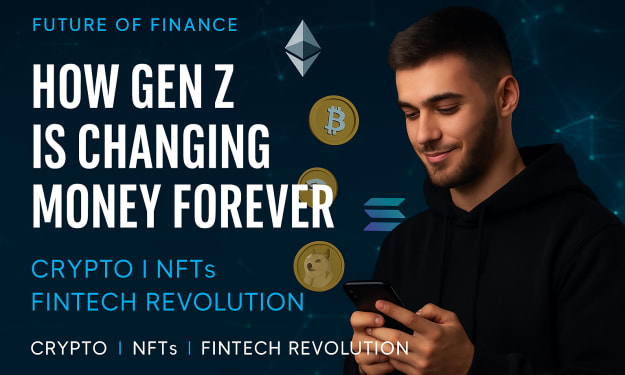
Cryptocurrency, NFTs, and Fintech Innovation: How Generation Z Is Shaping the Future of Money
📖 Introduction: Why Gen Z Matters in Finance In a world where technology evolves faster than ever before, Generation Z (Gen Z) — born between 1997 and 2012 — is setting the pace for how the future of money will look. Unlike previous generations who relied heavily on traditional banks and physical currency, Gen Z is embracing cryptocurrencies, NFTs, fintech platforms, and digital banking solutions with unmatched enthusiasm.
By DREAME DAZZLE YT9 months ago in 01
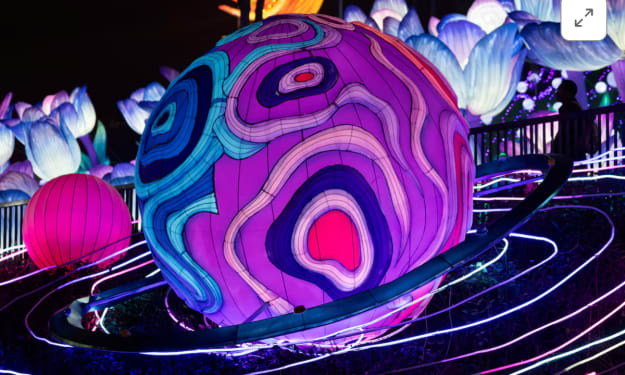
Chinese Lantern Festival Lights Up for Lunar New Year
Every year, communities around the world celebrate the Chinese Lantern Festival, marking the end of Lunar New Year festivities with a spectacular display of colors, lights, and cultural traditions. In 2026, the festival once again captivated crowds across China and in international cities, offering a mesmerizing combination of artistry, heritage, and modern spectacle.
By Muhammad Hassan4 days ago in Earth


Comments (1)
like and subscraibe and enjoy