
The effects of Global warming.
Global warming is one of the most pressing environmental issues facing our planet today.


Global warming refers to the long-term increase in Earth's average surface temperature due to human activities, particularly the burning of fossil fuels, deforestation, and industrial processes. This phenomenon has far-reaching consequences that affect ecosystems, weather patterns, sea levels, and human societies. Understanding the effects of global warming is crucial in addressing the challenges it presents and finding solutions to mitigate its impact.
Rising Temperatures
One of the most direct and measurable effects of global warming is the increase in global temperatures. According to scientific data, the Earth's average surface temperature has risen by about 1.2 degrees Celsius (2.2 degrees Fahrenheit) since the late 19th century. This rise in temperature is largely due to the accumulation of greenhouse gases, such as carbon dioxide (CO2) and methane (CH4), in the atmosphere. Higher temperatures contribute to more frequent and intense heatwaves, which can be dangerous to human health, particularly for vulnerable populations such as the elderly and children.
Melting Ice Caps and Rising Sea Levels
One of the most alarming consequences of global warming is the melting of polar ice caps and glaciers. The Arctic and Antarctic regions are experiencing significant ice loss, which contributes to rising sea levels. Additionally, the thermal expansion of seawater due to higher temperatures further exacerbates this problem. Rising sea levels pose a severe threat to coastal communities, leading to increased flooding, erosion, and displacement of populations. Low-lying islands and coastal cities, such as Miami, New York, and Jakarta, are particularly vulnerable to this effect.
Extreme Weather Events
Global warming is also linked to an increase in extreme weather events, such as hurricanes, typhoons, droughts, and wildfires. Warmer ocean temperatures provide more energy for hurricanes and typhoons, making them more intense and destructive. Droughts, on the other hand, are becoming more prolonged and severe in many regions, leading to water shortages and crop failures. Wildfires have become more frequent and intense due to hotter and drier conditions, causing destruction to forests, wildlife, and human settlements.
Impact on Biodiversity and Ecosystems
The effects of global warming extend to the natural world, threatening biodiversity and disrupting ecosystems. Many species are struggling to adapt to changing temperatures, and some face the risk of extinction. Coral reefs, for example, are highly sensitive to temperature changes, and warming oceans have led to widespread coral bleaching. Additionally, shifts in climate patterns affect migration and breeding cycles of animals, altering food chains and ecosystem balance. The loss of biodiversity has cascading effects on ecological stability and human livelihoods.
Agricultural Disruptions and Food Security
Agriculture is highly dependent on climate conditions, and global warming poses significant challenges to food production. Changes in temperature and precipitation patterns impact crop yields, leading to food shortages and higher prices. Droughts and floods can destroy harvests, while shifting weather conditions may force farmers to adopt new agricultural practices. Additionally, the spread of pests and diseases, which thrive in warmer conditions, threatens livestock and crop health. Food insecurity is a Growing concern, particularly in developing countries where resources to adapt are limited.
Human Health Risks
The health implications of global warming are profound. Rising temperatures and air pollution contribute to respiratory diseases, heat-related illnesses, and the spread of infectious diseases. Vector-borne diseases, such as malaria and dengue fever, are expanding their reach as warmer conditions create favorable environments for disease-carrying insects like mosquitoes. Furthermore, extreme weather events can lead to injuries, displacement, and mental health challenges. Vulnerable populations, including children, the elderly, and low-income communities, are disproportionately affected.
Economic Consequences
Global warming has significant economic implications, affecting industries, infrastructure, and livelihoods. Natural disasters linked to climate change cause billions of dollars in damages annually, straining economies and public resources. The agricultural sector faces productivity losses, while industries that rely on stable climate conditions, such as tourism and fisheries, experience disruptions. Insurance costs rise due to the increased frequency of climate-related disasters, putting financial pressure on businesses and individuals. Addressing climate change requires substantial investments in mitigation and adaptation strategies, such as renewable energy, sustainable agriculture, and resilient infrastructure.
Social and Political Impacts
The effects of global warming also extend to social and political spheres. Climate change has been a contributing factor to resource conflicts, as competition for water, arable land, and other essential resources intensifies. Climate-induced displacement is becoming a reality for many communities, leading to climate refugees who seek safer living conditions. Governments and international organizations face the challenge of coordinating climate policies and responses to mitigate the crisis. Cooperation and commitment to global agreements, such as the Paris Agreement, are essential in addressing this issue.
Mitigation and Adaptation Strategies
While the effects of global warming are severe, solutions exist to mitigate its impact and adapt to changing conditions. Reducing greenhouse gas emissions through the transition to renewable energy sources, such as solar and wind power, is a crucial step. Increasing energy efficiency, promoting sustainable transportation, and enhancing carbon capture technologies can further contribute to reducing emissions. Additionally, reforestation and conservation efforts help absorb CO2 from the atmosphere. Adaptation strategies, such as building resilient infrastructure, improving water management, and developing climate-smart agriculture, are essential in minimizing vulnerabilities.
Conclusion
Global warming is an urgent challenge that affects every aspect of life on Earth. Its consequences are far-reaching, impacting temperatures, weather patterns, sea levels, ecosystems, agriculture, human health, economies, and societies. Addressing this crisis requires a collective effort from individuals, businesses, and governments worldwide. By implementing mitigation and adaptation strategies, transitioning to sustainable practices, and raising awareness, we can work toward a more resilient and sustainable future. The time to act is now to protect our planet for future generations.
About the Creator
Badhan Sen
Myself Badhan, I am a professional writer.I like to share some stories with my friends.
Keep reading
More stories from Badhan Sen and writers in Earth and other communities.
How Vaccines work.
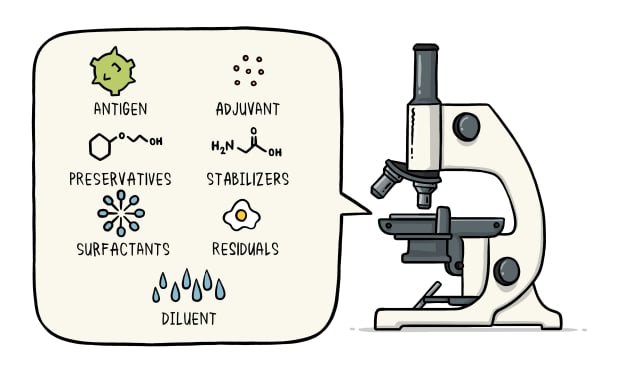
Vaccines work by stimulating the body's immune system to recognize and combat harmful pathogens without causing the actual disease. This process not only protects individuals but also contributes to herd immunity, reducing the spread of infections within communities.
By Badhan Sen12 months ago in Earth
Global Lawn Mowers Market Set for Strong Growth as Smart Landscaping Goes Mainstream (2025–2033)
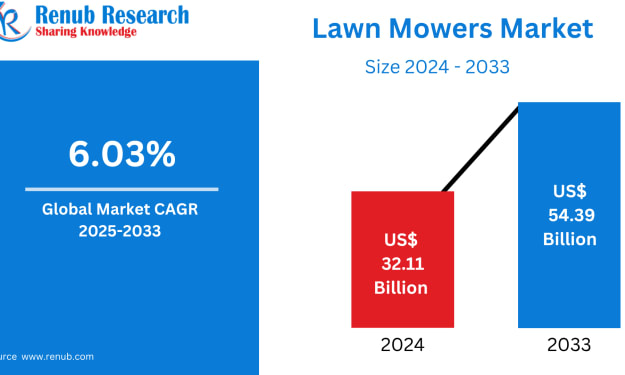
Global Lawn Mowers Market Size & Forecast 2025–2033 The Global Lawn Mowers Market is entering a transformative decade, reshaped by rapid urbanization, the rise of smart homes, and growing environmental awareness. According to Renub Research, the market is projected to grow from US$ 32.11 billion in 2024 to US$ 54.39 billion by 2033, expanding at a CAGR of 6.03% from 2025 to 2033.
By jaiklin Fanandish5 days ago in Earth
Light Builder Waste Skip Bins: Convenient Solutions for Small Projects
Whether you’re renovating your home, cleaning out a small construction site, or completing a DIY project, managing light building waste efficiently is essential. Light builder waste skip bins provide an easy, safe, and environmentally friendly way to dispose of debris without hassle. In this blog, we’ll explore the benefits of light builder waste skip bins, how to choose the right size, and tips for using them effectively.
By Sydney Skip Bins2 days ago in Earth
The Path to Salvation
The late autumn evening air filled the monk's lungs, but it wasn't the season that chilled his bones. The heavy-handed presence of evil he had sensed upon entering the woods surrounding this mountain village had not bothered to conceal itself from him.
By Made in DNA2 days ago in Fiction


Comments (2)
Hello, just wanna let you know that if we use AI, then we have to choose the AI-Generated tag before publishing 😊
It’s good to encourage people to lessen their impact so we don’t have global warming! Great work! Good job